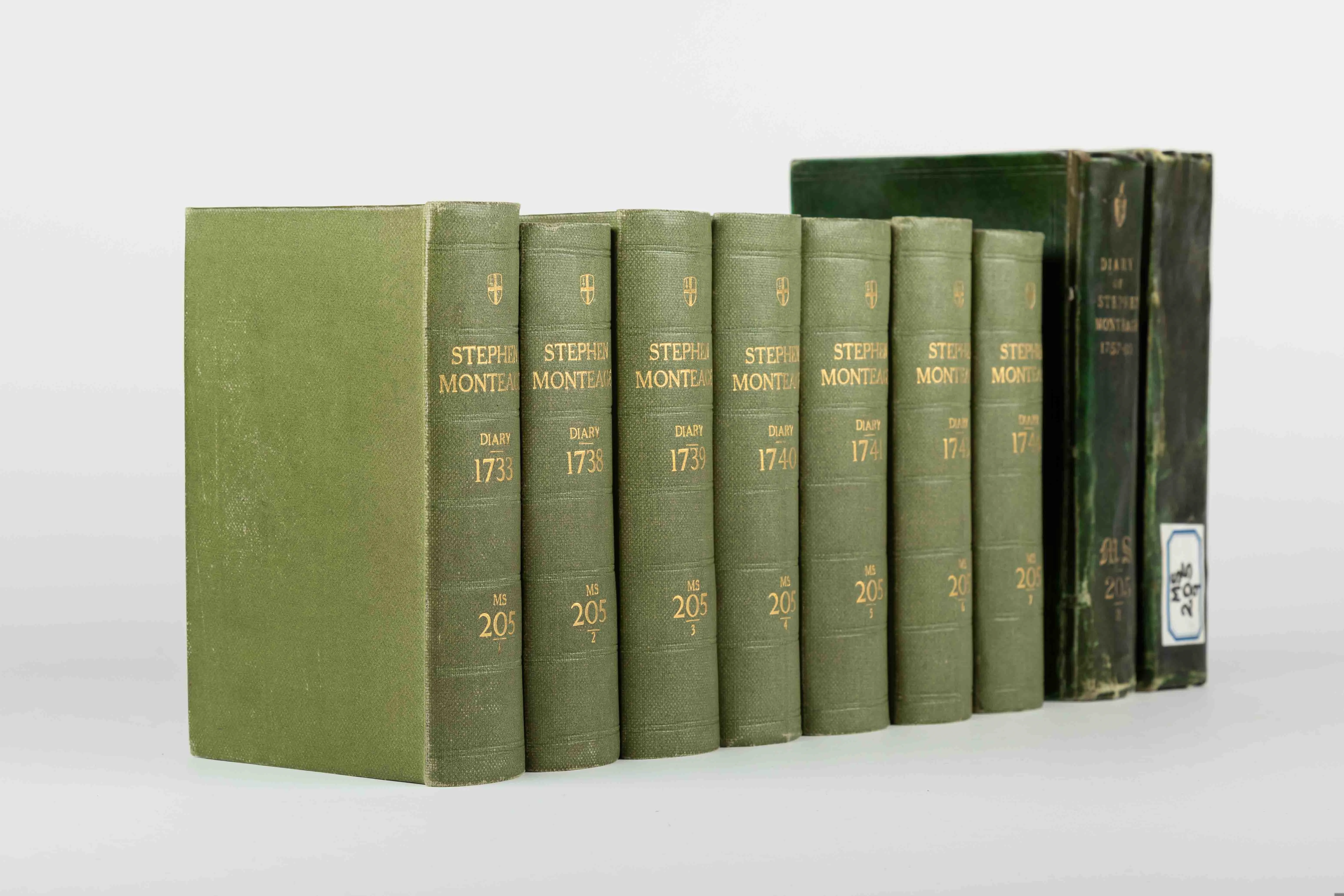
Stephen Monteage Diaries
The daily life and times of Stephen Monteage - father and son in the City of London 1733-1764. Part 1
Mark Arnold, Archives Officer at TLA, writes here about his research into the content of the diaries created by Stephen Monteage senior (1681-1754)
Introducing...
One of the joys of working at TLA is often by coincidence or providence coming across a little-known collection and through further research being able to re-assess and reveal some of its insights. The collection originally called the Stephen Monteage Diaries consists of nine volumes of diaries (reference: CLC/479/MS00205). These were purchased by Guildhall Library in 1895 and transferred to TLA in 2009. Mark Arnold has discovered they are written by a father and son with the same name.
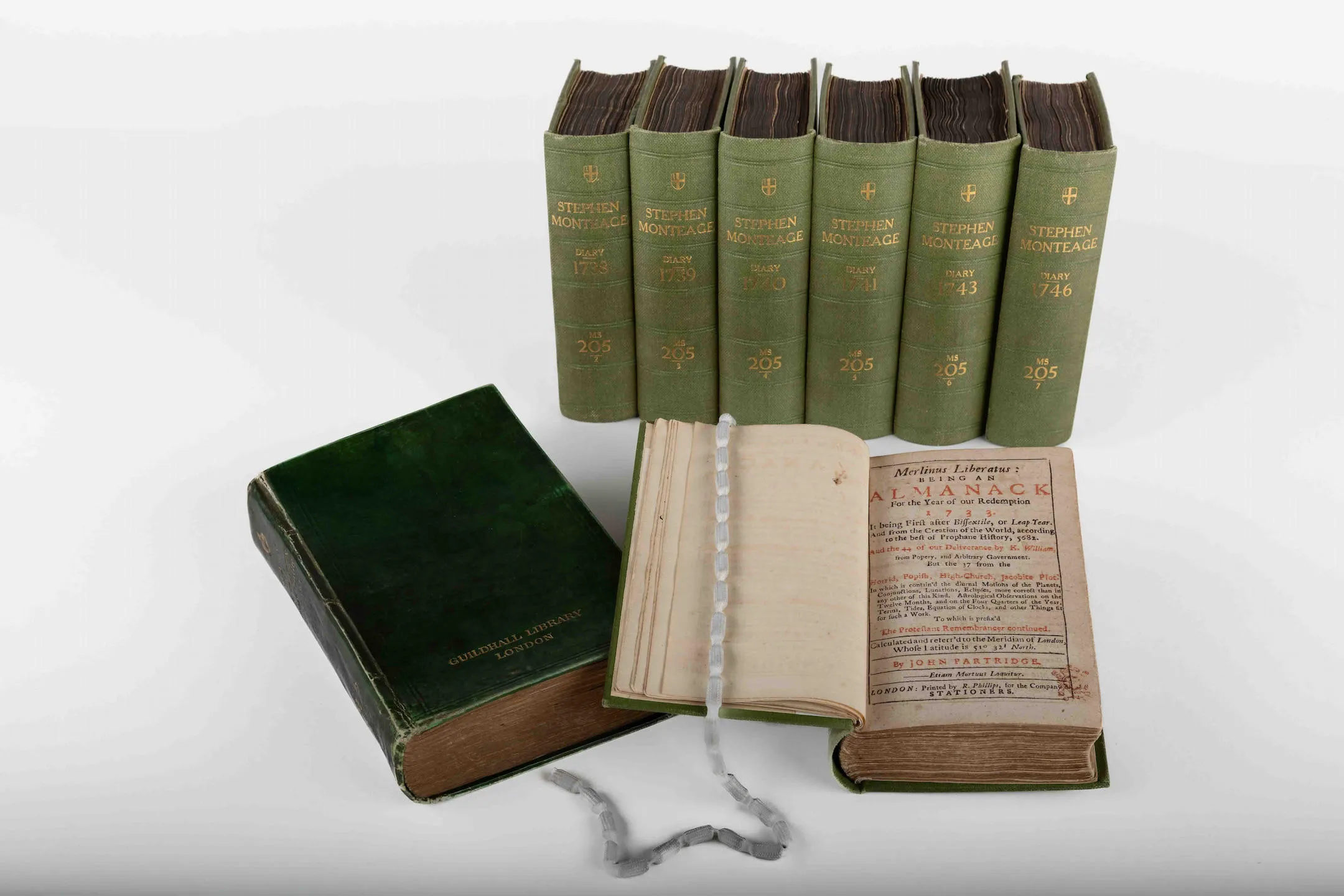
There are gaps between the diaries we hold, so there might even be more diaries out there!
Stephen Monteage Senior
The first seven volumes are by Stephen Monteage Senior (written between 1733-174) who has a strong clear hand and you get a sense of someone quite meticulous, which seems to be a character trait in the family of accountants, agents and amongst the earliest employees of the Bank of England. As it was said of his famous grandfather, another Stephen Monteage (1632-1708) 'as zealous in small matters as in large' - this was the Stephen Monteage who popularised the use of double entry book-keeping by publishing a book on the subject.
While the diaries are not Pepys-like with gossip, enmities and narrative, the Monteage diaries are succinct, objective recordings of daily events personal and national, with little emotion or inner thoughts. This Stephen Monteage (1681-1754) never mentions his wife Ann by name once. He was a stock accountant to The York Buildings Company, later noted as 'proprietor', and worked at Customs & Excise House. His diaries begin with monthly expenses, business transactions and meetings, but also most notably two subjects a daily record of the weather and meals and types of food eaten, often mentioning if it was the first of the season, be it asparagus or oysters:
The weather continues so very cold that this Day the ink was frozen in my Pen as I was writing.
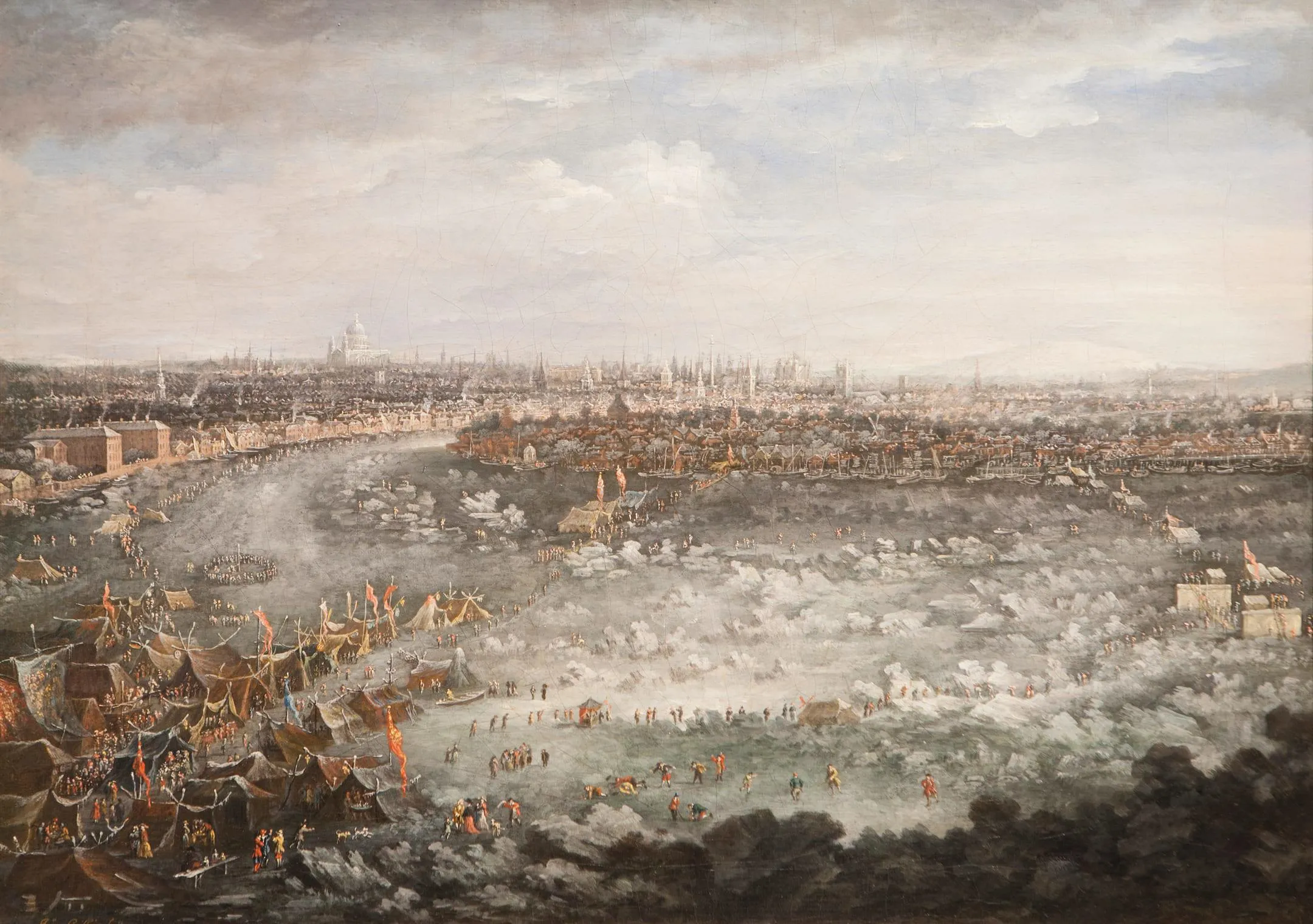
St James' Day, on which begins the cry of Oysters, for the Winter Season.
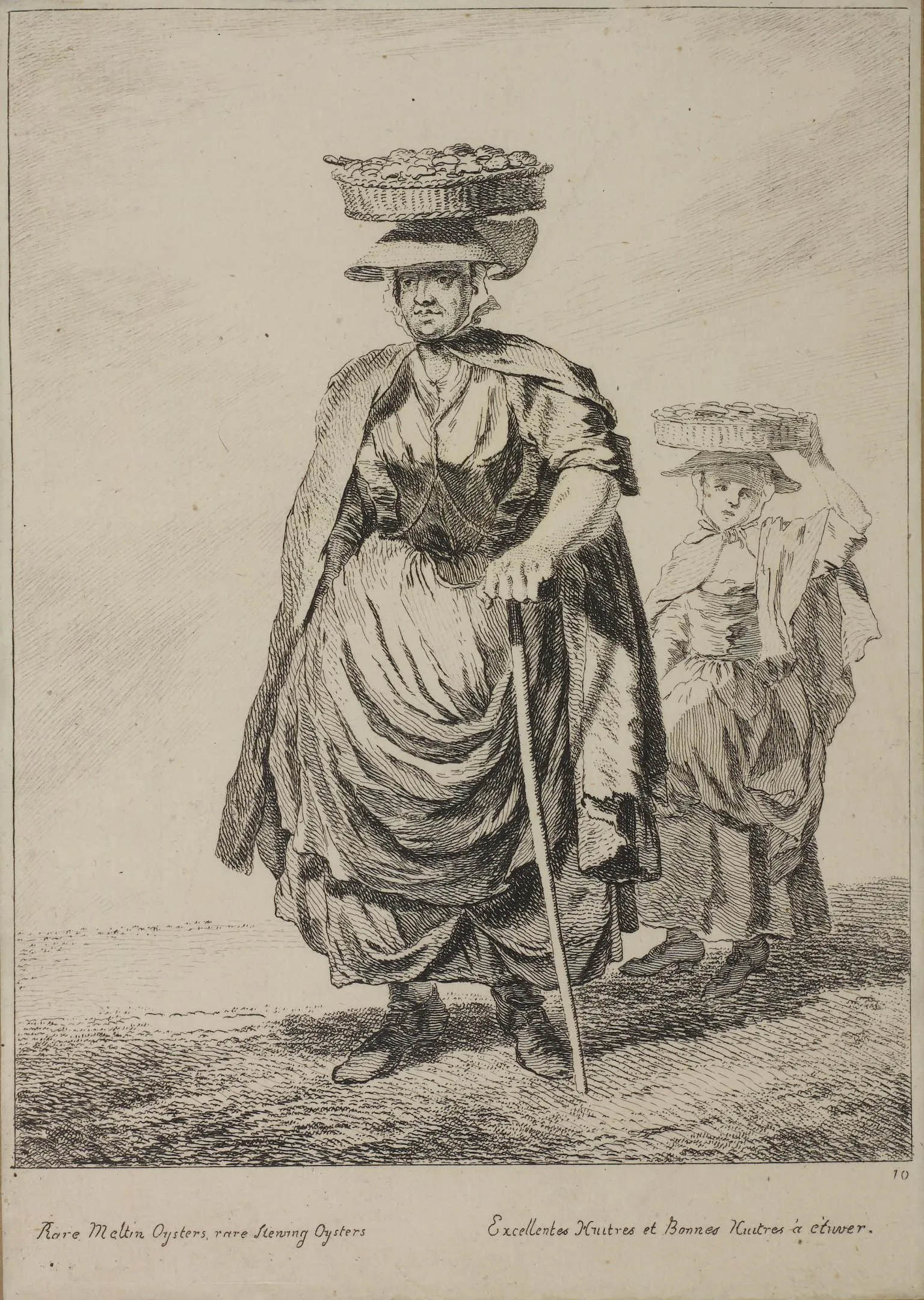
Everyday details of ordinary life in London
These are small everyday details of the ordinary life of a person who appears hardly ever to leave London. While Stephen records local, national and overseas events, he also focuses on the ringing of the City bells, City appointments and the anniversaries of births, marriages, deaths and burials of his own family and of famous individuals.
The diaries are an indexer's dream as he names everyone he meets regularly, giving their occupation, be it Mr Hart the Barber, Mrs Hood and the Milliner or Mrs Everton the milkwoman, who in May 1740 'came with her garland and danced as usual'.
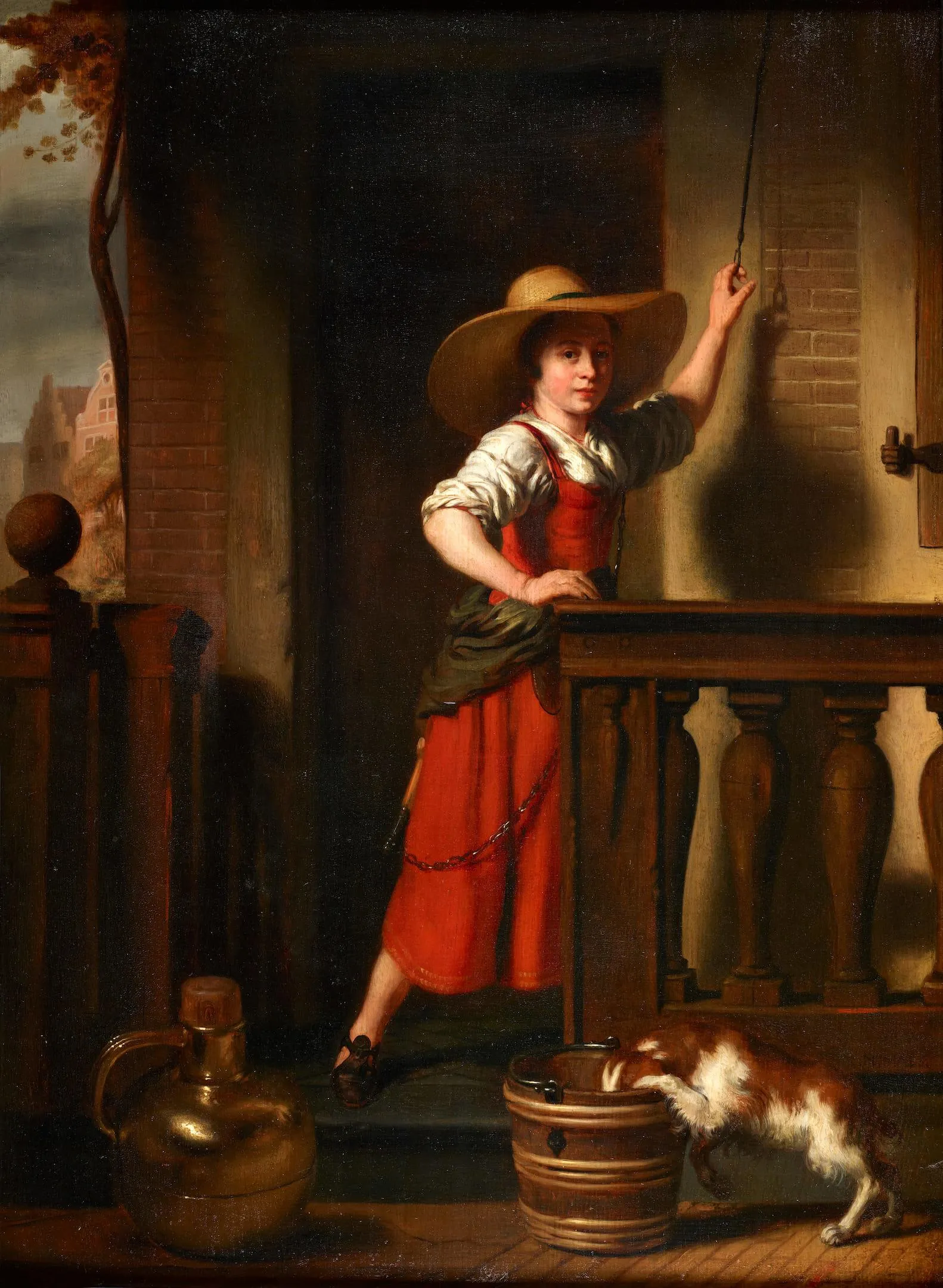
The diaries also reveal social and family networks, from the patronage of his cousin the diplomatist and courtier Stephen Poyntz (1685 - 1750) and brother William Poyntz, to poor relatives reliant on him like cousins John Scobell and Hester Holland.
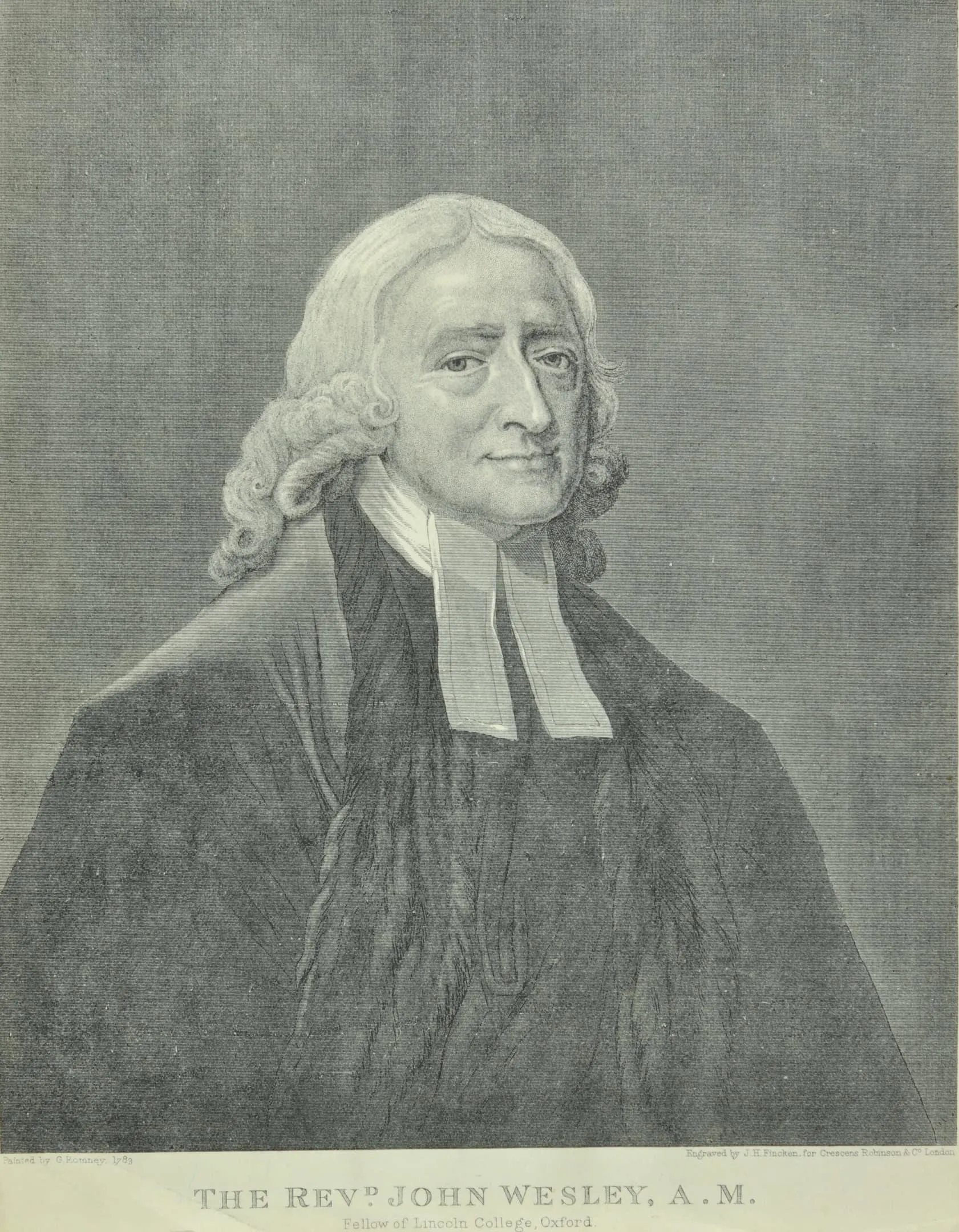
The diary entries include visiting theatre productions, pubs, churches and listening to preachers, notably John Wesley (1703-1791) and George Whitefield (1714-1770) frequently, he even includes the sermon text.
The early volumes also contain printed almanacks, along with receipts (or recipes) for the cholic, palsy or for any nervous distemper; poems and journal extracts from notable persons, even a cure for the bite of a mad dog!
Explore the collection