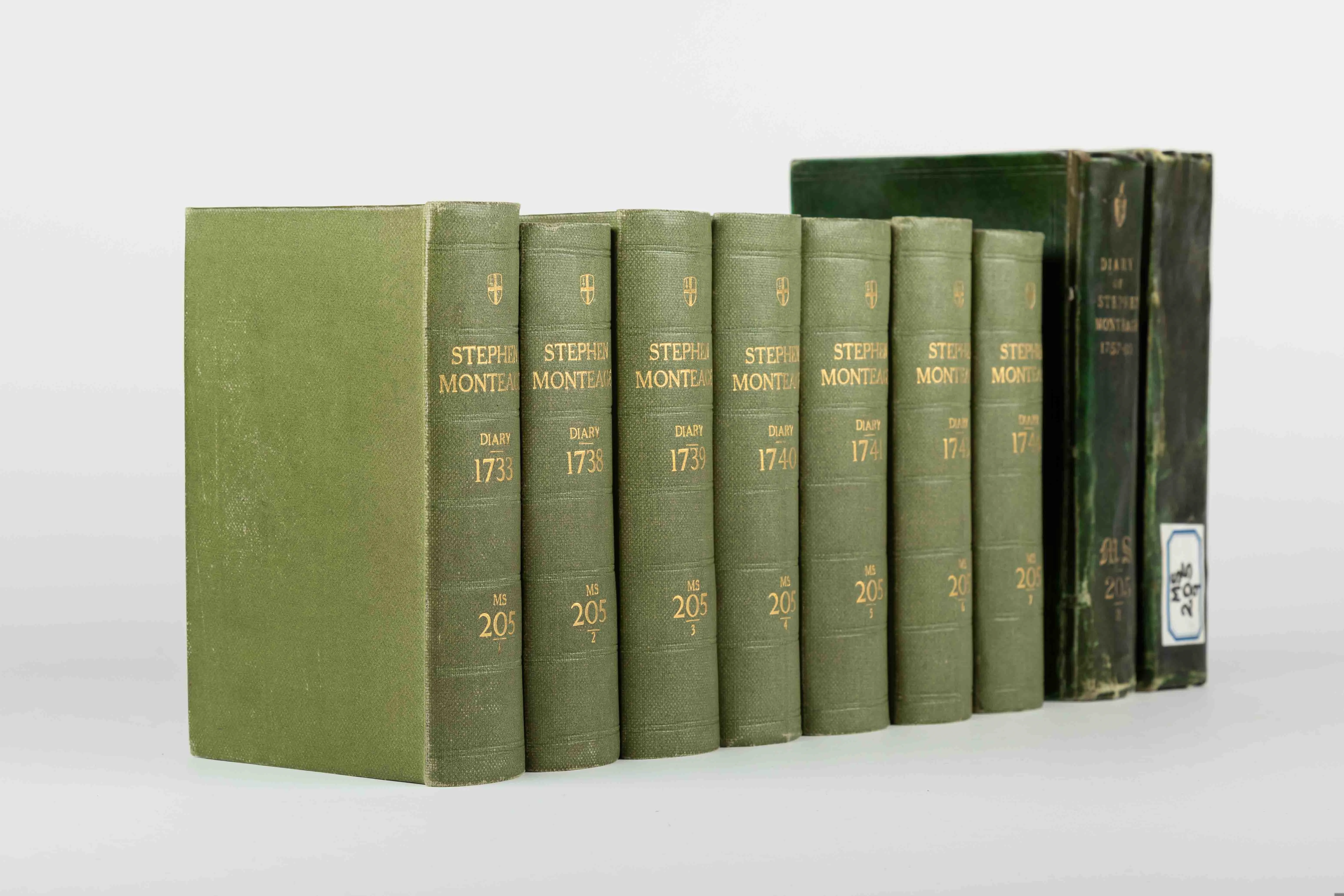
The diaries of Stephen Monteage (Junior)
The daily life & times of Stephen Monteage junior – in the City of London. Part 2
Mark Arnold, Archives Officer at TLA, writes here about his research into the content of the diaries (reference: CLC/479/MS00205) created by Stephen Monteage junior (1710 - 1767)
Stephen Monteage junior
Stephen Monteage, junior, was the only child of Stephen & Ann Monteage born on 21 June 1710 in the parish of St Giles Cripplegate (vol.2, p126). He followed his father’s occupation at the Excise Office, Custom House and at the York Buildings Company. The diaries written by him are the last two volumes (8 & 9) in the collection covering the period 1757 – 1764 marking an eleven year gap from the previous diary and subsequent death of his father in September 1754.
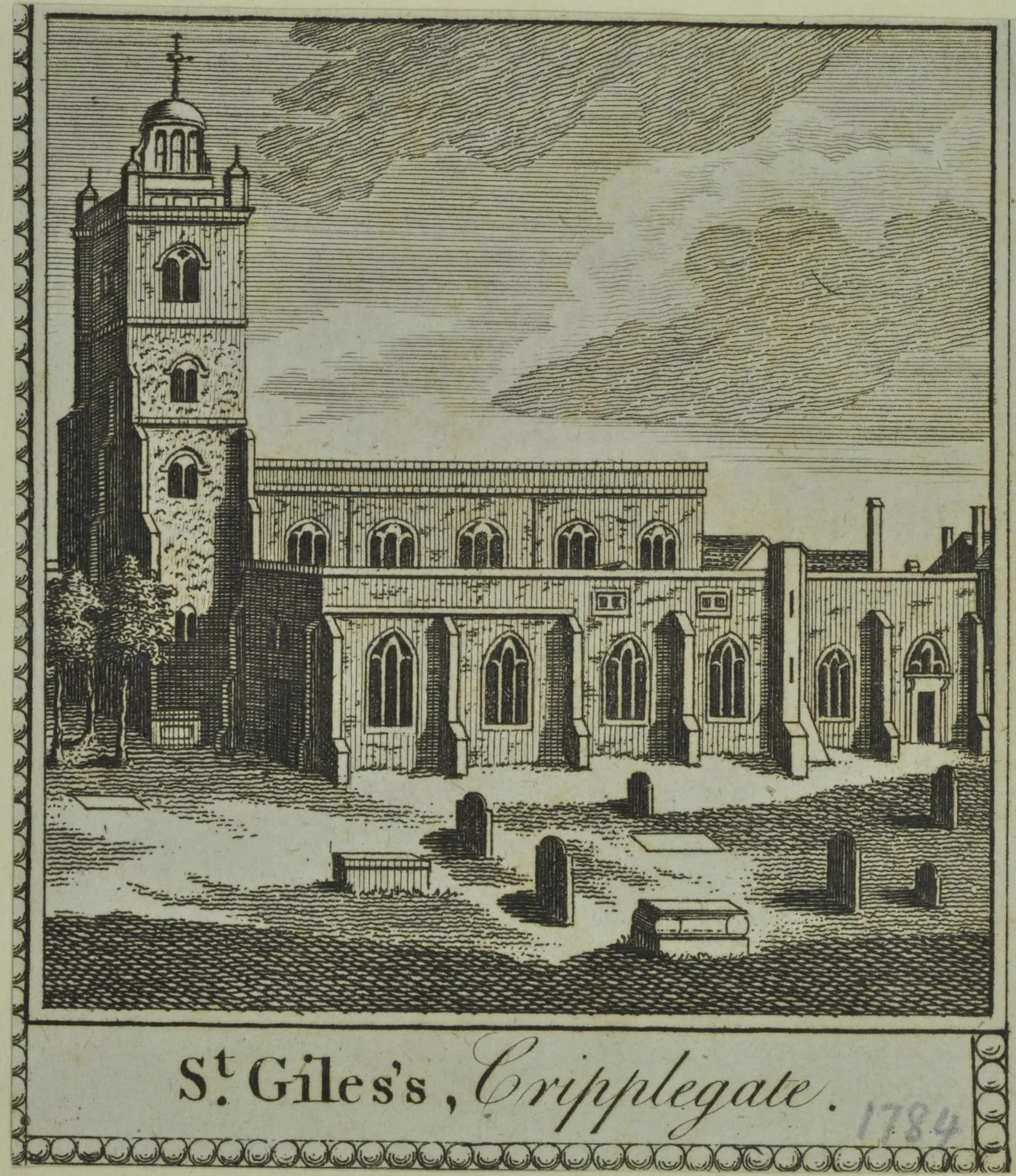
Not as detailed as his father
Stephen Monteage junior resided at Red Cross Street c.1757. His diaries have a more free hand than his father and regrettably not as detailed, clear or precise. Neither does he share his father’s obsession in recording the weather or food consumption.
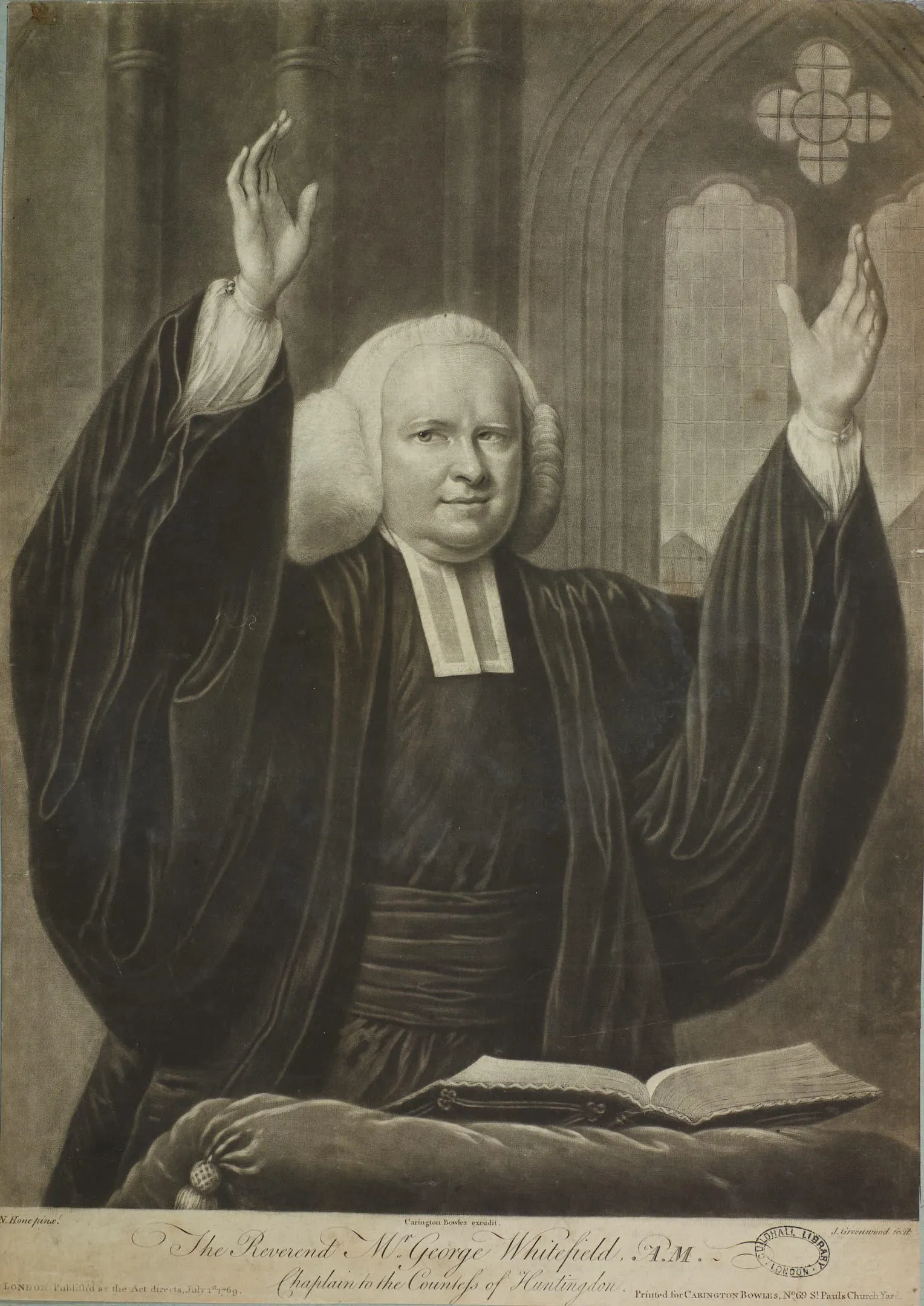
However, like his father he enjoys a good sermon in his parish church but also listening to notable preachers such as John Wesley and George Whitefield.
Visits to the theatre
While he mentions attendance at the Office and daily business, Stephen’s leisure time is spent frequenting pubs, coffee houses and has a keen interest in the theatre and music, mentioning productions, oratorios and cast members.
Notably in his theatre visits are the works of the most successful female playwrights and actors of the eighteenth century in England, such as Susanna Centlivre (born Susanna Freeman), also known as Susanna Caroll (1669-1723) she became known as the second woman of the English stage, after Aphra Behn.
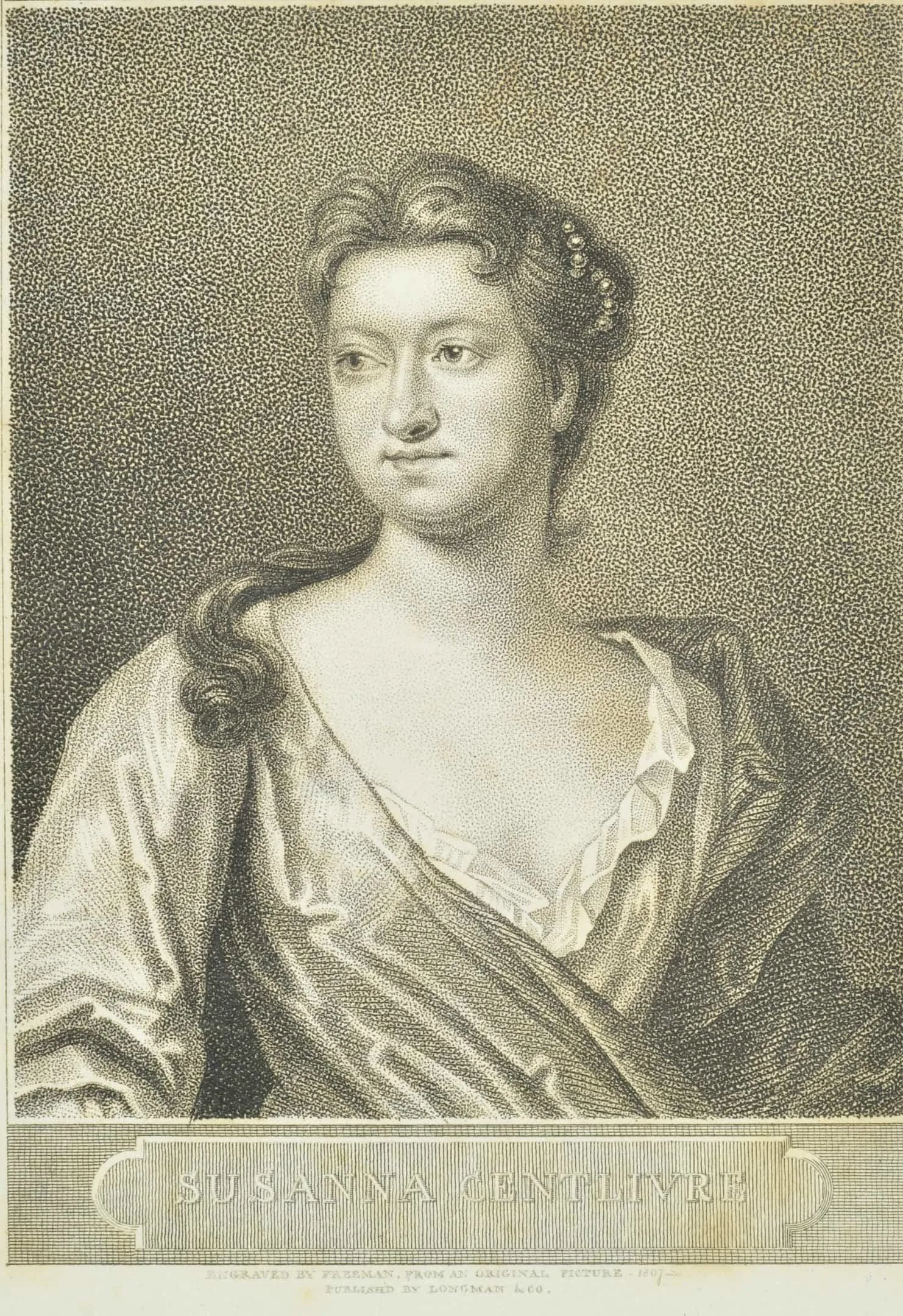
Went to Covent Garden and saw ‘A Bold Stroke for a Wife’
'A Bold Stroke for a Wife' was an eighteenth-century satirical English play first performed in 1718 and written by Susanna Centlivre. The plot expresses the author's unabashed support of the British Whig Party: she criticises the Tories, religious hypocrisy, and the greed of capitalism.
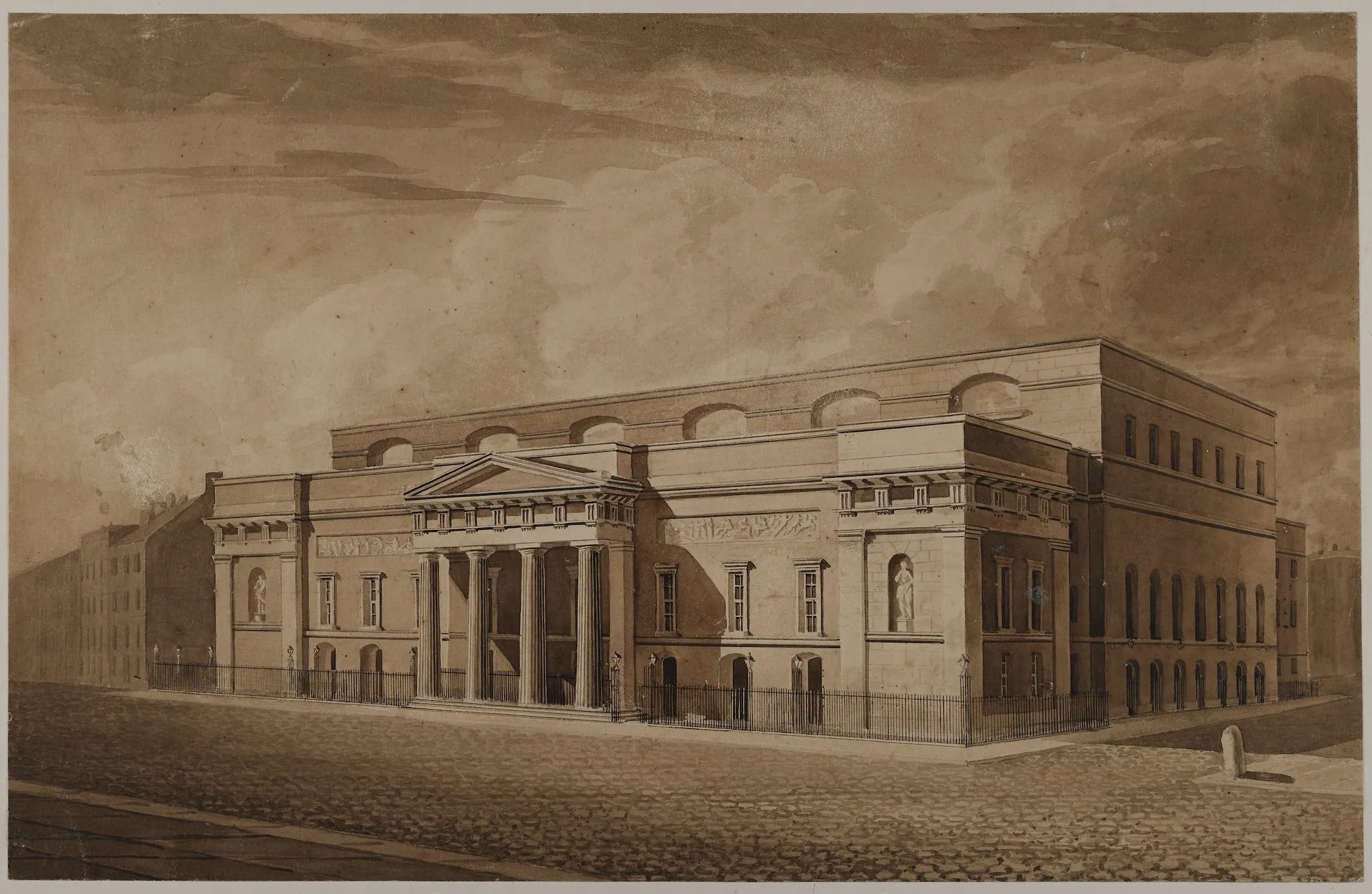
Smallpox inoculation
Amongst the entries in his diary is an early reference to someone receiving a small pox inoculation. Smallpox, was a serious, infectious, and disfiguring disease, calculated to have killed some 400,000 people every year, and one third of those who survived went blind. The symptoms were horrendous: pus-filled skin lesions would form, eventually drying out, dropping off, and leaving deep, pitted scars, which led to smallpox becoming affectionately known as the 'speckled monster' in eighteenth- century England.
After Dinner call’d on Samuel Marriot who has been inoculated at his lodgings at a pastry cooks near Newgate.
Endings
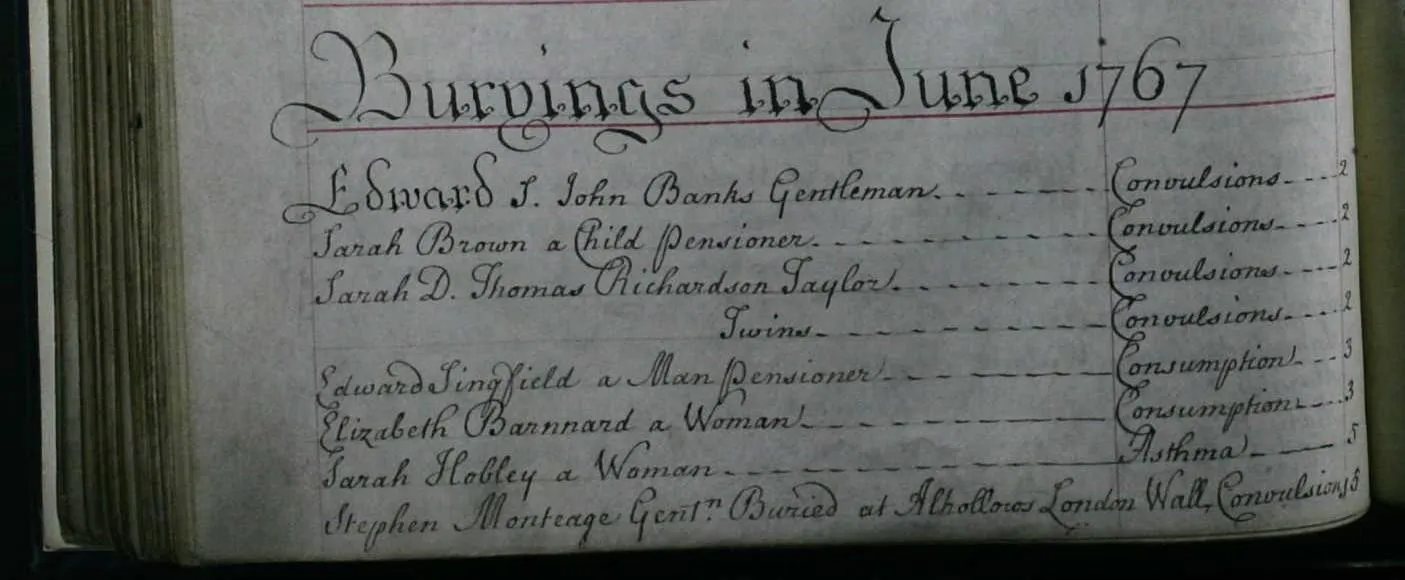
The last date of his last diary entry is 24 May 1764. Three years later we discover in the register of St Giles Cripplegate that he died of convulsions and was buried at All Hallows London Wall on 5 June 1767.