

Oscar Wilde's Life in London
Early Life and Education
Born on October 16, 1855, in Dublin, Ireland into an influential family, Wilde was home-schooled until the age of nine, by German and French governesses. He later attended Portora Royal School, Enniskillen, where he excelled academically, whilst also beginning to show signs of dandyism through his keen interest in attire and appearance.
Earning a scholarship to attend Trinity College Dublin in 1871, Wilde began to establish himself as an excellent classic scholar. His first published poems appeared in the student magazine ‘Kottabos’ in the Dublin University Magazine. 1874 saw Wilde attend Magdalen College, Oxford, where he studied “Greats”. It is here that it is believed Wilde became heavily influenced by The Aesthetic Movement, which was beginning to receive widespread interest within the upper classes of Victorian society.
Wilde in London
Moving to London in 1878, Wilde began to establish himself as a self-proclaimed apostle for The Aesthetic Movement. Centred on the principle of ‘Art for Art’s sake’, The Aesthetic Movement rejected Victorian industrial values and instead celebrated beauty, pleasure, and artistic expression. In his transgressive novel 'The Picture of Dorian Gray', Wilde famously states in the preface:
There is no such thing as a moral or an immoral book. Books are well written or badly written. That is all
Perhaps suggesting that art and literature exist to be observed, as opposed to being subjected to moral interpretation. Interestingly, however, Wilde's famous novel, rich in symbolism and ideas of moral decay, actively challenges this movement, suggesting a more conflicted attitude towards the notion of ‘Art for Art’s sake’.
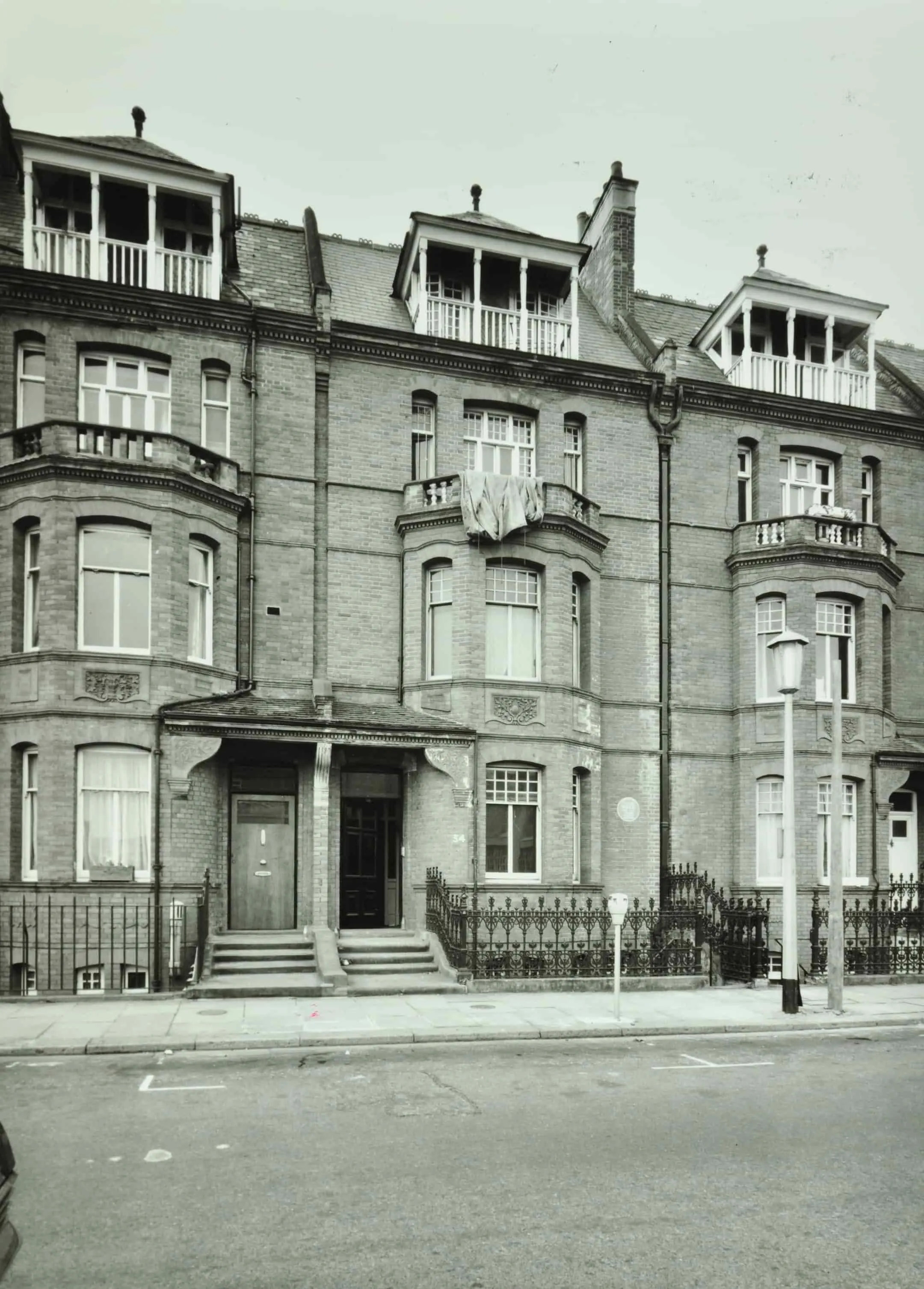
Fashion and Self-Fashioning
Wilde was said to have embodied The Aesthetic Movement not only through his plays, poems and novel, but also in his fashion and carefully cultivated dandyism. Using fashion as an artistic form of self-expression, Wilde was known for his flamboyance and elaborate sense of style.
Challenging stereotypical male fashion conventions of the time, Wilde was frequently observed in knee breeches, stockings and velvet or silks in deep and muted shades of olive and violet.
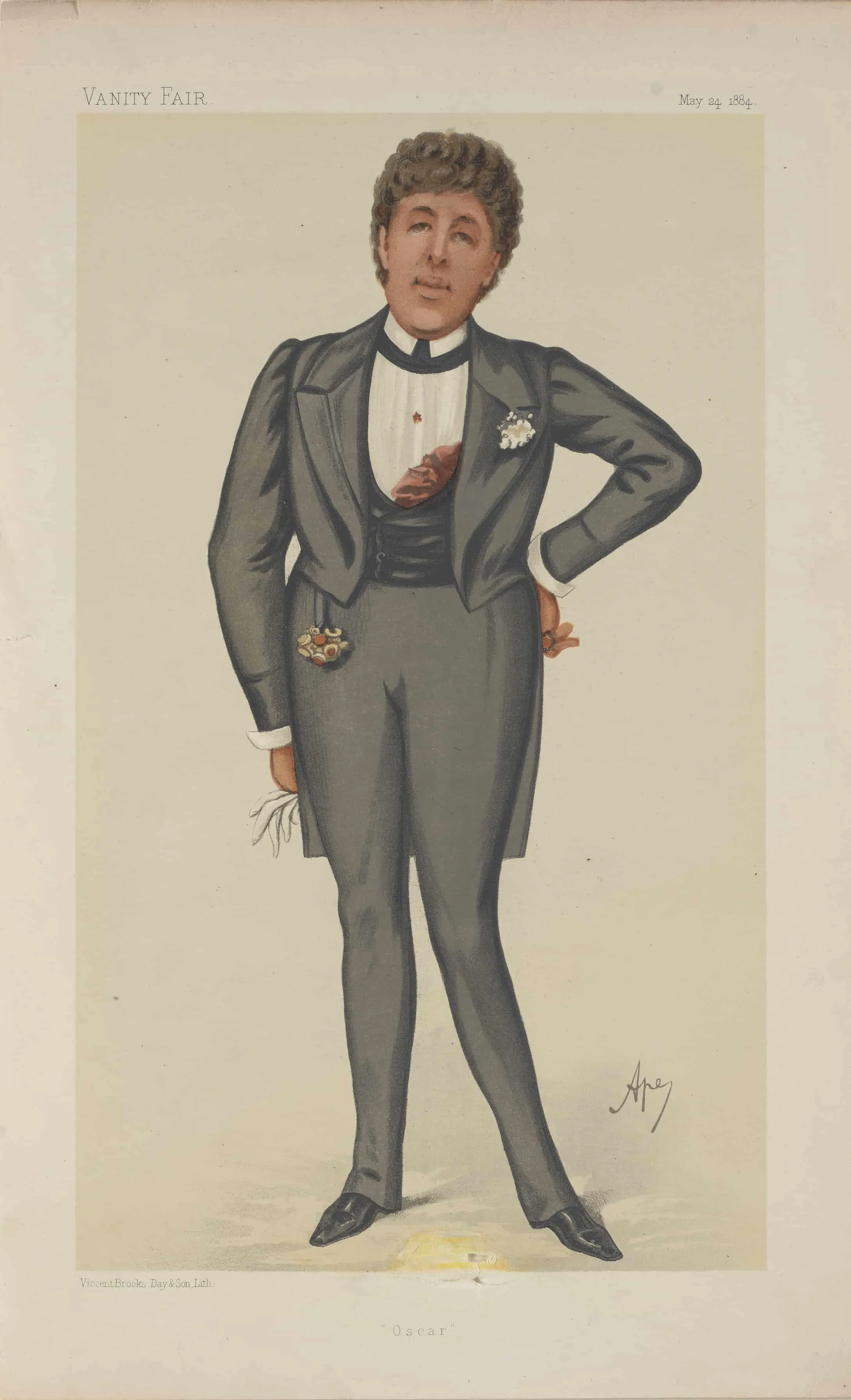
Shopping at stores like Liberty’s, James Lock and Co (hatters) and Floris London (fragrances), Wilde had a keen eye for fashion in London.
Liberty is the chosen resort of the artistic shopper
Amongst our collections we hold a “Bad Debt Balance Book” from James Lock and Co, which identifies that both Wilde and Lord Alfred Douglas, shopped at the hatters and accrued debts here. Documents like this provide valuable insight into the everyday life of historic figures, as well as being open to personal interpretation.
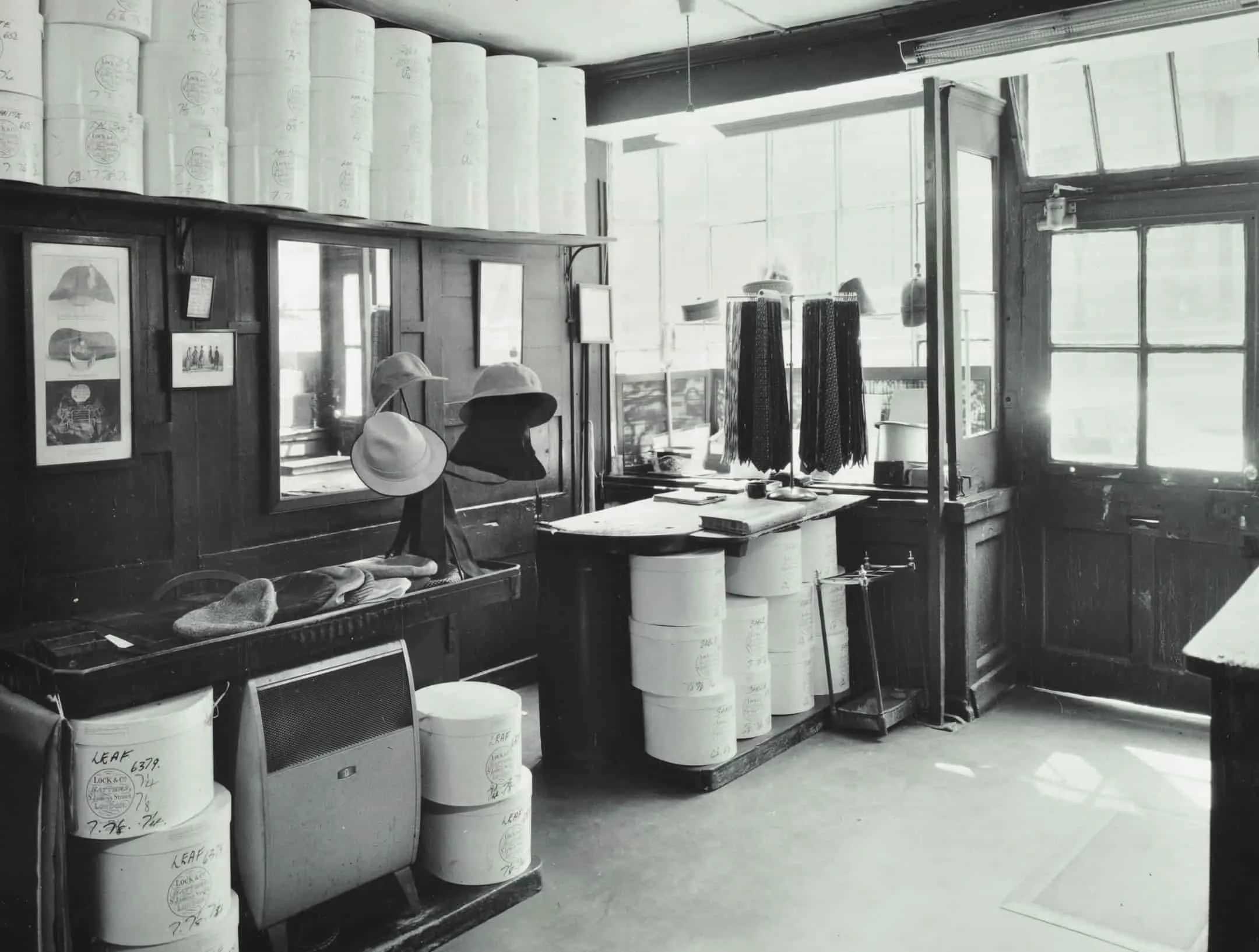
Through his unconventional dress, Wilde came to personify the ideals of Aestheticism. However, following Wilde’s trials at the time, The Aesthetic Movement was said to have declined in popularity, as the movement became associated with “gross indecency” and corruption.
Sexuality, Trials and Public Reputation
On 29 May 1884 Wilde married Constance Lloyd in St James Church, London. The couple later went on to have two sons Cyril and Vyvyan. However, what followed in the years following the marriage, altered both Wilde’s personal life and public reputation, as scandals involving sexuality confirmed the writer’s conflict with Victorian ideologies and expectations.
Despite never openly identifying as homosexual, likely due to laws such as the Criminal Law Amendment Act 1885, many contemporaries believed that through his work, like the controversial 'The Picture of Dorian Gray', Wilde alluded to suppressed desires and thoughts.
Due to the novel’s homoerotic subtext, as well as themes of moral decay and corruption, prosecutors used the book as evidence against Wilde in his trials. Some biographers suggest that Robert Ross, a close friend and later literary executor of Wilde, may have been Wilde's first male lover in 1886.
However, the most notorious controversy surrounding Wilde's personal life concerned his relationship with Lord Alfred "Bosie" Douglas, whom he met in 1891. The pair’s relationship became central to the trials that ultimately led to Wilde’s imprisonment in 1895. Bosie’s father, John Sholto Douglas, left a card on the front desk at the Albemarle Club in London.
For Oscar Wilde posing Sodomite
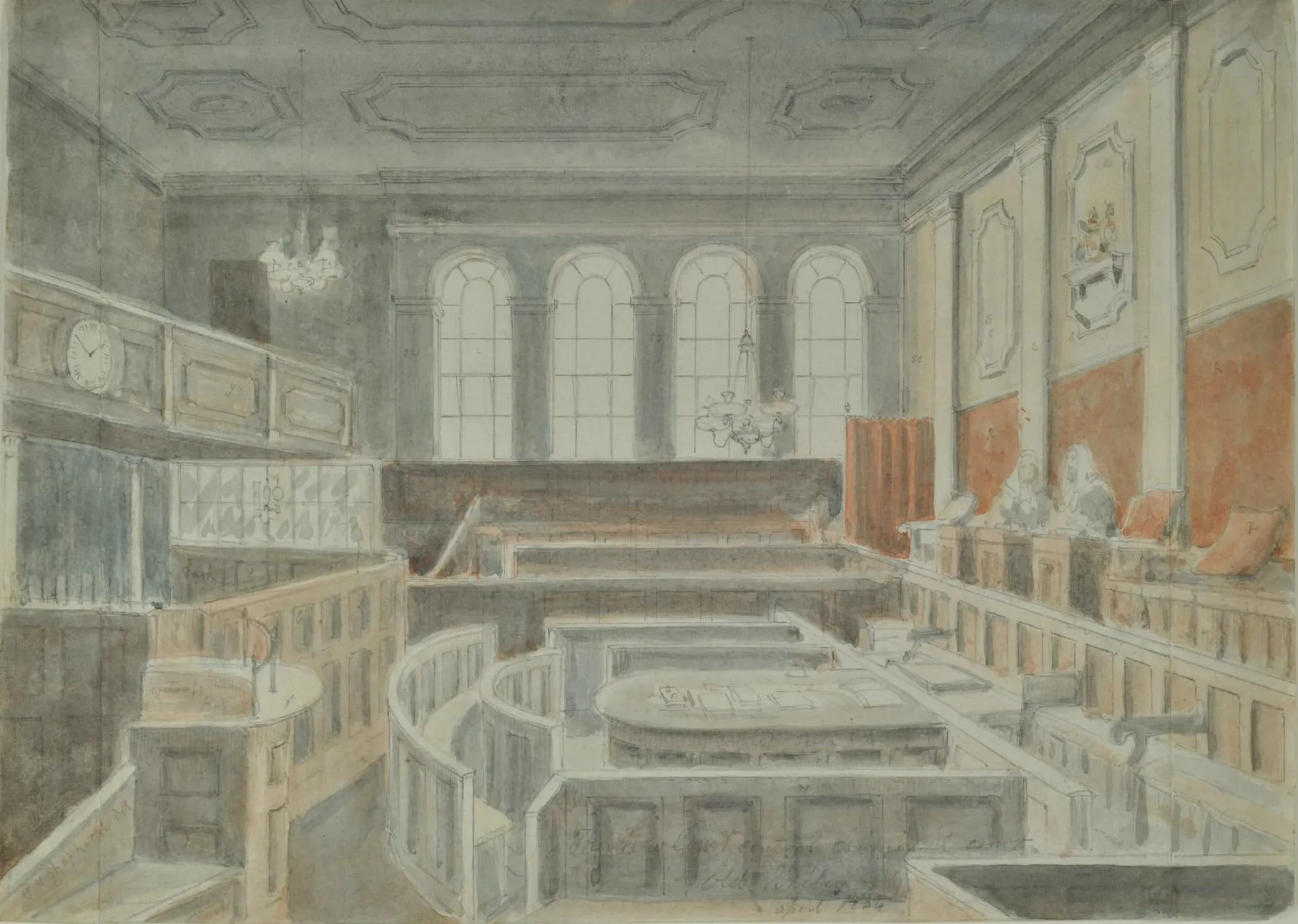
With encouragement from Bosie, Wilde eventually sued for libel, leading to his own arrest at The Cadogan Hotel and imprisonment in 1895, and eventually The Three Trials of Oscar Wilde .
Legacy in London
Despite the controversy surrounding Wilde in the nineteenth century, modern London reflects on the literary figure in a contemporary way. Throughout the capital, celebrations of Wilde’s legacy and literary influence can be observed.
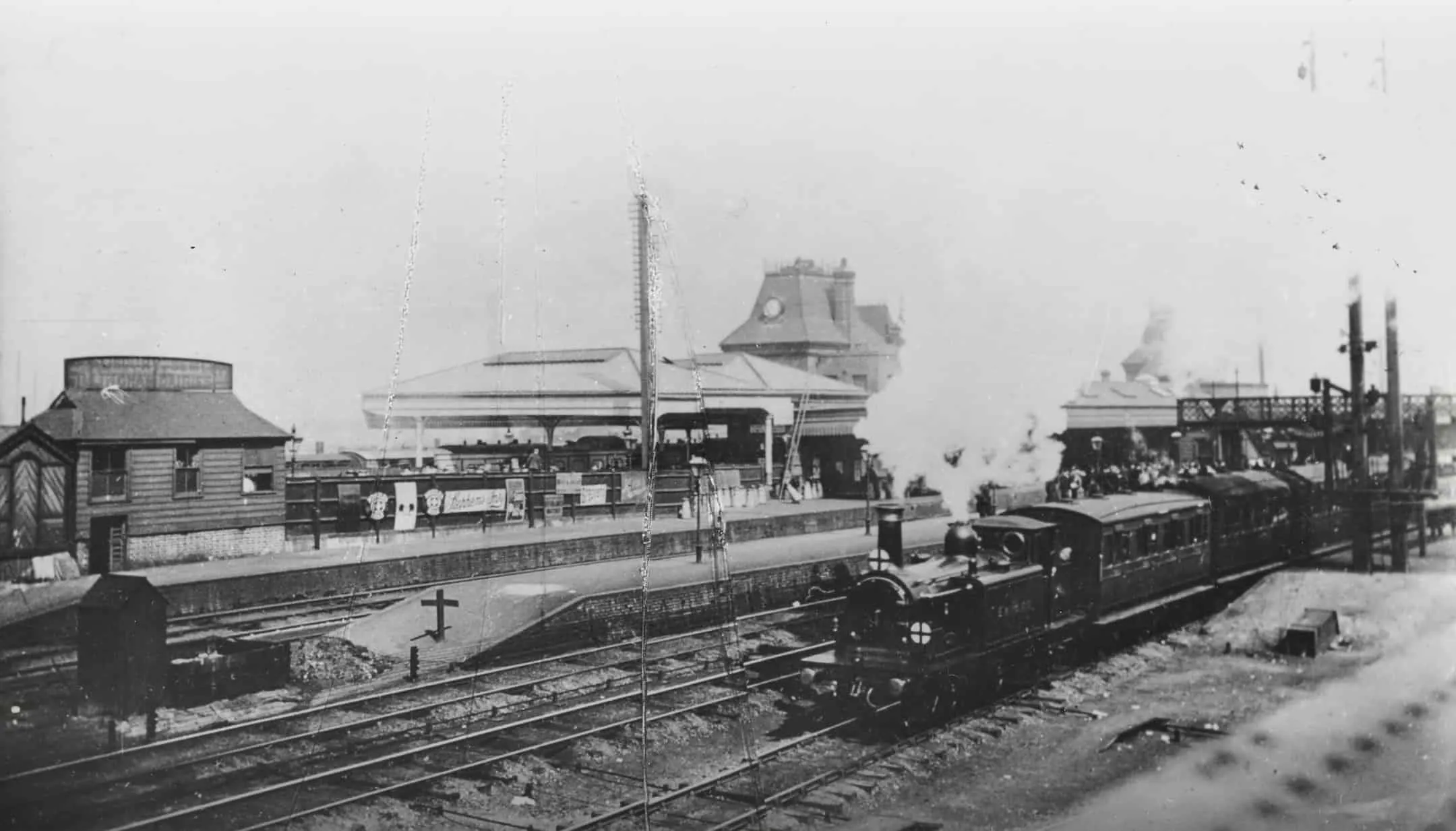
Notably, a blue plaque can be found outside of Wilde’s first London home on Tite Street. Clapham Junction also honours Wilde’s endurance of homophobic abuse at the station during his transfer from Wandsworth Prison to Reading Gaol in 1895, with a blue plaque.
1998 saw the unveiling of a unique public structure, 'A Conversation with Oscar Wilde' in Adelaide Street, by Maggi Hambling honouring the literary figure. Taking the form of a tomblike structure, with a bronze head of Wilde at one end, and the infamous Oscar Wilde quote inscribed at the other.
We are all in the gutter, but some of us are looking at the stars
Explore Londoners on Trial
Our free exhibition explores the history of law and order in London, uncovering the stories of London’s criminals, victims and law enforcers from the medieval period to modern times. Drawing on our extensive archives, it examines how the growing city was governed and Londoners’ enduring fascination with true crime.
Through cases involving figures such as Moll Cutpurse, Dick Turpin, Jack Sheppard, Oscar Wilde, and Sylvia Pankhurst, the exhibition reveals how historical records can illuminate lives, homes and the streets of London’s past.
Find out about the exhibitionIncluded in our exhibition is Oscar Wilde's original prison register from Wandsworth prison, why not come and view the document for yourself? Click below to find out more and book onto one of our curator led tours.
Book a curator-led tour