

The Three Trials of Oscar Wilde
On 18 February 1895, Sidney Wright, porter at London’s exclusive Albermarle Club, was handed a note by an eminent gentleman, the contents of which set in motion a series of events with far reaching consequences. The man was John Sholto Douglas, the Marquess of Queensberry; and his note was addressed to writer, poet and club member, Oscar Wilde.
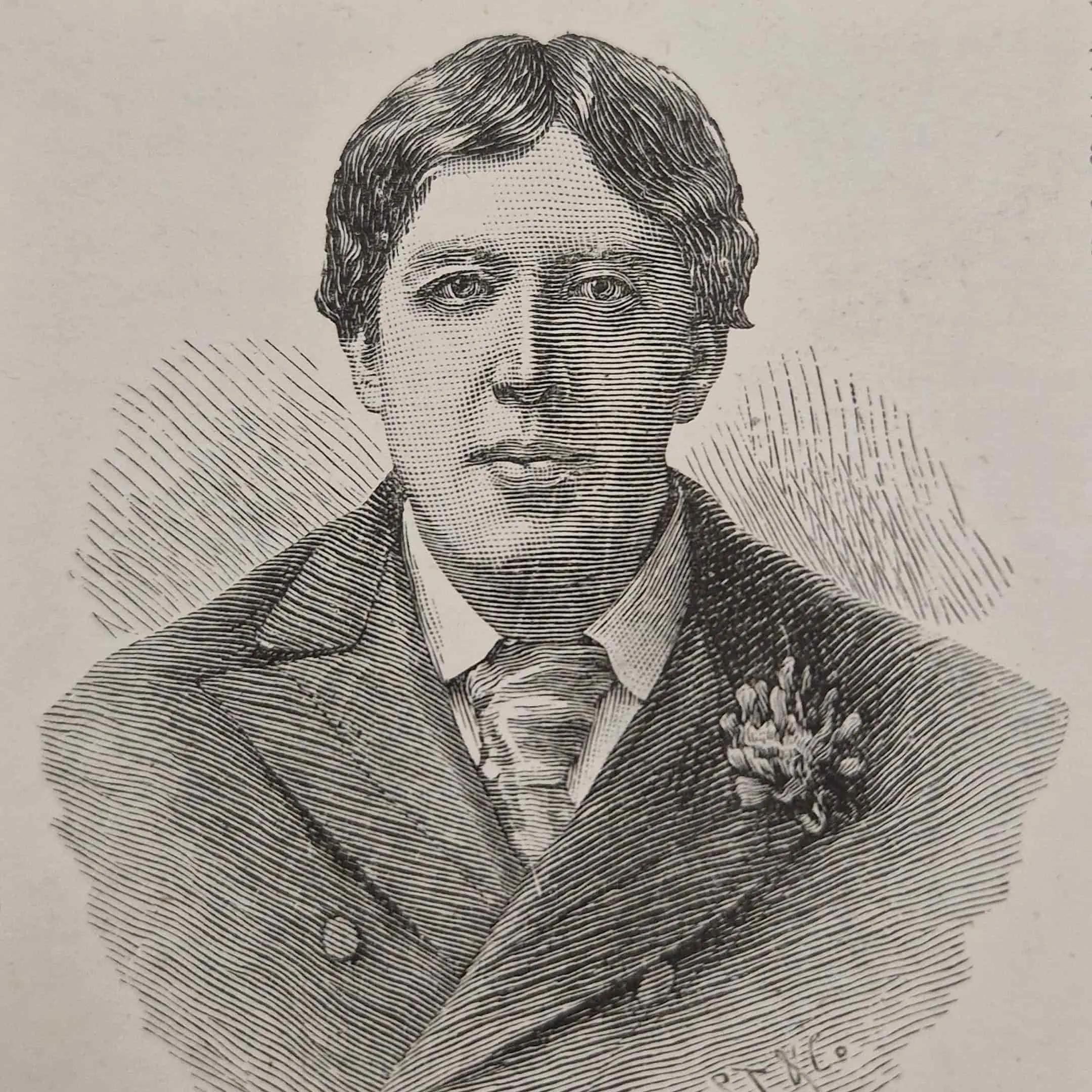
In it, Queensberry accused Wilde of sodomy. It was the culmination of months of public harassment, the result of Queensberry’s disapproval of Wilde’s relationship with his son Lord Alfred Douglas, who Wilde had met in 1891.
Wilde was incensed by the note. Ignoring legal counsel and the advice of friends (but supported by Douglas), he resolved to prosecute Queensberry for criminal libel in the courts. The stage was set for a public spectacle which ended in tragedy.
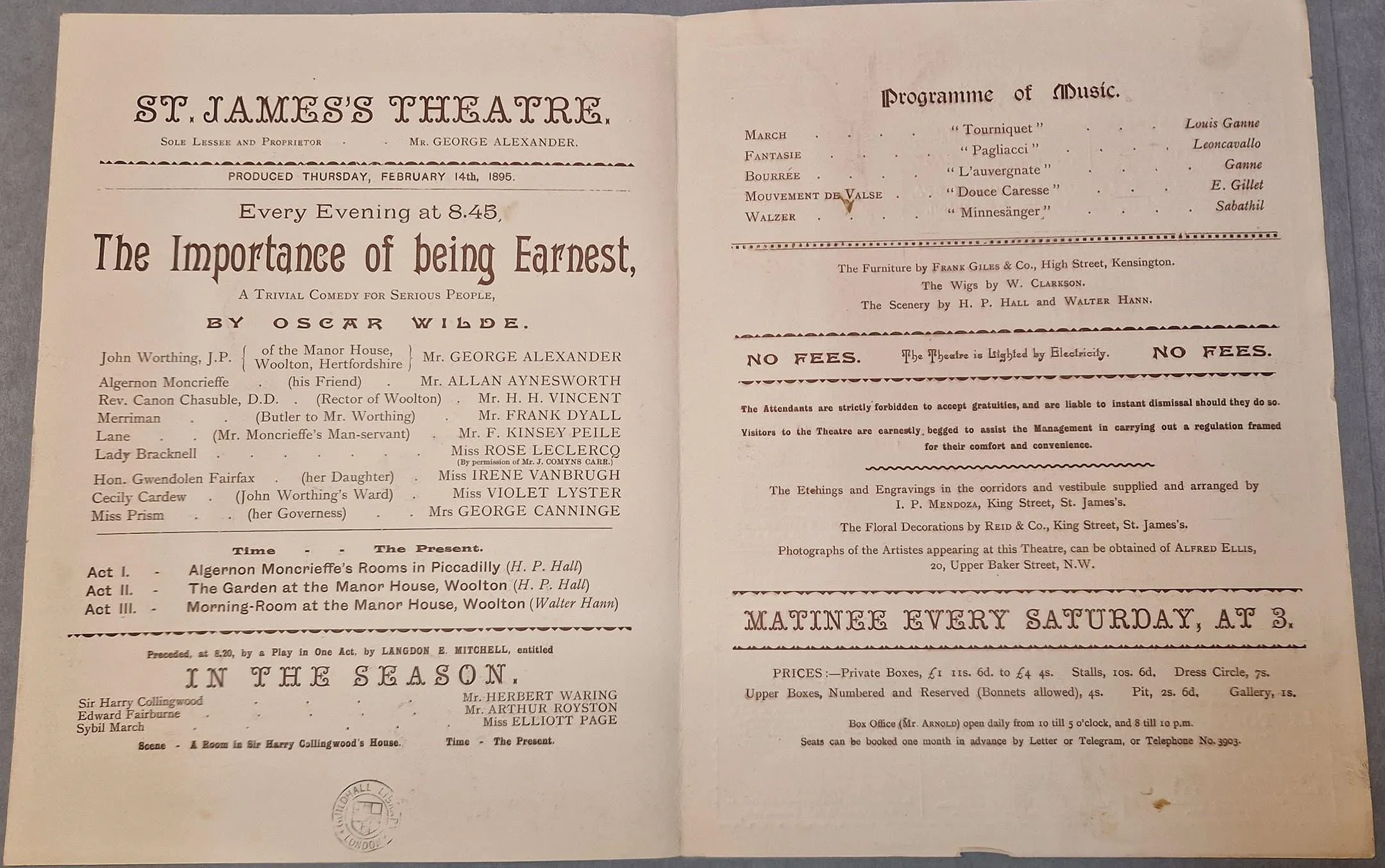
On 3 April 1895 the first trial began at the Old Bailey. Wilde was a very public figure. Only weeks before on 14 February 1895 his new play ‘The Importance of Being Ernest’ had opened at St James's Theatre to critical acclaim, so the trial was widely reported in the press. Given Wilde’s eloquence in court, it was treated as theatre. But the media sensed blood and the potential for scandal; and Edward Carson, Queensberry’s lawyer, did not disappoint.
Revealing that he had a succession of witnesses who would testify to Wilde’s sexual activities, it became clear to Edward Clarke, Wilde’s lawyer, that the jury would not find in the writer’s favour. He advised withdrawal of the libel prosecution and an end to the trial.
But events did not stop there. Clarke realised that Wilde was himself now in danger of being prosecuted for gross indecency. By the time Wilde announced that he would drop the prosecution, Queensberry’s defence team had passed their witness statements to the police and a warrant for his arrest was being issued.
Interestingly John Bridge, the magistrate at Bows Street Court delayed its issue to give Wilde the chance to flee the country, but Wilde procrastinated and missed the opportunity. He was arrested at the Cadogan Hotel and taken into custody on 6 April 1895.

The second trial began on 26 April 1895, once again at the Old Bailey but with Wilde now the defendant. A series of male witnesses testified to having had relationships with Wilde and the press had a field day. Yet, after much deliberation, the jury failed to reach a unanimous verdict on most of the charges. Wilde was given bail to leave the court, but in the absence of a formal acquittal, a third trial beckoned.
Any chance of avoiding a retrial was crushed when the Government assigned the solicitor general Frank Lockwood, the country’s chief prosecutor, to the proceedings. There is a suggestion that Queensberry was able to pressure the Prime Minister of the time, Lord Rosebery, to convict Wilde. Scholars claim Rosebery had previously had a relationship with Francis Douglas, Queensberry’s eldest son and suggest the Marquess possibly threatened public exposure.
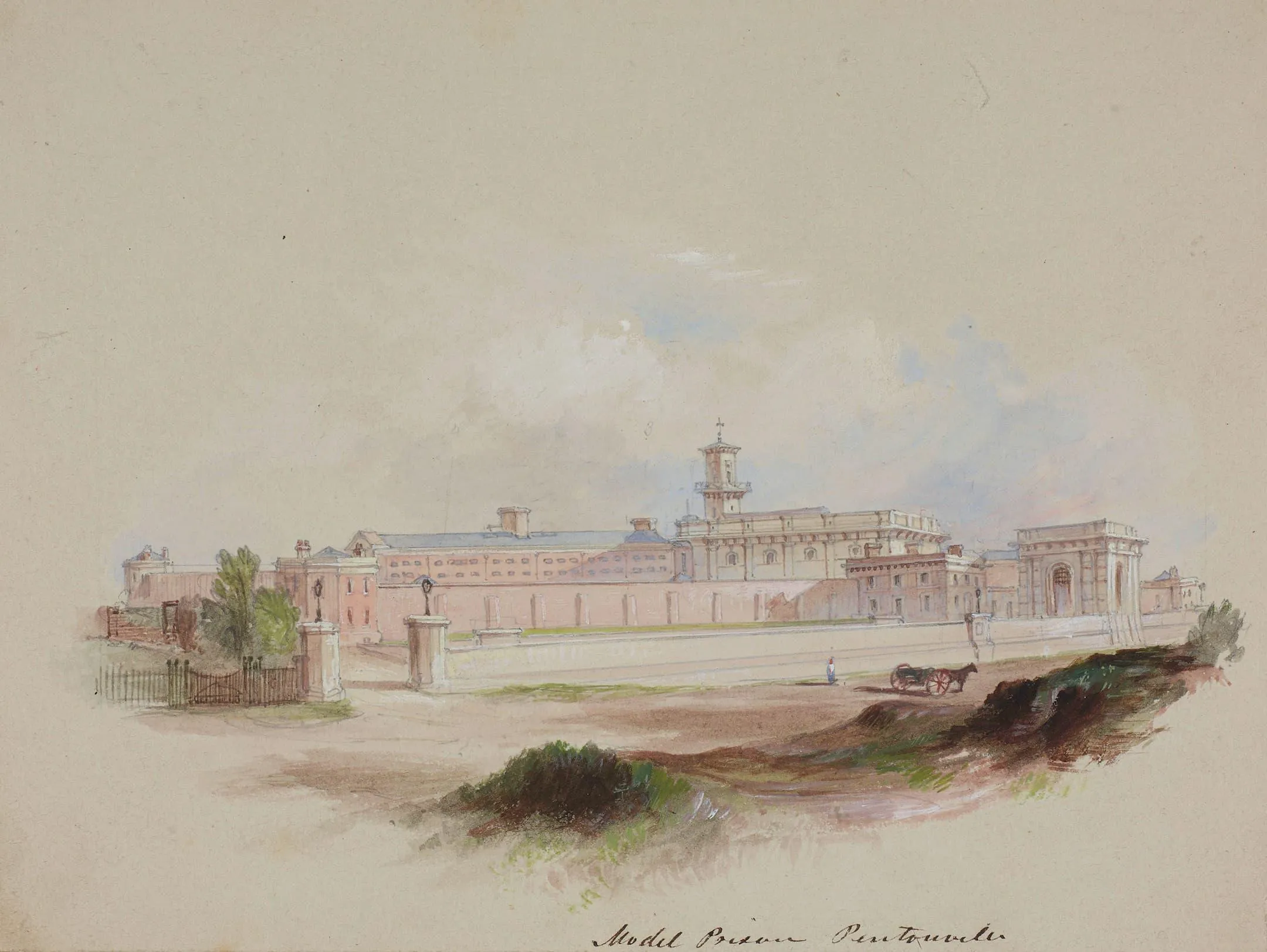
Wilde was found guilty and sentenced to two years’ hard labour on 20 May 1895. He was initially sent to Pentonville Prison but was transferred to Wandsworth Prison on 4 July.
There he remained until 13 November 1895 when he was sent to Reading Gaol to serve the remainder of his sentence. Wilde’s health deteriorated during his imprisonment and he spent months in the infirmary at Wandsworth Prison after collapsing in the Chapel shortly after his transfer there.
The trials destroyed Wilde’s reputation as well as his health and he became a figure vilified by the public. In ‘De Profundis’, which Wilde wrote whilst in Reading Gaol, he reflected on his reputation and the anguish and brutality of incarceration.
Describing the journey to Reading Gaol, Wilde recalled that he was spat at and abused by crowds whilst waiting on the platform at Clapham junction.
Upon release from Reading Gaol in May 1897 Wilde left the UK and spent the last three years of his life in exile, mostly in France. He died in Paris on 30 November 1900 never having fully recovered from the ordeals. Poignantly, Wilde concludes ‘De Profundis’:
All trials are trials for one’s life, just as all sentences are sentences of death, and three times I have been tried. The first time I left the box to be arrested, the second time to be led back to the house of detention, and the third time to pass into prison for two years. Society as we have constituted it, will have no place for me, has none to offer; but nature, whose sweet rains fall on just and unjust alike, will have clefts in the rocks where I may hide, and secret valleys in whose silence I may weep undisturbed.
Documents relating to the case, including a Wandsworth prison register and a first edition of ‘De Profundis’, will be on display in our free ‘Londoners on Trial’ exhibition which opens at TLA on 9 March.
The exhibition shows that the trials of Oscar Wilde sit within a much longer history of homophobia and the policing of morals by London’s courts. Displays also include court cases brought by the Society for Reformation of Manners to prosecute gay men on London’s streets in 1707 and one of the oldest documents in our collections which speaks to LGBTQ+ history, ‘The case of Eleanor Rykener also known as John’ from a 1395 City of London Mayor’s Court roll.
Londoners on Trial exhibition - Find out more