

James Lock Hatters and Peal the Bootmakers
Here we look at the records of two companies that have clothed Londoners and beyond from head to toe in the last few hundred years: 'James Lock and Company Limited' and 'Peal and Company Limited'. Peal closed in 1965 but Lock and Company are still going strong since 1676! Find out more about these two icons of London history.
James Lock
Purported to be the world's oldest hat shop with famous customers including Lord Nelson, Beau Brummel, Oscar Wilde, Sir Winston Churchill, and Charlie Chaplin.
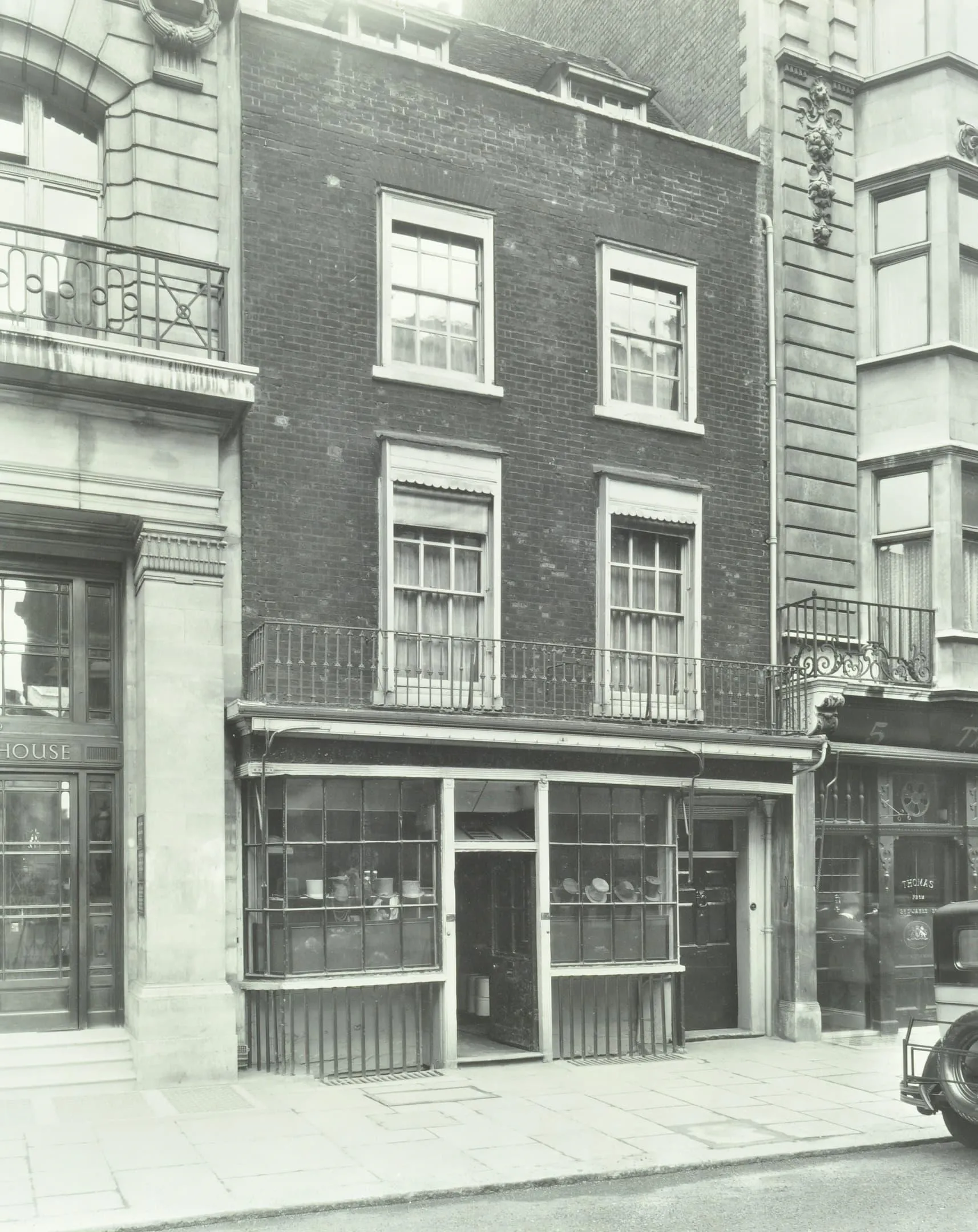
The company has a useful timeline on their website:
Timeline History for Lock and Co. HattersLock's is a club - an exclusive circle of good taste and wise choice. A Lock hat is easily recognized by those who know, and this camaraderie of hat-fellowship does as much as anything to break down the proverbial British reserve. An edifying London sight is a meeting between two Lock hats. The signs are obvious. The approach along a crowded street. Suddenly, their owners catch sight of each other. Their distant look changes swiftly to one of concentration, and a light comes to their eyes. They inspect one another. They hesitate. They almost speak to each other! They pass on.
Reference B/LK
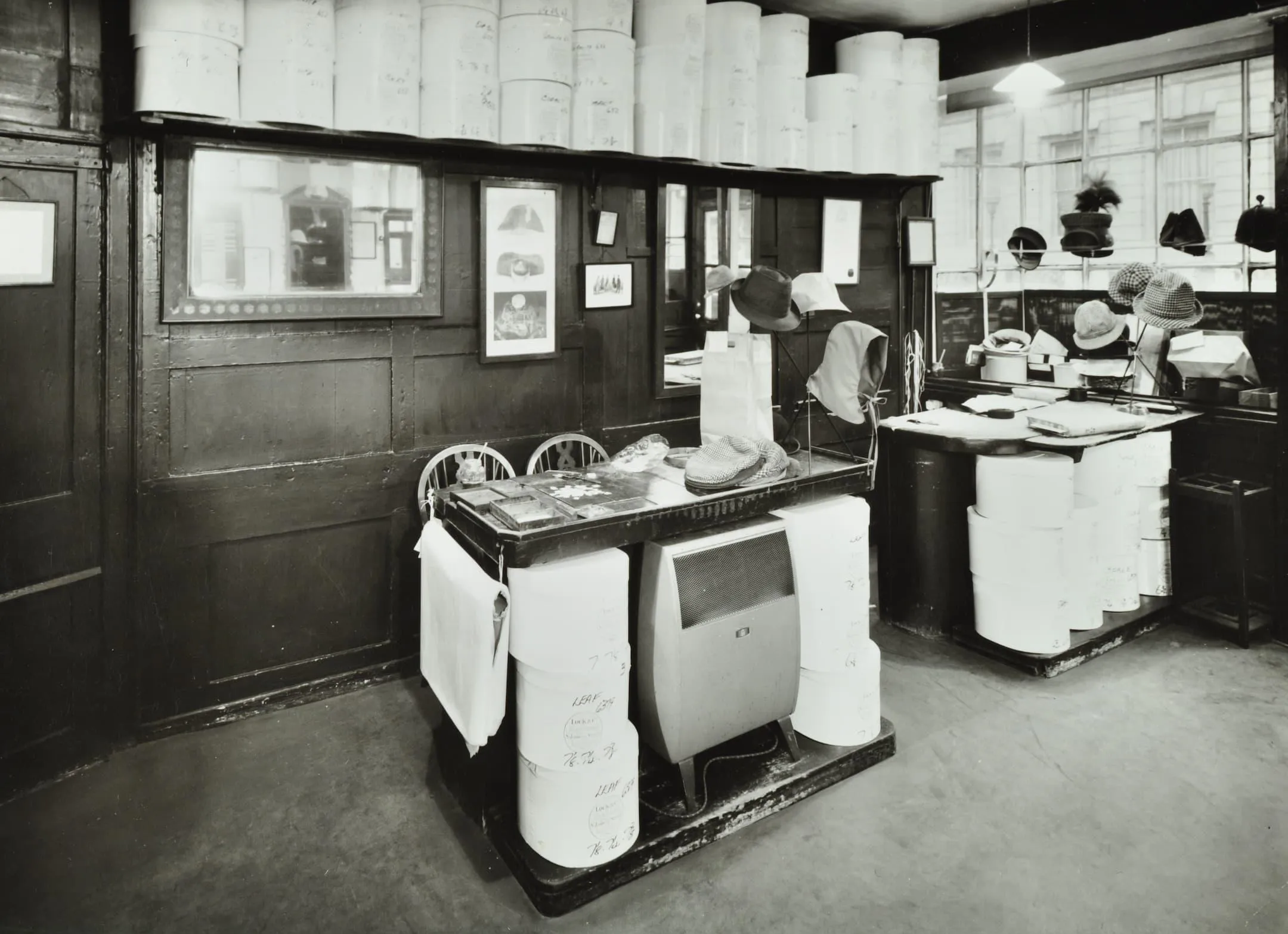
The records of James Lock and Company include a series of day books (1781-1969, with gaps) and order books (1805-1998, with gaps). There were always two order books in use at any one time, one in the shop and one in the office, and as a result the dates overlap in many volumes. There is also a series of rough order books, called waste books (1798-1819), and special order books series for ladies' hats, for hunting wear and foreign and export orders. There are very few product drawings or fabric samples included (for samples for special orders during the years 1995-1998, see reference: B/LK/422).
Search the catalogue
The records contain similar elements of information, namely the customer's name and address, description of hat ordered and the total cost. It supplies an interesting insight to the orders the company received overtime - many customers opting for timeless classics.
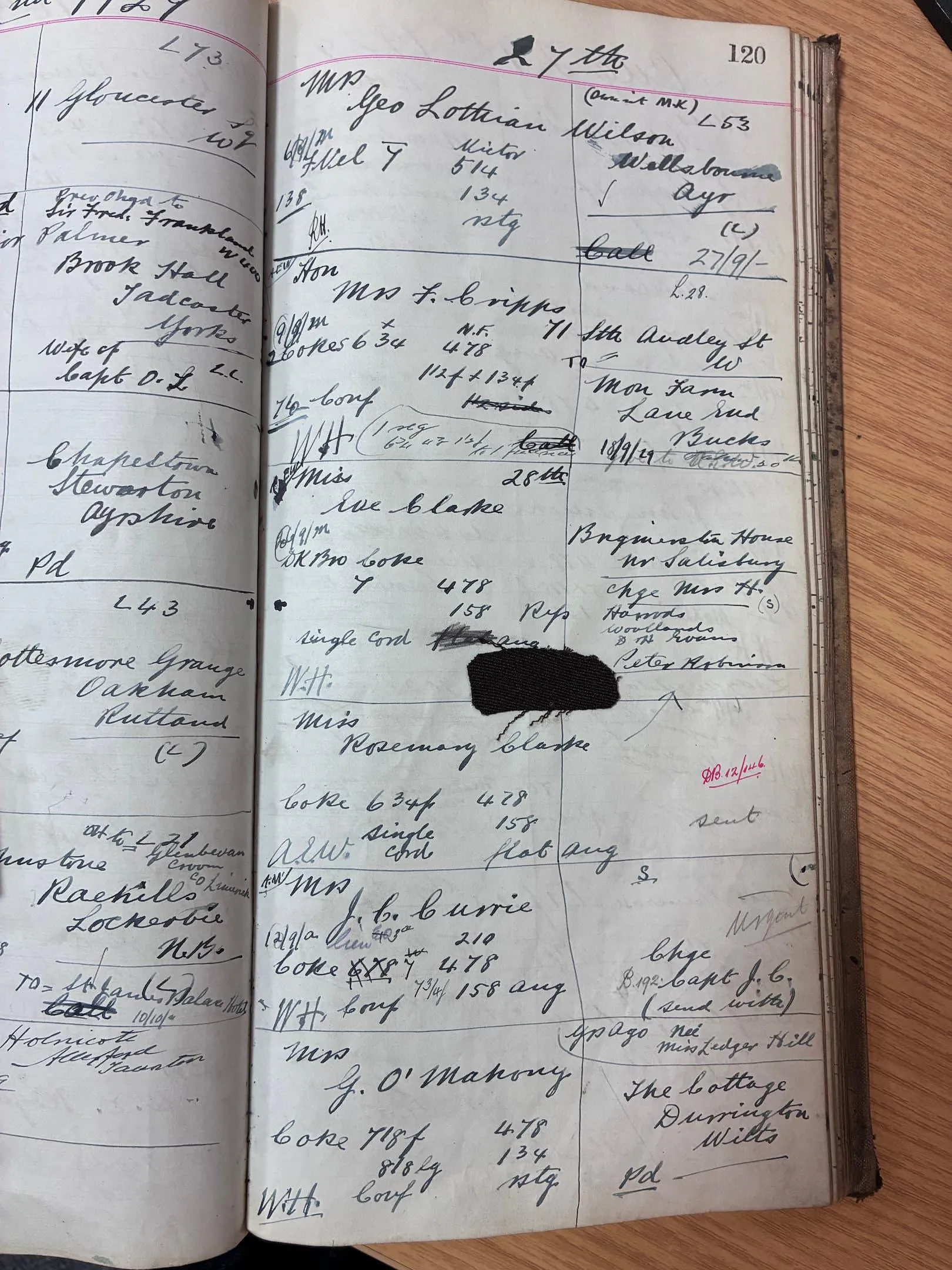
There are a series of ladies' order books and in the late 1920s it reveals that there were many orders for 'coke' hats which were bowler hats. It was named after Edward Coke who commissioned the first of its type and was it was originally created by Thomas and William Bowler. Ladies sometimes wore small bowlers for riding and sporting wear and fashionable daywear. They were usually hard felt, often with a rounded crown, relatively stiff, and usually with a narrow brim that curls up at the sides, but the ladies' examples varied in their use of material. An example in B/LK/160 has some sample material which indicates a single cord material was to be used.
Samuel Peal
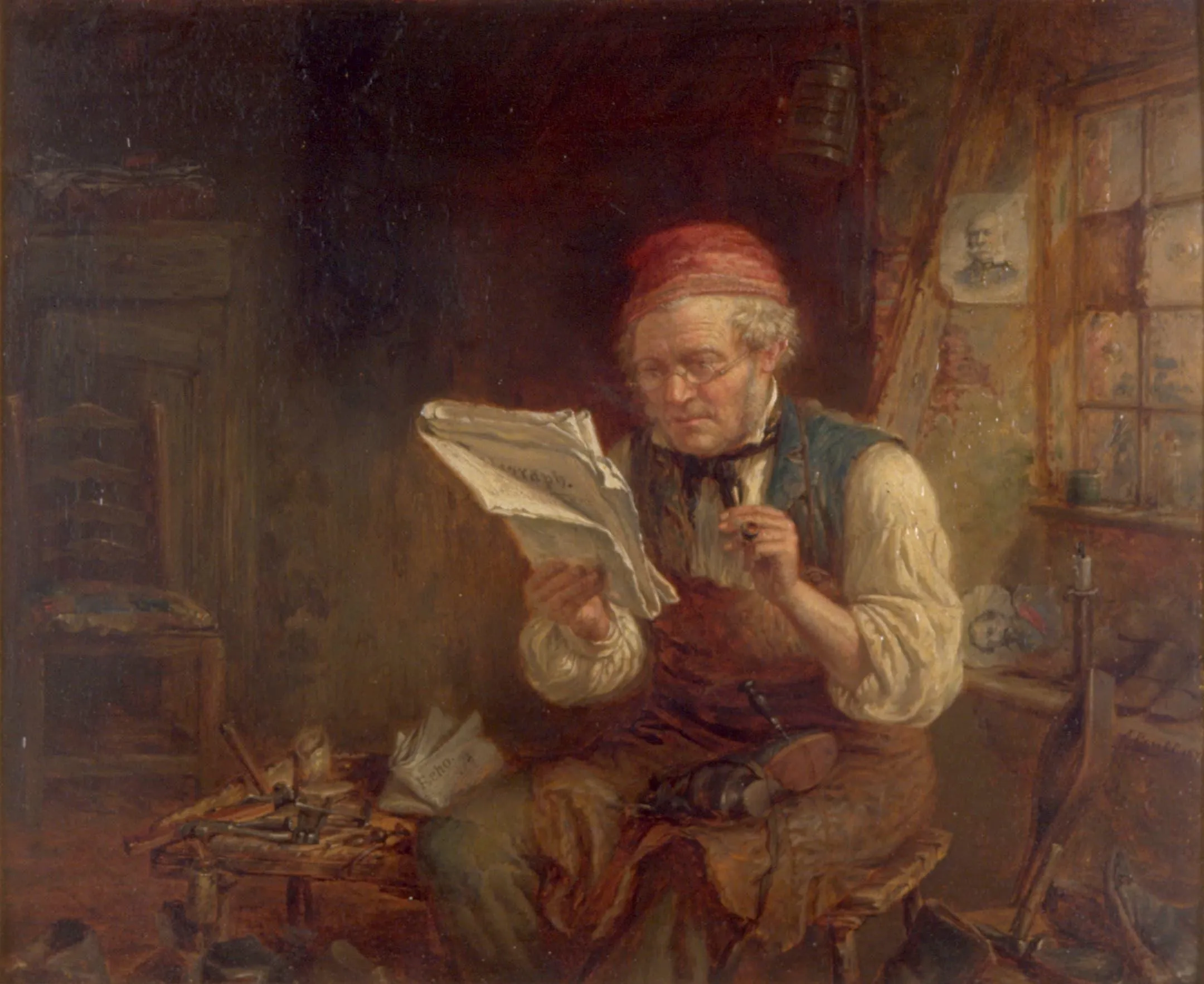
The bespoke footwear company of 'Peal and Co' was established by Samuel Peal in 1791 and continued for 174 years. Originally based in Stepney Green their success enabled them finally to locate at 48 Wigmore Street with a factory in Jeddo Road, Acton Vale.
Peal took out a patent for rendering clothing materials waterproof by finely brushing them with a coat of caoutchouc, Indian rubber solution. Peal's boots and shoes became renowned for their comfort and durability.
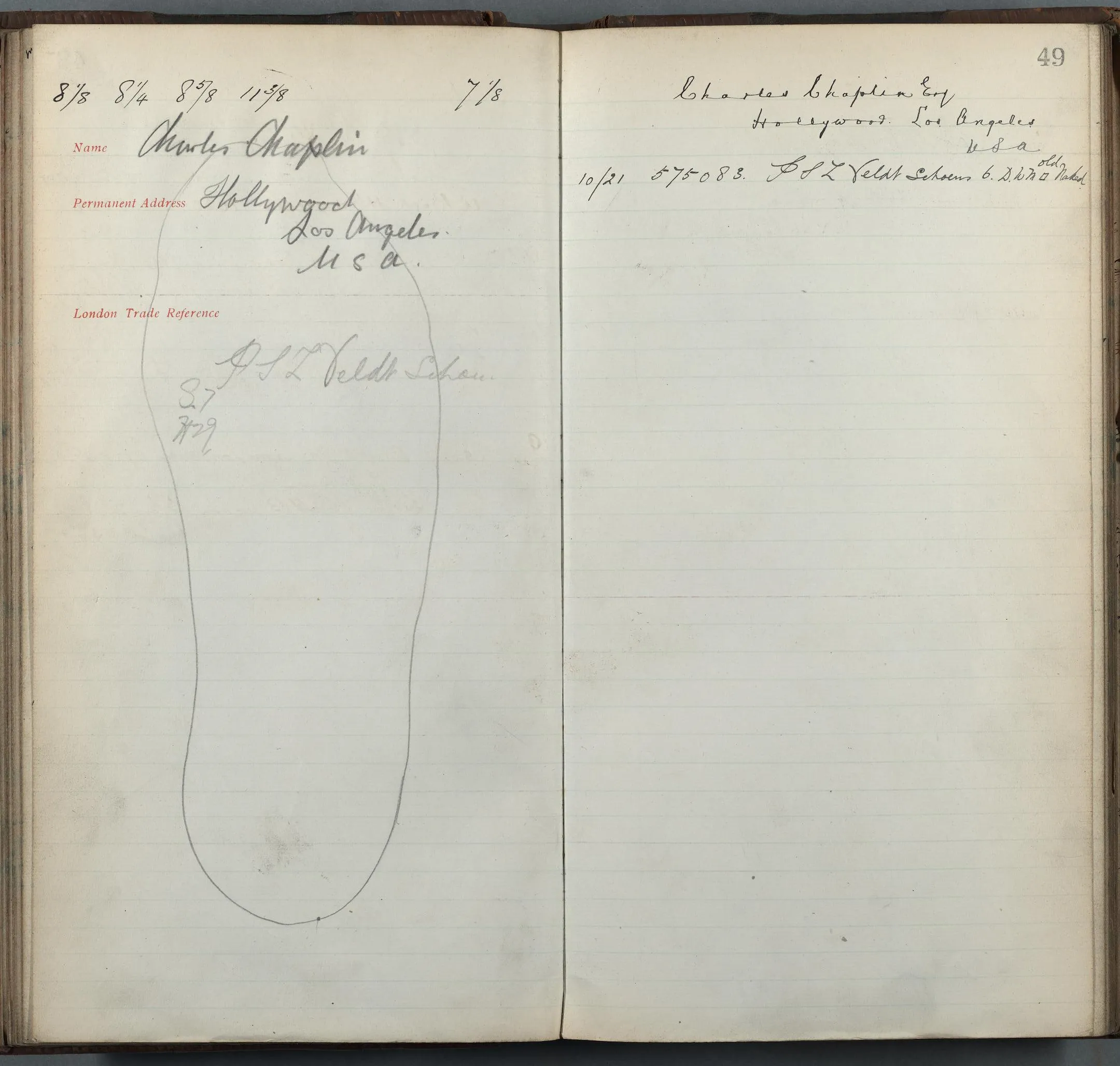
The production of a shoe is a complex process involving more than 200 stages. The ‘Feet Books’ show the outlines of the customer’s foot with the girth measurements and irregularities noted. This information is then used to make a pair of beechwood lasts which replicate the foot of the client. It is particular to the heel height, toe shape and type of footwear produced.
There are 618 Feet Books [in series reference: LMA/4454/02) which detail the shoes ordered for each client. However, please note it does not say how much an individual pair would cost but they were at the high end of the market. They are a fascinating resource for a snap shot of foot health, bunions and all, and also a reflection of the styles that were being requested from Hollywood stars and beyond! Some famous customers have been identified on our catalogue including one Karl Marx, Fred Astaire, Cary Grant, Mrs Walt Disney, John F Kennedy, Boris Karloff, but this is not an exhaustive list.
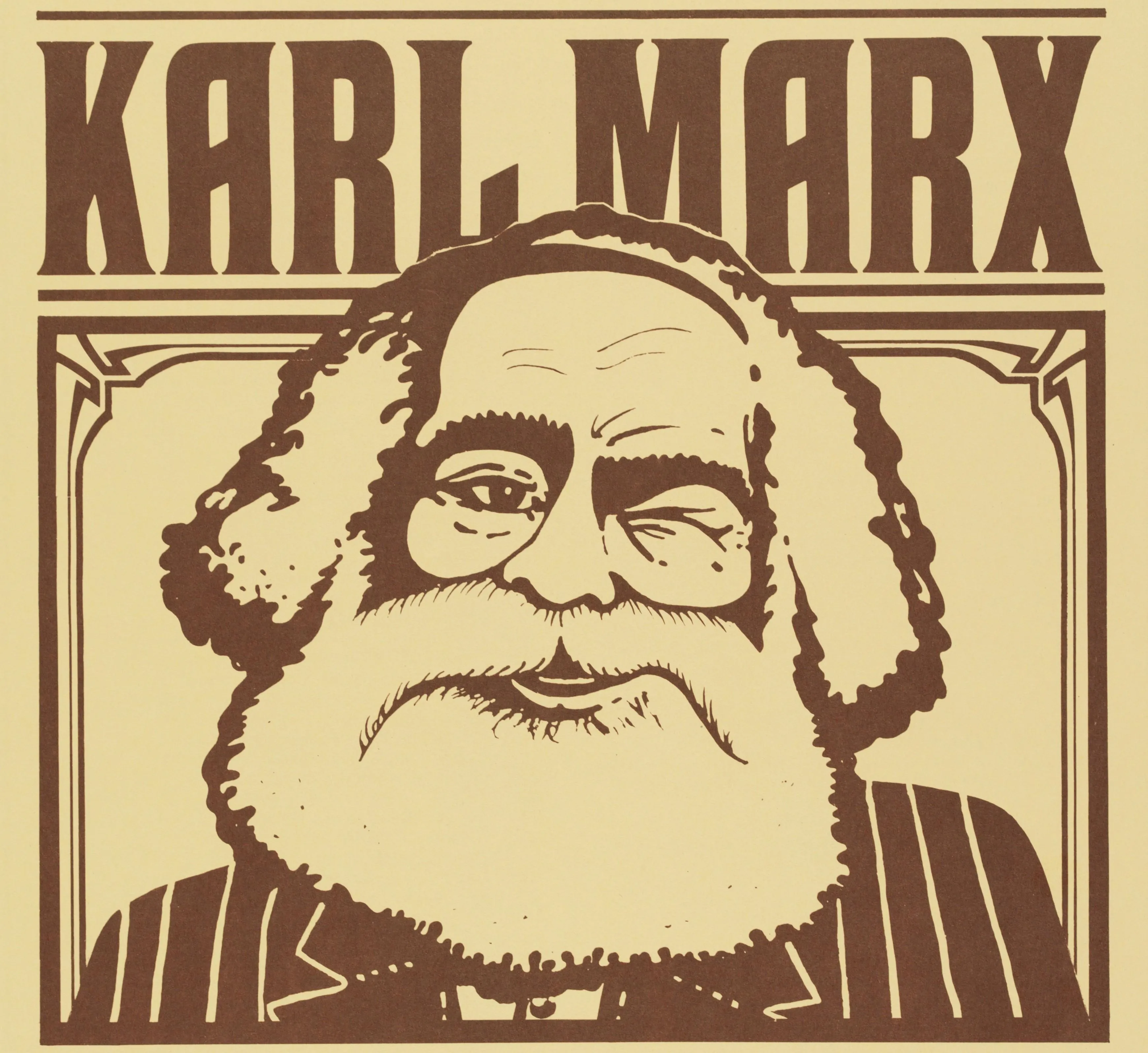
A sample image of the Karl Marx Feet Book can be viewed on our catalogue. We are currently in the process of looking at a possible digitisation project for the other feet books but this will take a good number of years to complete. So, in the meantime it will be necessary to view the original books.
View Karl Marx Feet Book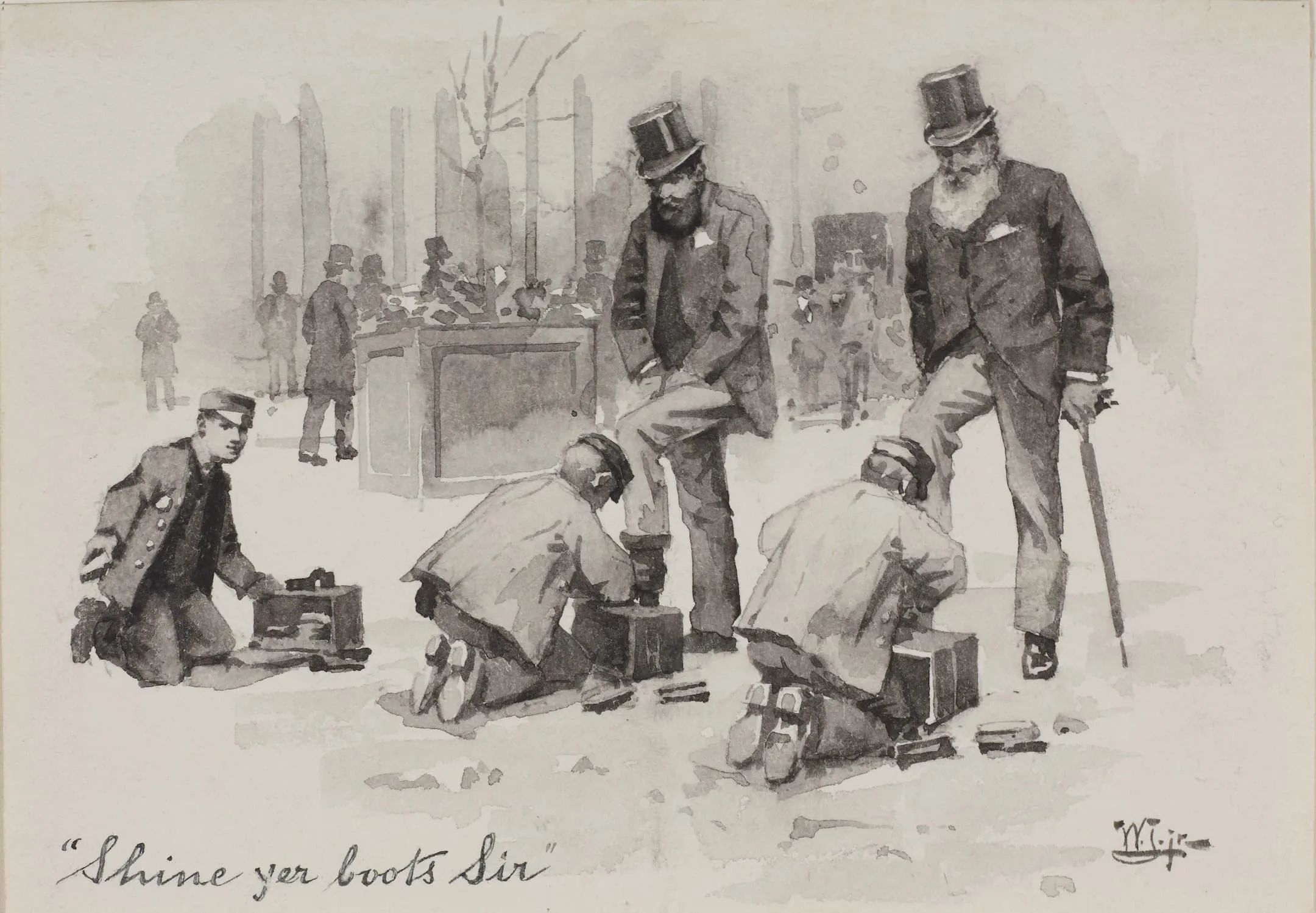
Charlie Chaplin Feet Book
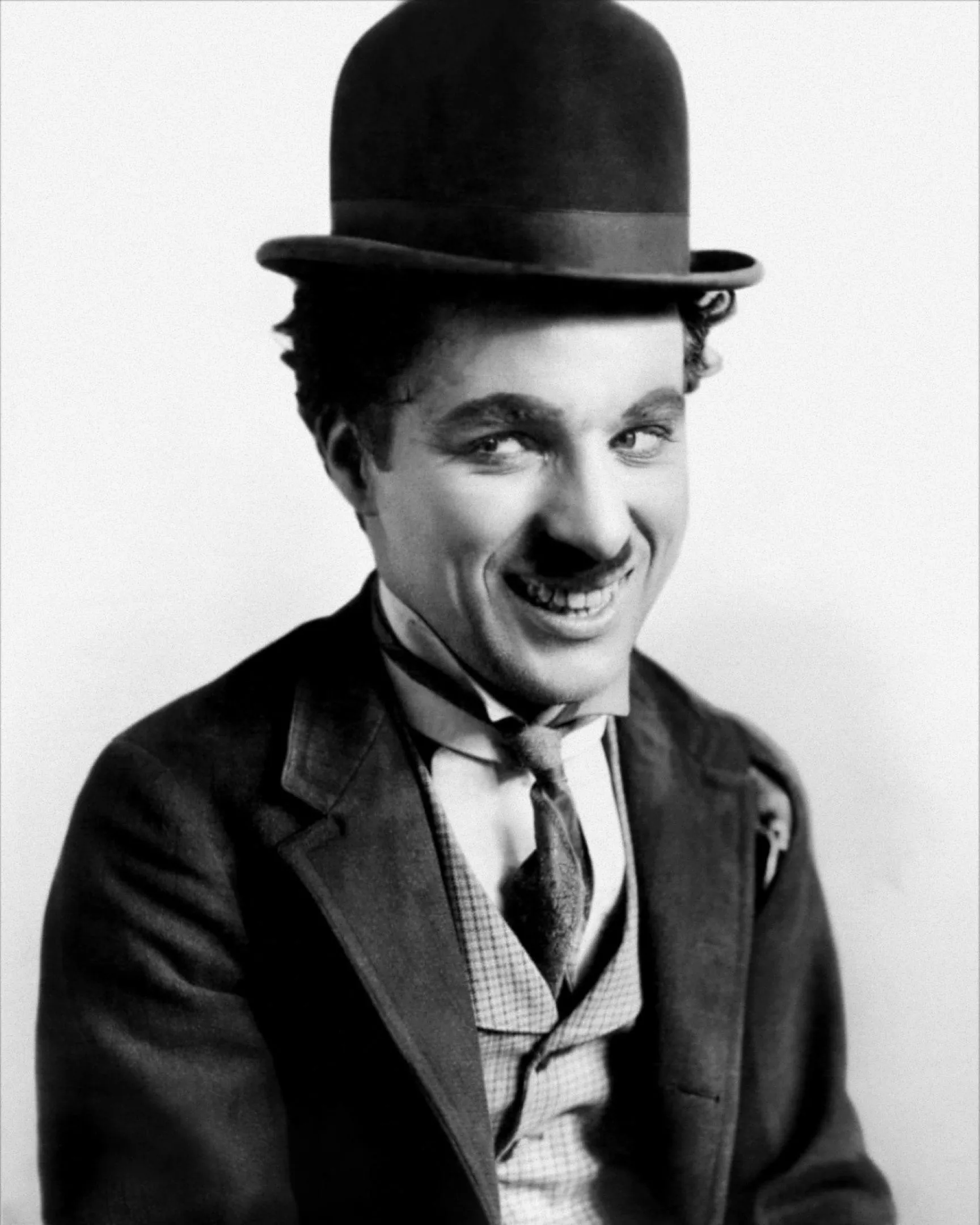
In the collection is an order from one Charles Chaplin (reference: LMA/4454/02/231, p.49). His order refers to a particular type of ankle-length boot of soft but strong rawhide, made without nails and usually without an insole – a Veldt Schoen.
Charlie Chaplin (1889–1977) was a British actor, comedian, filmmaker, and composer who became one of the most famous figures of the silent film era. Born in East Street, Walworth, London, he rose from a difficult childhood in poverty to become an international movie star.
Chaplin is best known for his iconic character “The Tramp”, a kind-hearted wanderer with a bowler hat, toothbrush moustache, cane, and oversized shoes. He combined comedy with social commentary, making audiences laugh while highlighting issues such as poverty and inequality.
Library sources
- Mr. Lock of St. James's Street : his continuing life and changing times / by Frank Whitbourn with drawings by Ronald Searle. reference: 35.33 LOC
- Old Bond Street as a centre of fashion 1686-1906, with special reference to its past and present connection with the ancient guilds of Merchant Taylors in London and Exeter / by J&G Ross. reference: reference: P 70.7 BON
- Shopping in style : London from the Restoration to Edwardian elegance / by Alison Adburgham. reference: 35.42 ADB
London Picture Archive
Search the London Picture Archive for images of London and shops, department stores and fashion through the ages!
Search the London Picture ArchiveYour Research
Visit The London Archives to research these two companies further and register for a History Card today!
Register for a History Card