Records of the New River Company
New River Head
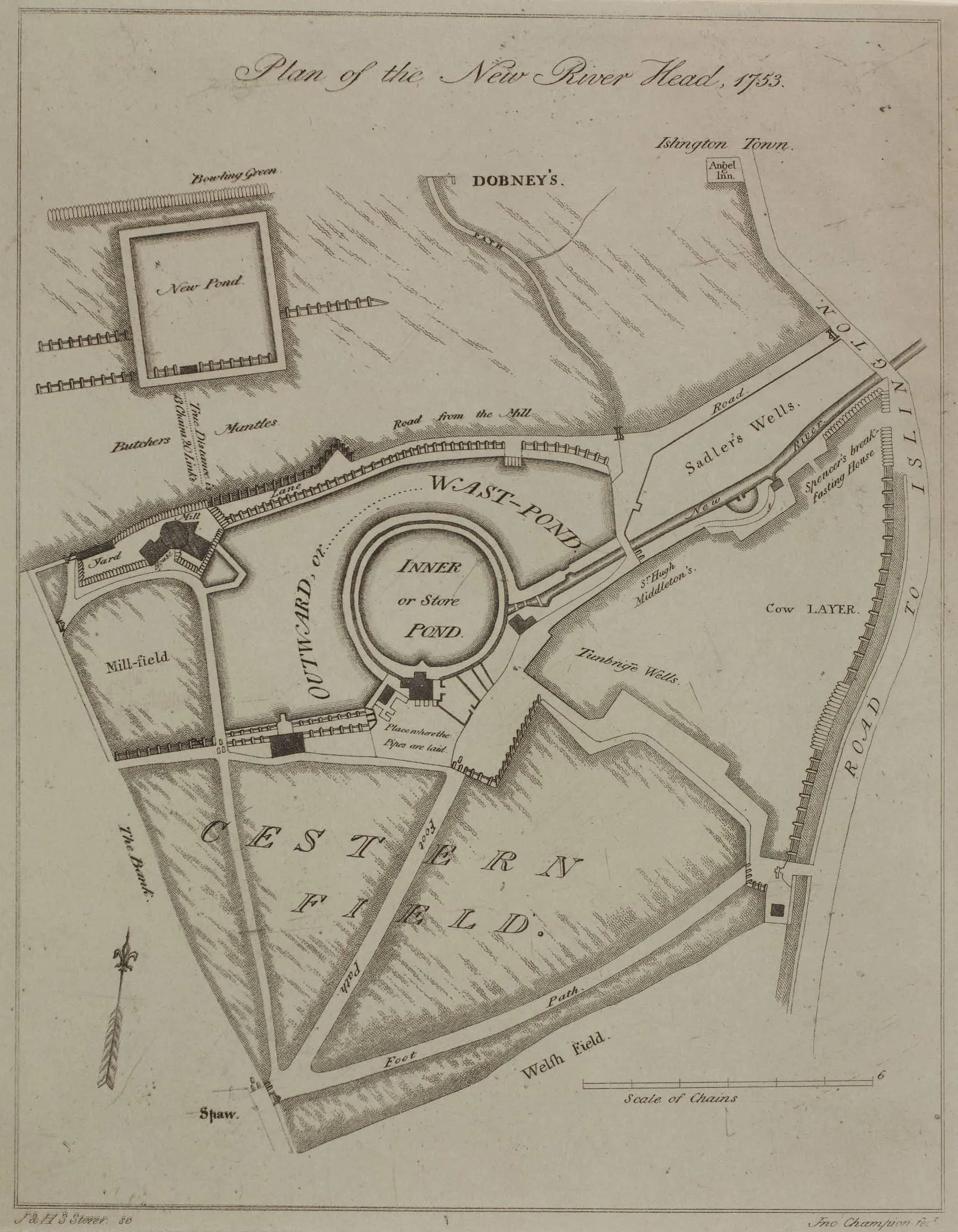
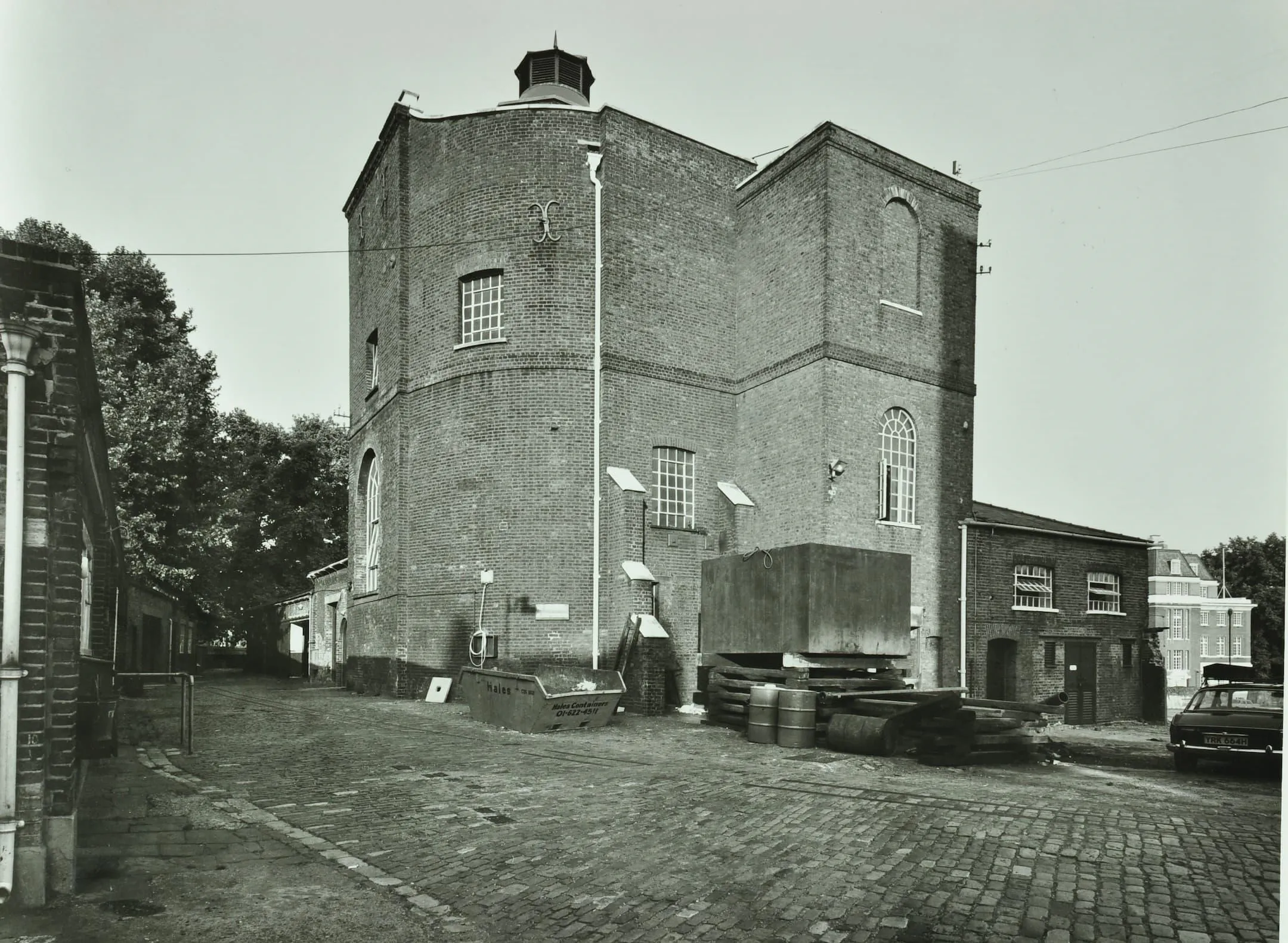
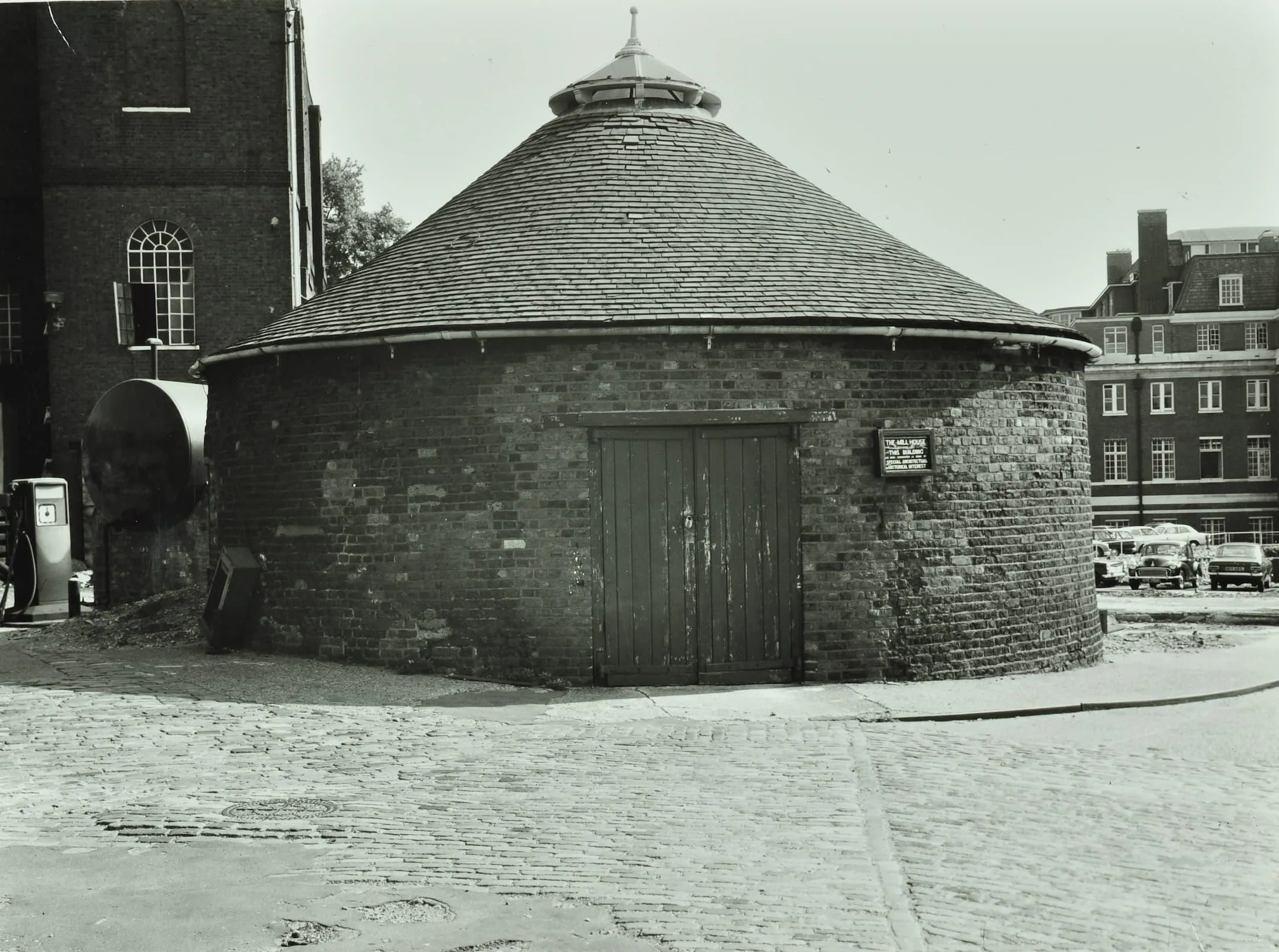
With the opening of the Quentin Blake Centre for Illustration at Myddelton passage in 2026, here we highlight some of the sources for conducting research into the records we hold on the New River Company. The Quentin Blake Centre sits on the site of the old engine house, boiler house, coal stores and windmill base that were associated with the New River Head.
Construction
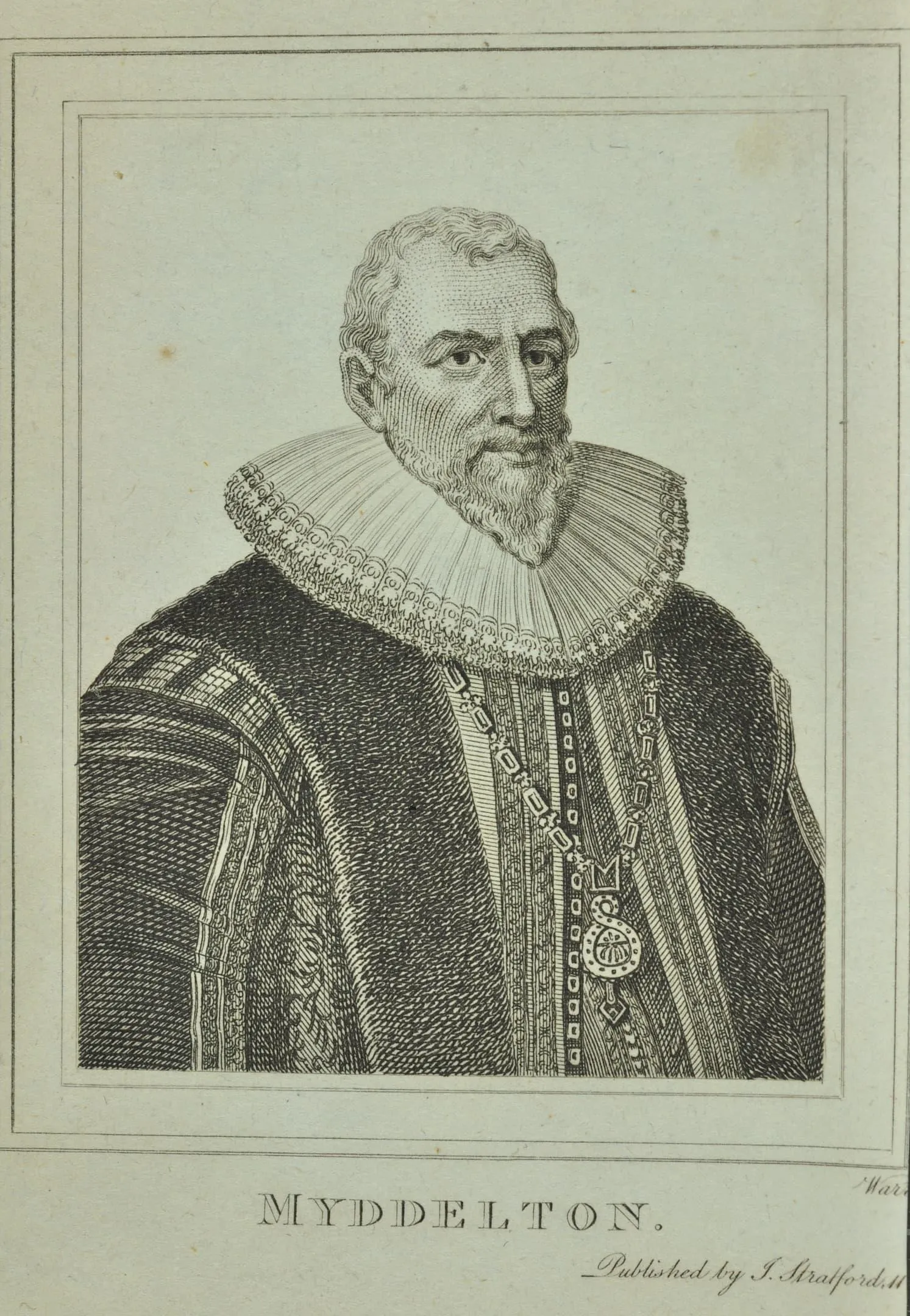
The New River was constructed between 1609 and 1613 and financed by Sir Hugh Myddelton (1560-1631) to bring water from Amwell and Chadwell in Hertfordshire to the City of London. The River terminated at the elevated fields known as the Commandery Mantles in Clerkenwell where ponds and a cistern house were constructed. From the New River Head the water was distributed by pipes. The New River Company was incorporated by letters patent in 1619.
In the eighteenth century the New River Company needed more power to deliver water to other areas in London and to provide more for each person due to revelations about the connection between dirt and disease.
Here we highlight some sources for conducting research into the records we hold on the New River.
Artists' impressions
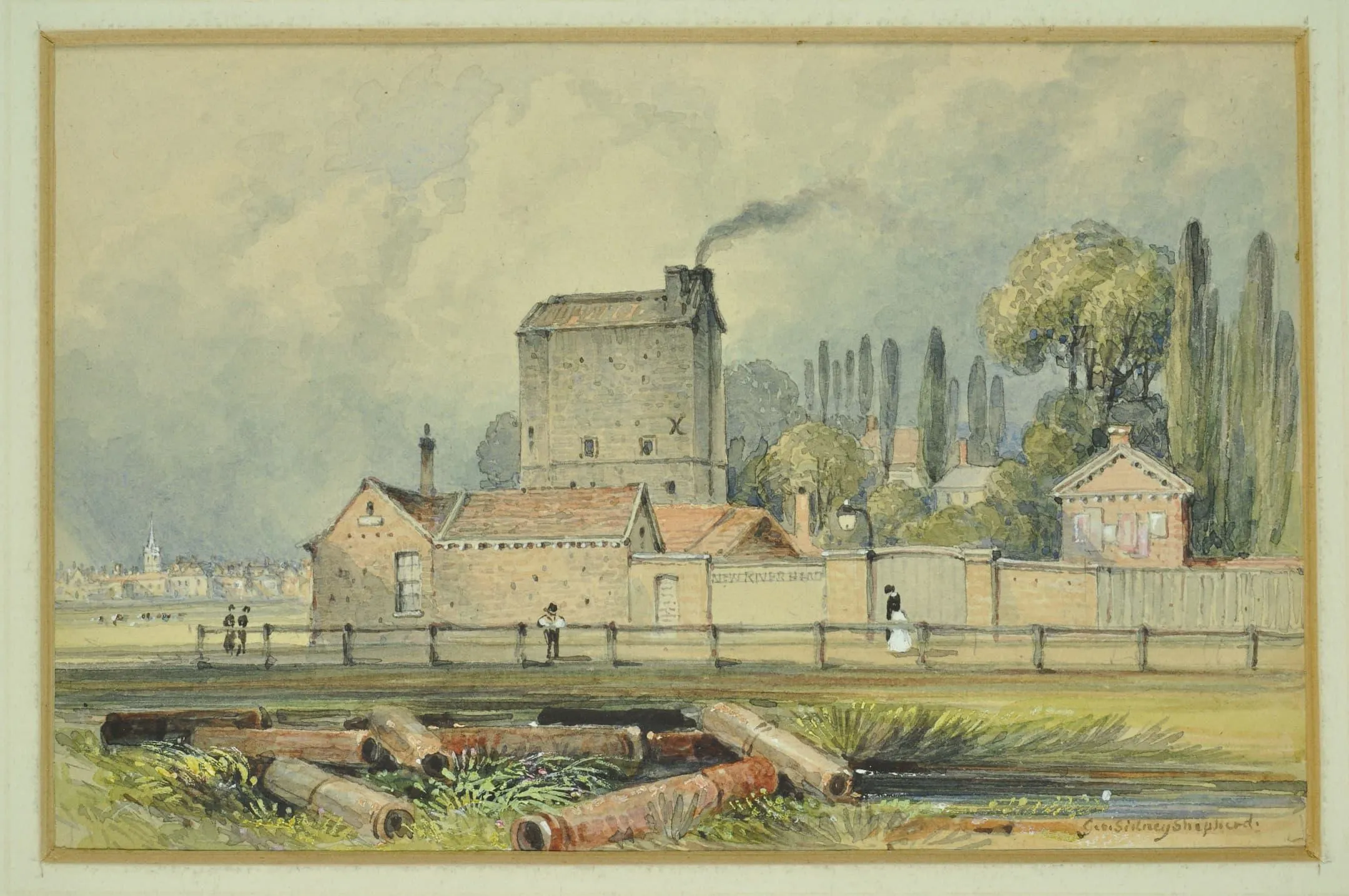
You can search the London Picture Archive for images covering the history of the New River. Here are a few examples.
Search the London Picture Archive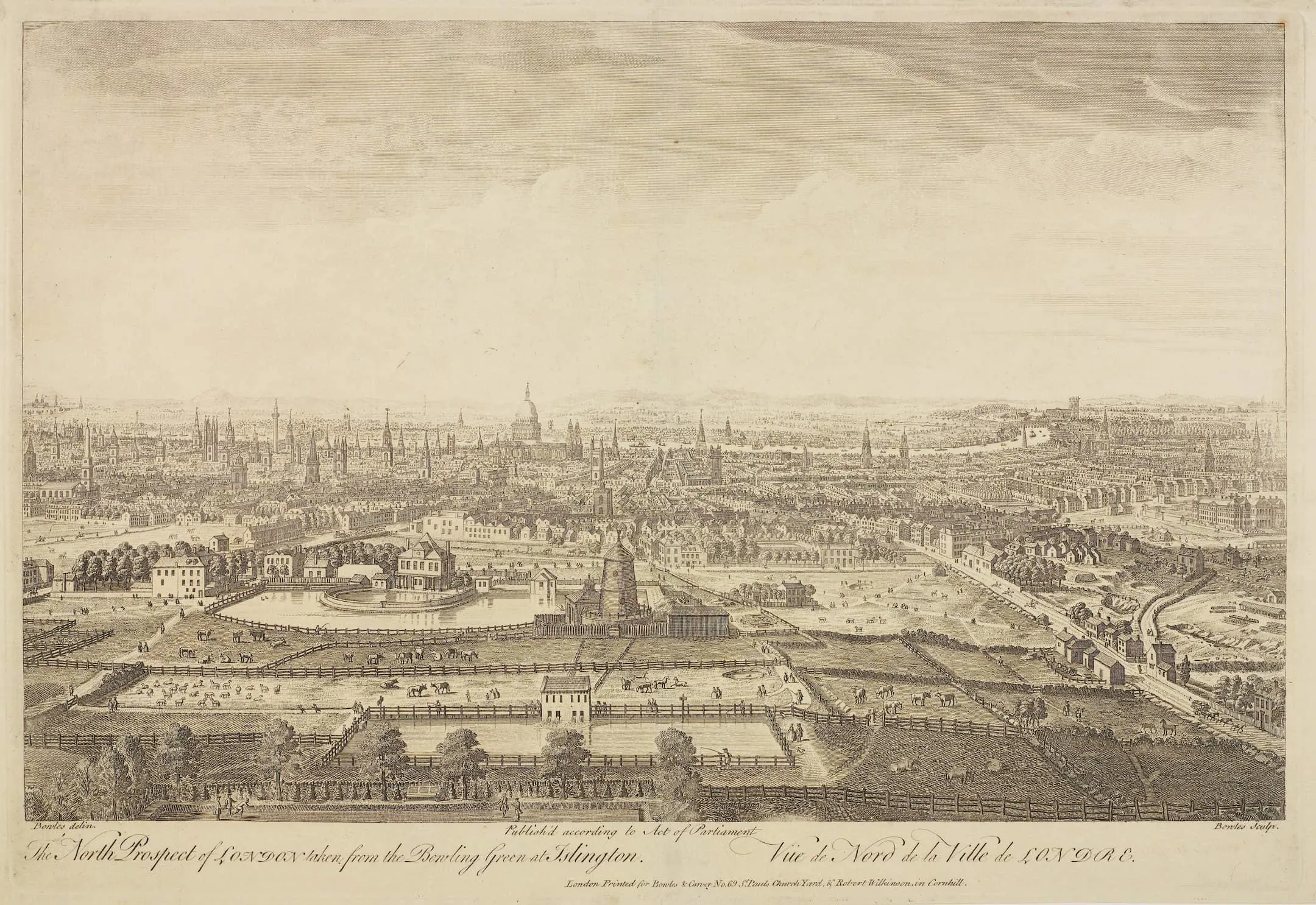
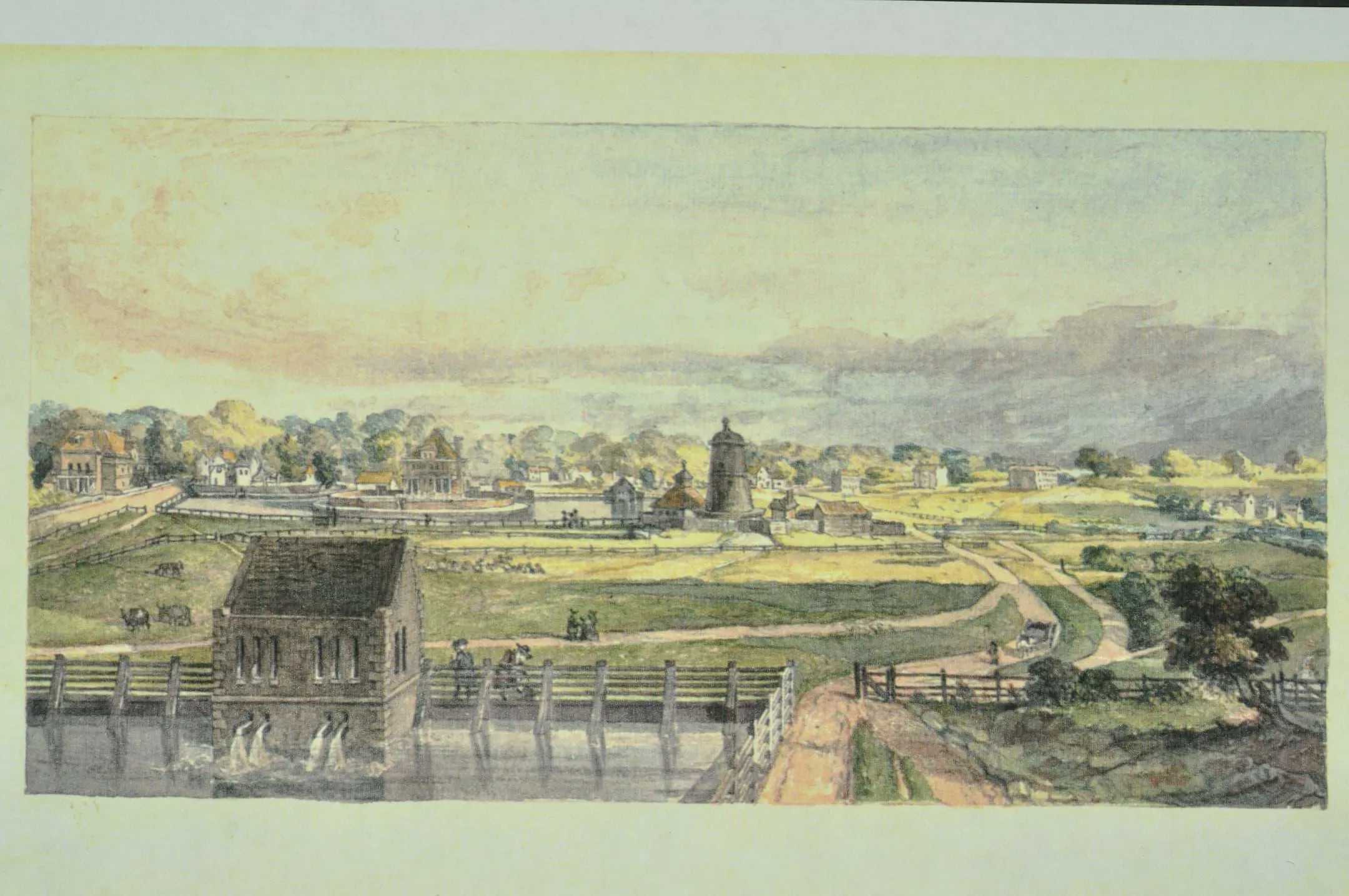
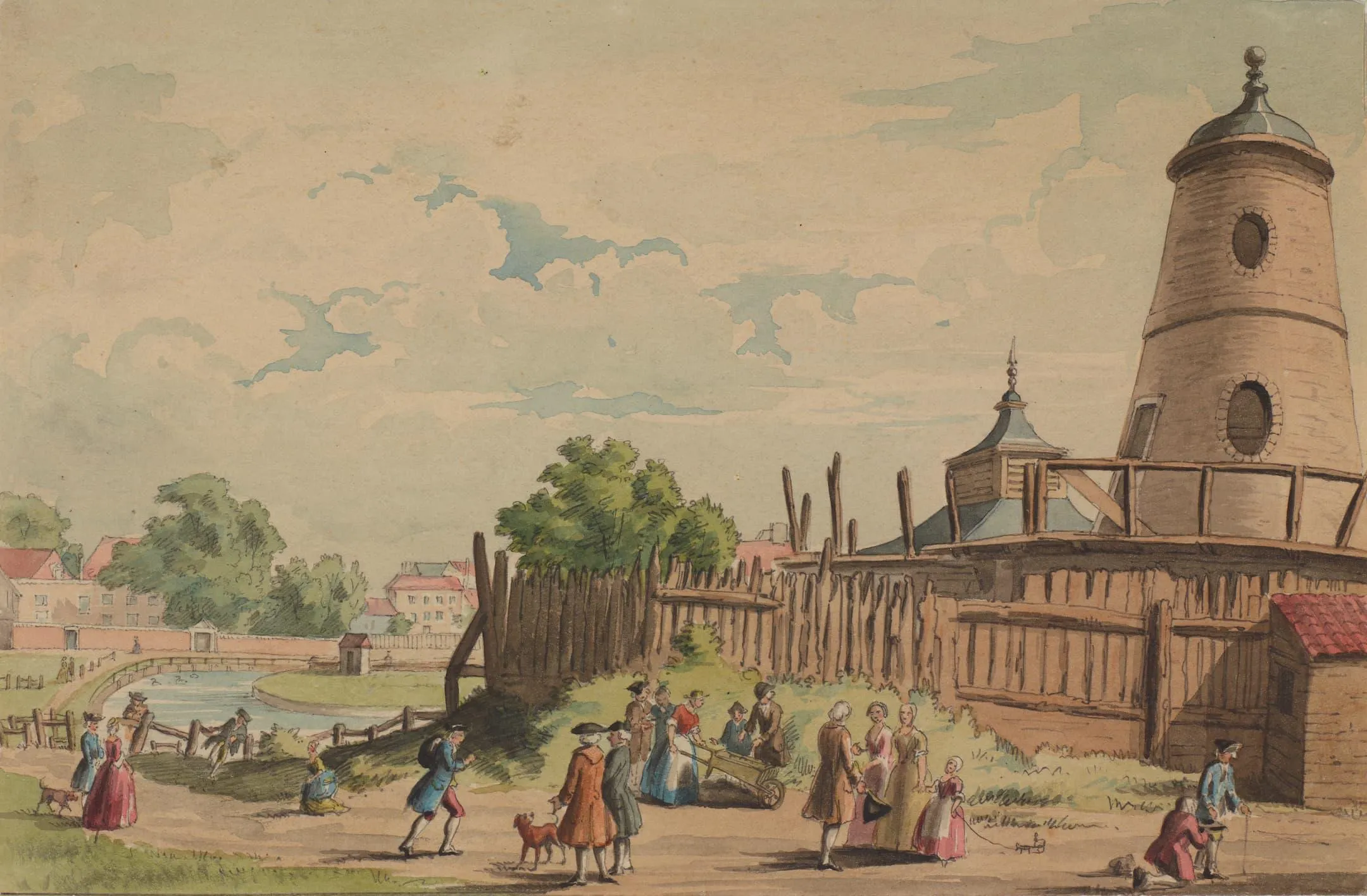
The Victorian artist C H Matthews (1820 - ?) had an interest in the landscape of North London and depicted scenes of the New River.
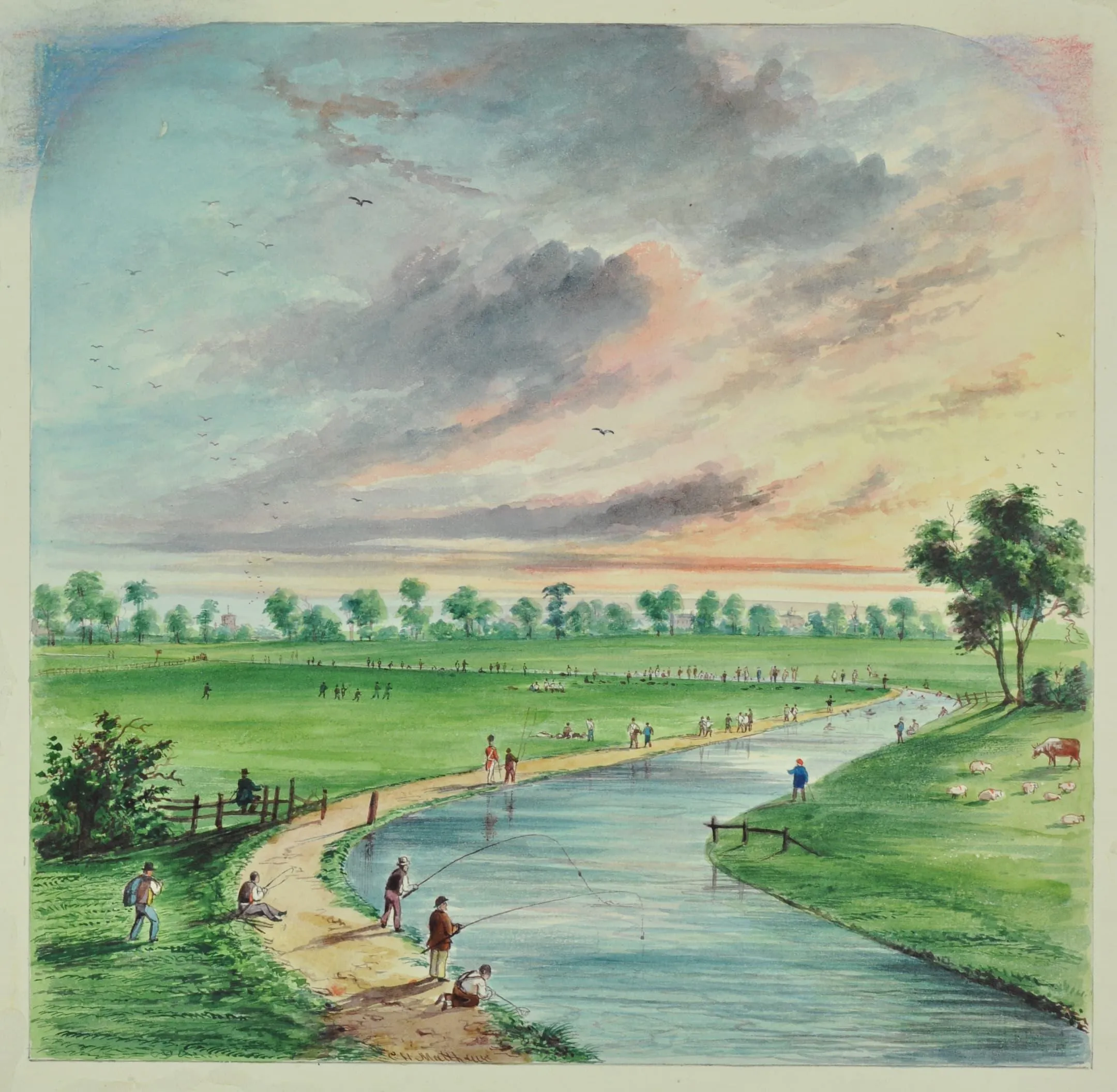
Nineteenth-Century developments
During the nineteenth century the original circuitous forty mile course of the New River was shortened and straightened by the construction of aqueducts, tunnels and underground pipes. Reservoirs were built at Stoke Newington in 1831 and 1833 and at Cheshunt in 1837. The Metropolis Water Act 1852 required water companies to filter all domestic water and to store it in covered reservoirs. The New River Company built filtration works at Stoke Newington, Hornsey and New River Head.
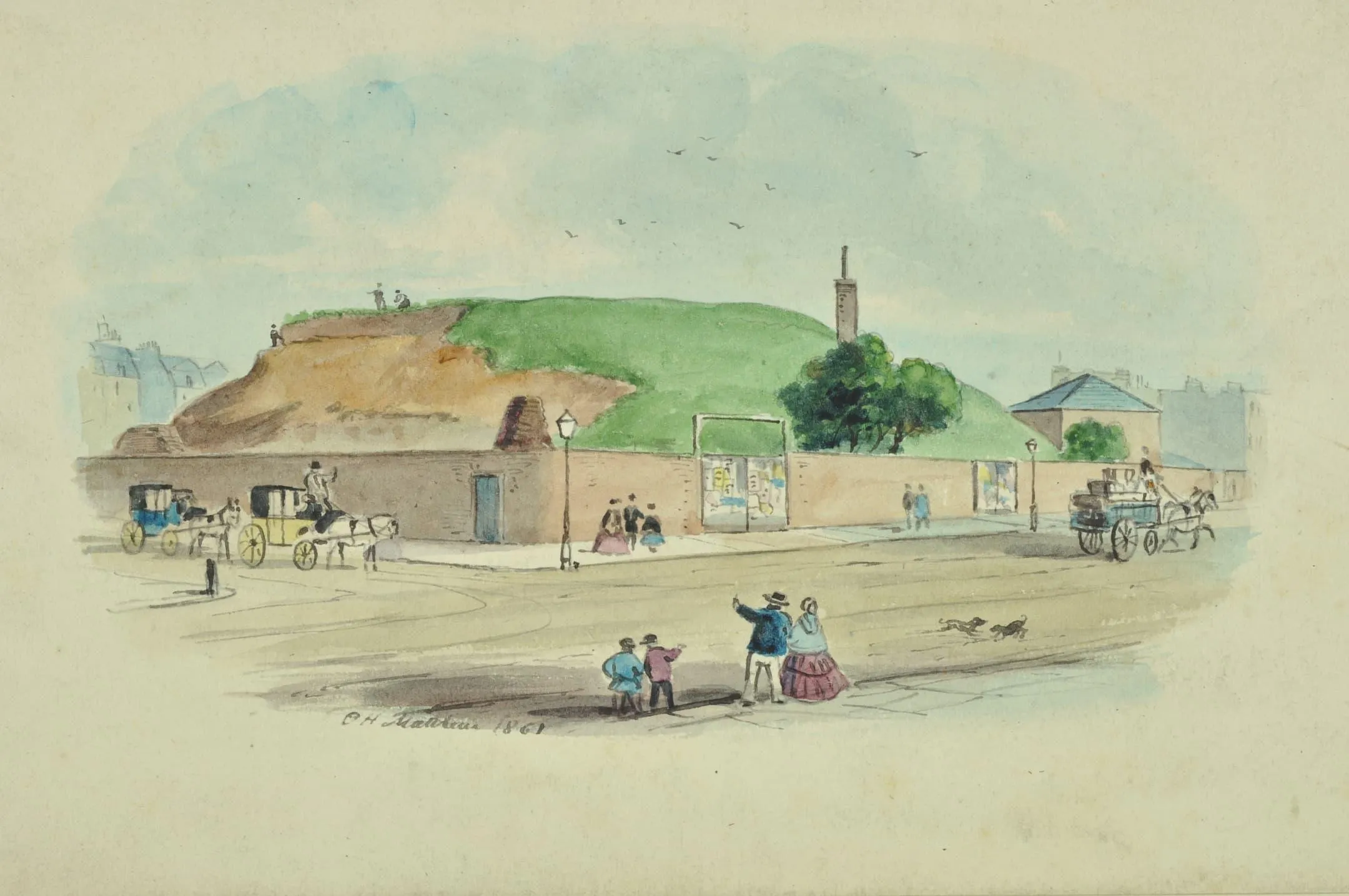
The New River Company estate in Clerkenwell was developed as a residential area in the early nineteenth century, including the church of St Mark, Myddelton Square designed by the New River Company surveyor, William Chadwell Mylne. In 1904 the New River Company (Limited) was formed to take over the property interests of the New River Company in Clerkenwell, Islington, Enfield and other parishes in the vicinity of the New River.
The site of the Quentin Blake Centre for Illustration
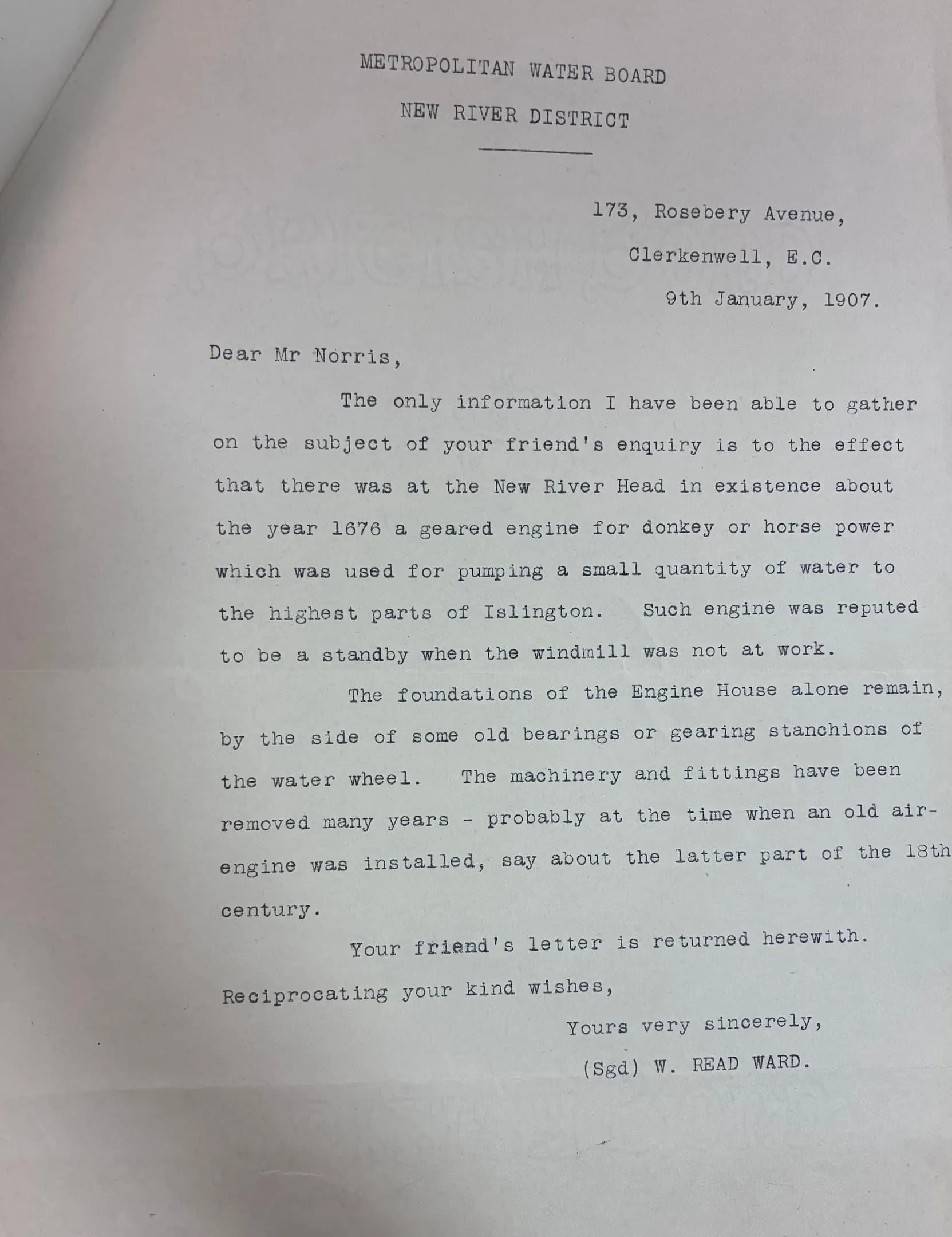
At TLA, as well as researching the extensive history of the New River, you can also find out about the old engine house (built in 1768) which was topped by a huge chimney until 1954, and the windmill base that form some of the structures on the site of the Quentin Blake Centre for Illustration.
Search the archives
You can search for related archives on our catalogue, here we highlight some references of interest:
ACC/2558/NR - series of records concerning the New River Company as a predecessor to Thames Water.
ACC/3499/SL/01/0900 - notes for volumes 46 & 47 of the Survey of London covering South and East Clerkenwell, Northern Clerkenwell and Pentonville. This has a useful collated set of copies of drawings and other information from TLA and other archives such as the Royal Society regarding the New River Head.
ACC/2558/MW/C/15/041 - New River Company: Smeaton's fire engine, notes and reports on the coal consumption of the engine and its impact on the water service 1766-1792
ACC/1953/A/155 - 'Notes in order of date': noting items of historical interest 1601-1895 and including information on Smeaton's Engine of 1767 at New River Head.