

Coroners’ Inquests into Infanticide in Georgian London
Infant mortality was high in the 18th century due to poor sanitation, poverty, malnutrition, infection and disease. A rise in abandoned babies and suspected infanticide became a source of widespread concern, and was closely tied with the vulnerable position of poor, unmarried mothers. How were these cases investigated to differentiate between ‘natural’ and ‘unnatural’ causes of death?
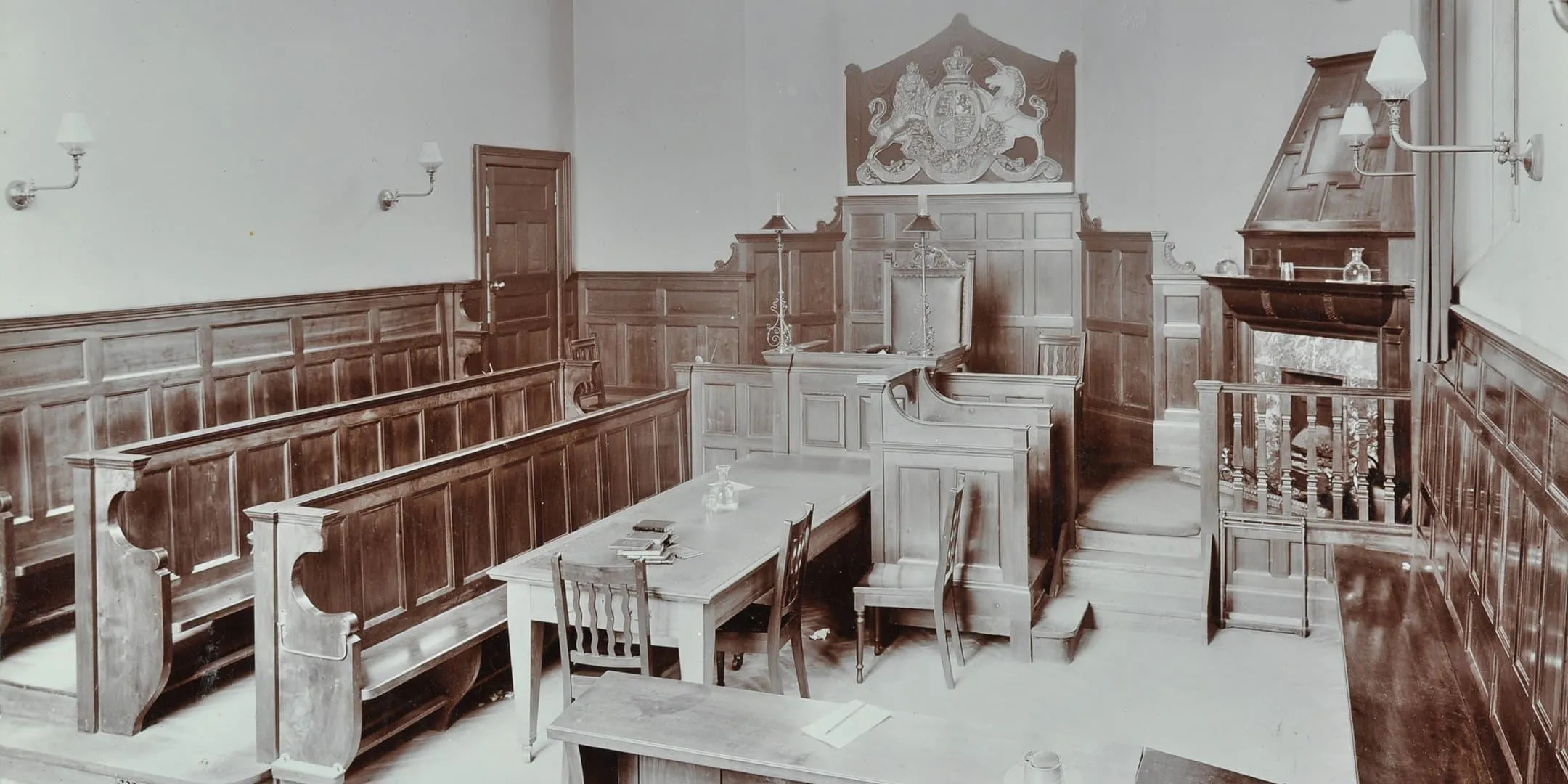
During this talk, Carolyn Paul will share insights from handwritten coroners' inquest records from 18th and 19th century London covering the type of evidence presented at coroners’ inquests and the medical practitioners, employers and families of those suspected of ‘infanticide’. Carolyn will also explore the impact of different laws that may have contributed to the rising number of infanticide cases during this period, and look at how advancements in forensic medicine and using medically trained coroners changed the way that suspected infanticide cases were investigated.
Although many inquests during this period were reported in newspapers or medical journals, the original inquest reports are not always available. Traditionally coroners owned their own inquest reports and there was no requirement for these to be stored independently, so many records have been lost. However, the London Archives holds records of most inquests presided over by Thomas Shelton, coroner for the City of London and Southwark from 1788 until his death in 1829 and his successor, William Payne, who held the post for the next 43 years. An index allows potential cases of infanticide to be identified.
About the speaker:
- Carolyn Paul is a member of the City of London Guide Lecturers Association.