

Clendinning's Islington
Experience the life and designs of architect Max Clendinning inside and around his London home in this unique display of photographs from RIBA and The London Archives as part of our ongoing partnership. Entrance is free during our normal opening hours, everyone is welcome.
Check our opening hoursAs part of LGBTQ+ History Month, this display is the first collaborative collections showcase for RIBA and The London Archives as part of our ongoing partnership.
Viewers are invited to experience the life and designs of architect Max Clendinning as a 'walk' in the area surrounding the home he shared with Ralph Adron at 3 Alwyne Road, followed by a 'visit' inside the house with images of its iconic interiors.
About Max Clendinning
Architect, interior and furniture designer, sculptor and artist Max Clendinning (1924-2020) was a distinctive voice in British post-war modern design
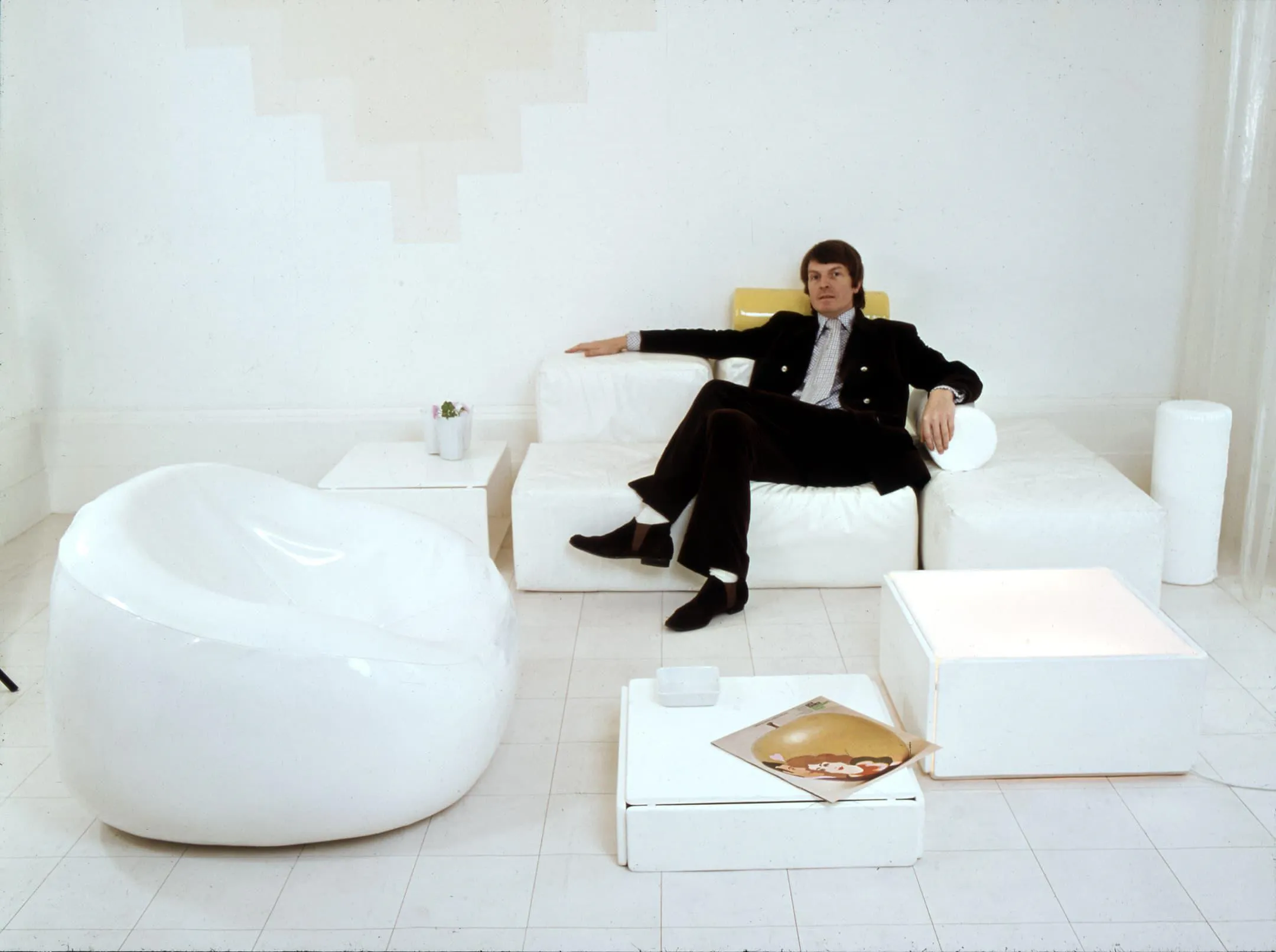
Born in Richhill, County Armagh, where he worked with his father, a furniture manufacturer, Max moved to London in the 1950s to complete his architectural studies. After a period of travel abroad, he returned to London, where he lived with his partner, the theatrical designer Ralph Adron (1939-2023), until his death. Their long term partnership sits at the heart of this story, situating LGBTQ+ lives within wider histories of design, domesticity and place.
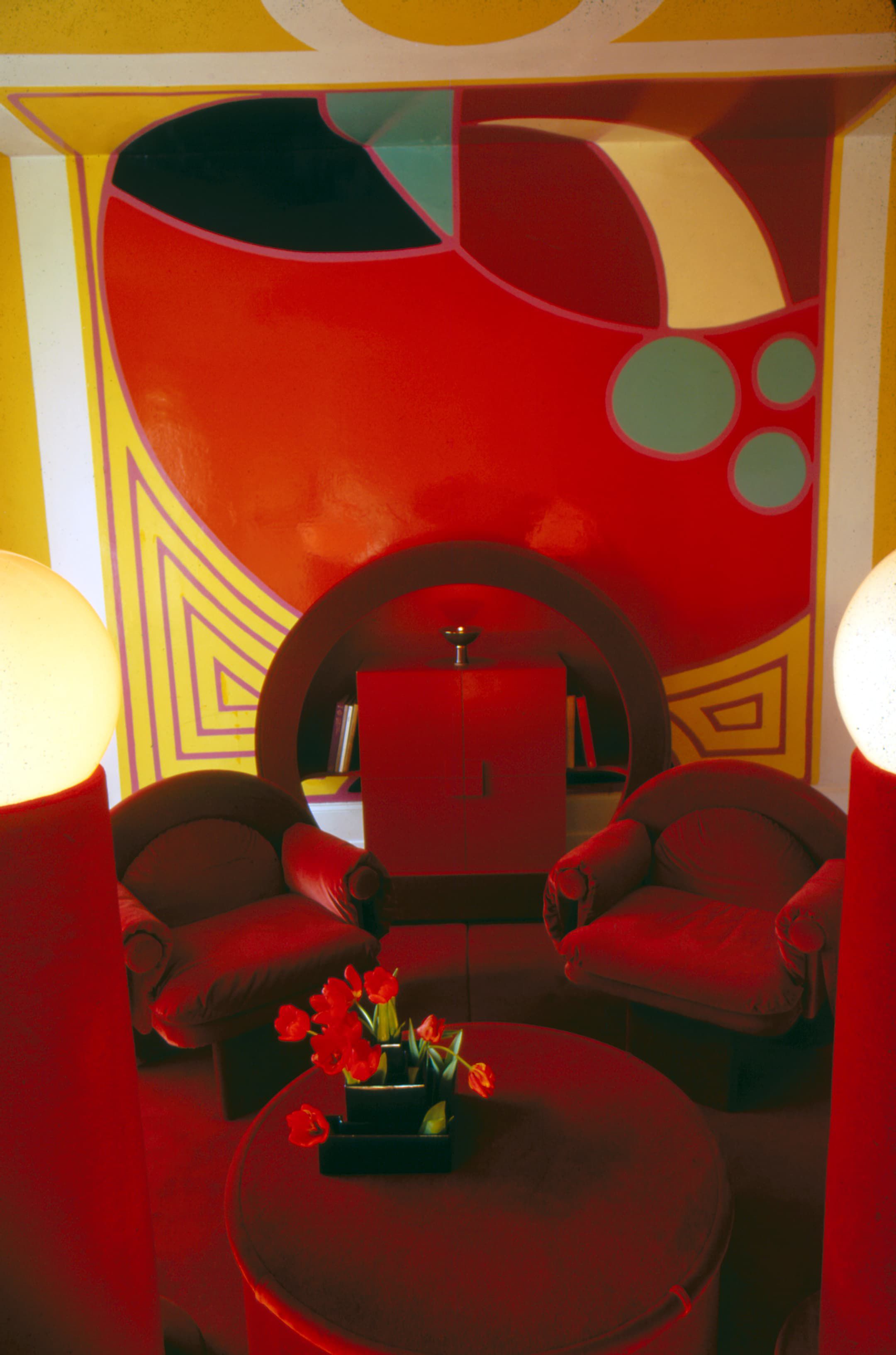
In the early 1960s, the couple moved into 3 Alwyne Road, transforming the Victorian interior into a testing ground for ideas. Shelves were crowded with Cubist-inspired sculptures, while furniture in vivid reds and yellows animated rooms that were both experimental and welcoming. Shaped by collaboration, care and imagination, the house blurred the boundaries between everyday life and modern design.
As a queer domestic setting, it offered visibility and belonging, showing how design can accommodate identity and how chosen spaces can foster resilience and joy.