'Tinker, Tailor Soldier, Spy' by John le Carre
February 2026 - 'Tinker, Tailor, Soldier, Spy' by John le Carre
In February the TLA book group read this classic cold war novel, first published in 1974. It was a treat for our readers, even those who came to it unsure of whether they would enjoy it. The setting, the characterisation and the immersive plot gave many opportunities for discussion and overall, we enjoyed this novel a great deal.
George Smiley
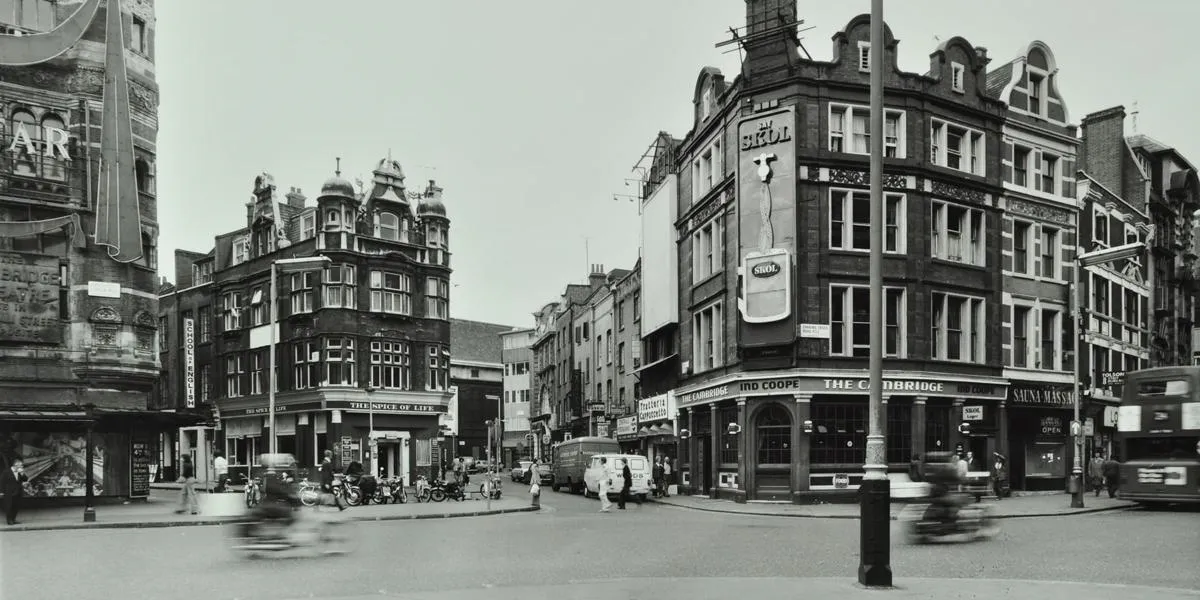
The character of George Smiley, who takes on the challenge of locating the mole in the British secret service, cannot be further away from the glamour of James Bond and le Carre evokes the smoke-filled grey rooms where he is based in Cambridge Circus in memorable terms. This banality is contrasted with the seriousness of the crimes under investigation but also draws our attention to the humans behind this work, and of course it is the human betrayal Smiley suffers that is most devastating.
London in 1970s is equally grey and down at heel. We only see the world of the security service; the dismal hotel in which Smiley hides, his Chelsea home, empty without his wife; the Camden safe-house next to the Regent’s Canal. Life outside the service doesn’t exist for Smiley.
A mirror to the secret service
Many of our readers remembered reading this before and re-reading brought considerable pleasure. The first chapter sets up the whole novel, with the boarding school location a mirror to the secret service; Bill Roach a watcher in making. These are almost entirely male worlds of jargon and rules and we reflected on the lack of women in the novel (though several readers brought in the presence of women from le Carre’s other Smiley novels).
The novel presents us with Britain in miniature, the success of the Second World War long gone, and Britain now a second-class power. Many of the characters express a nostalgia for a time when the service was “trained to empire, trained to rule the waves” in the words of ex-Spook Connie Sachs.
Other recommendations
Several readers recommended not only the two later novels in the sequence but also the work of Mick Herron, who plays with many of le Carre’s themes in his 'Slow Horses' series of novels.
Archive sources
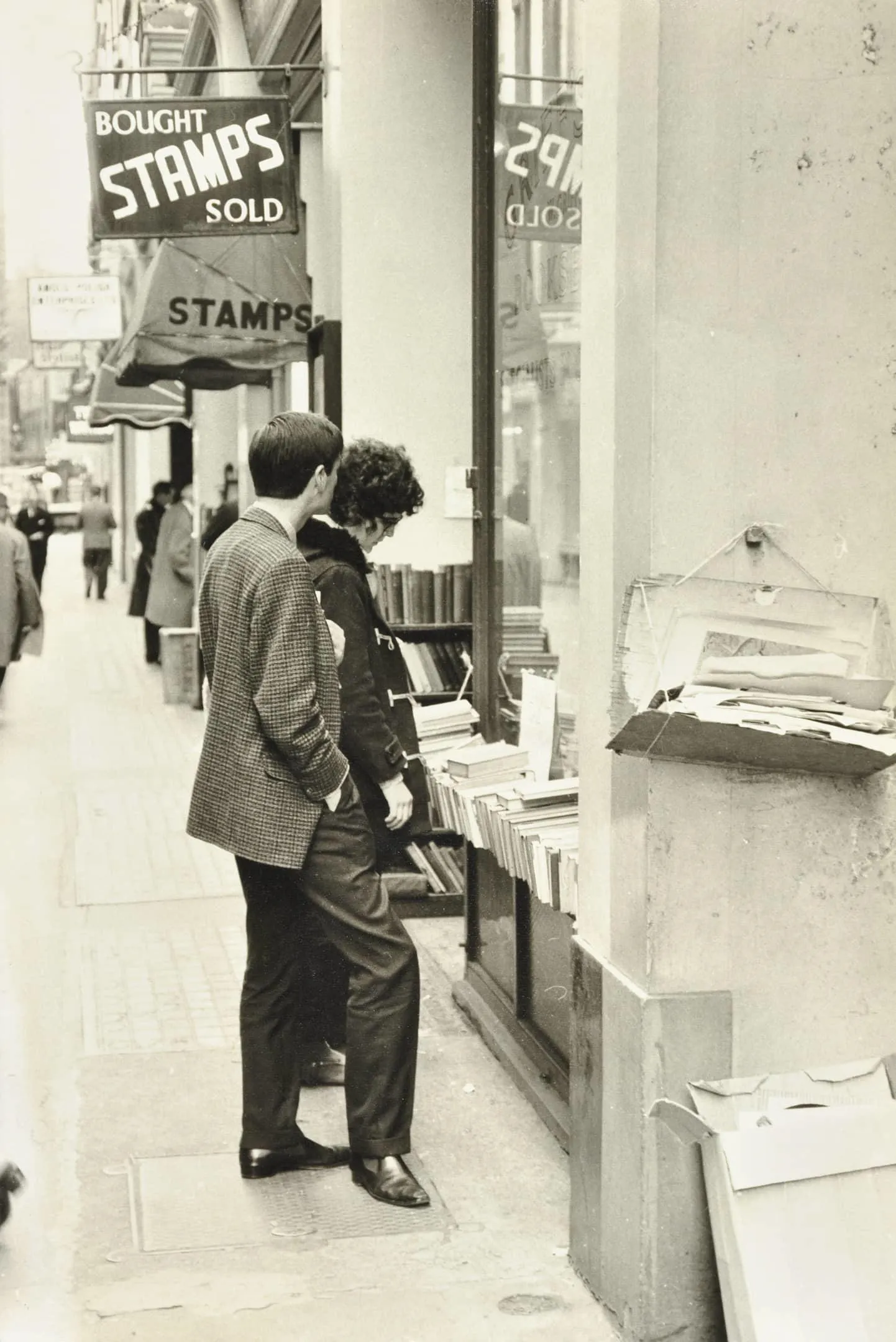
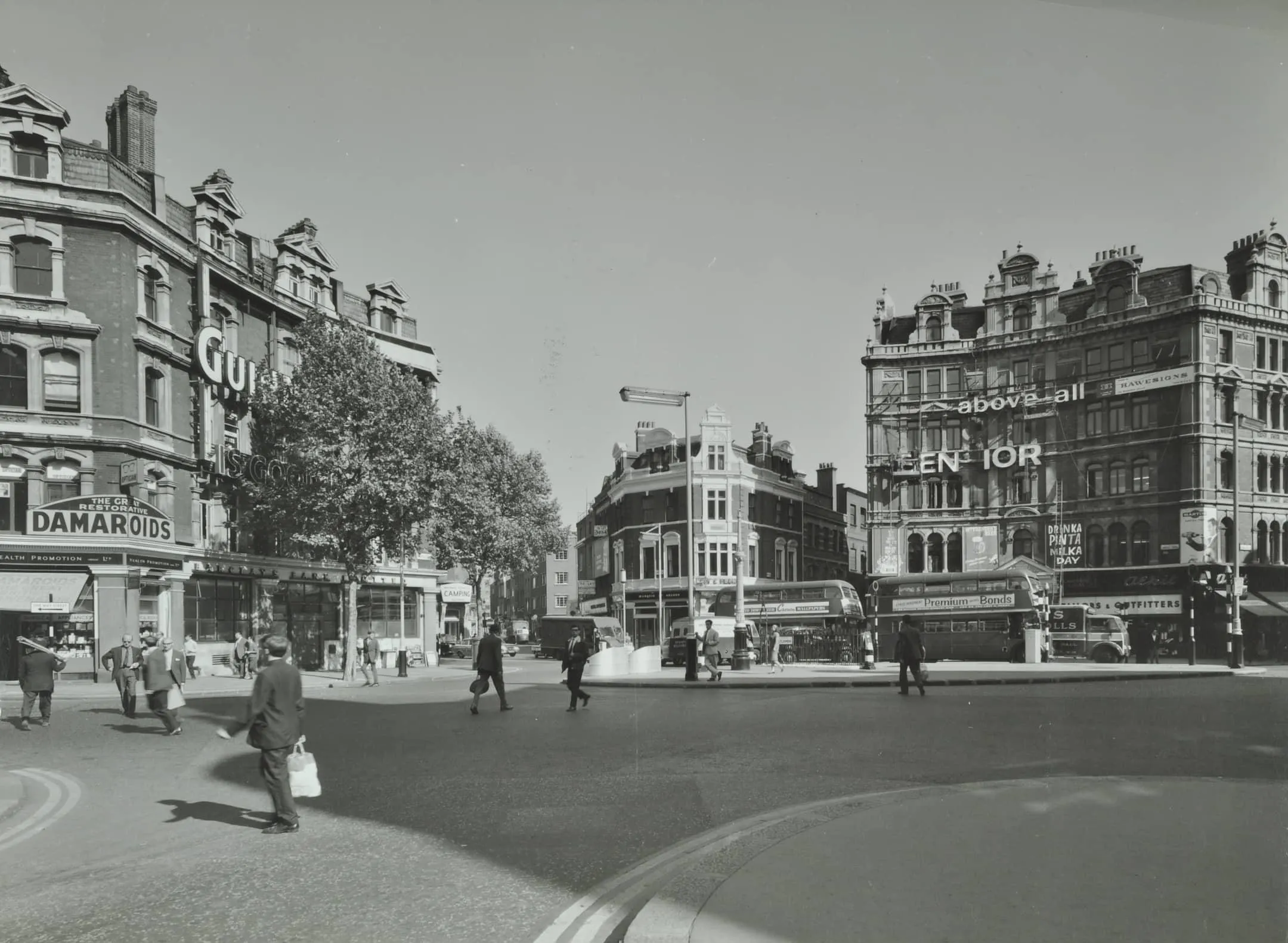
In the session we explored photographs of London from the period which can be viewed on the London Picture Archive.