

Court of Orphans Probate Inventories
Lives of early modern Londoners
When trying to learn more about the people of the early modern City of London, researchers commonly find themselves using the Repertories of the Court of Aldermen held at The London Archives (TLA), or the livery company records at Guildhall Library. These records tell us a lot about the way the City was governed, but also about the people who lived and worked there. However, an often-overlooked court that sat in the Guildhall, the Court of Orphans, whose records are held at TLA, also reveals a lot about life in early modern London. Specifically, the probate inventories of the Court of Orphans’ can tell us about the lives of London’s citizens, their business ventures, and the ways that women were involved in London’s urban economy.
The Court of Orphans
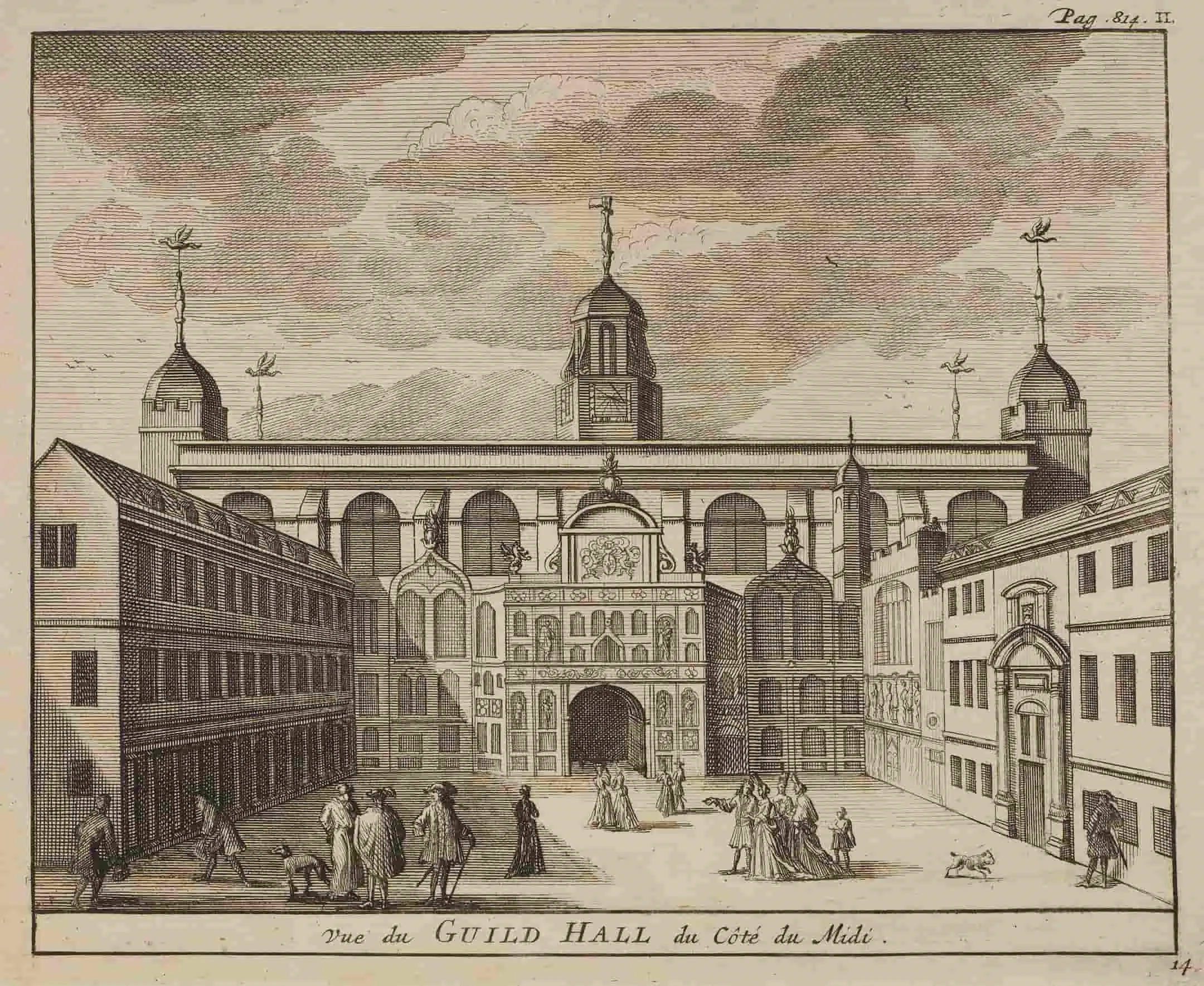
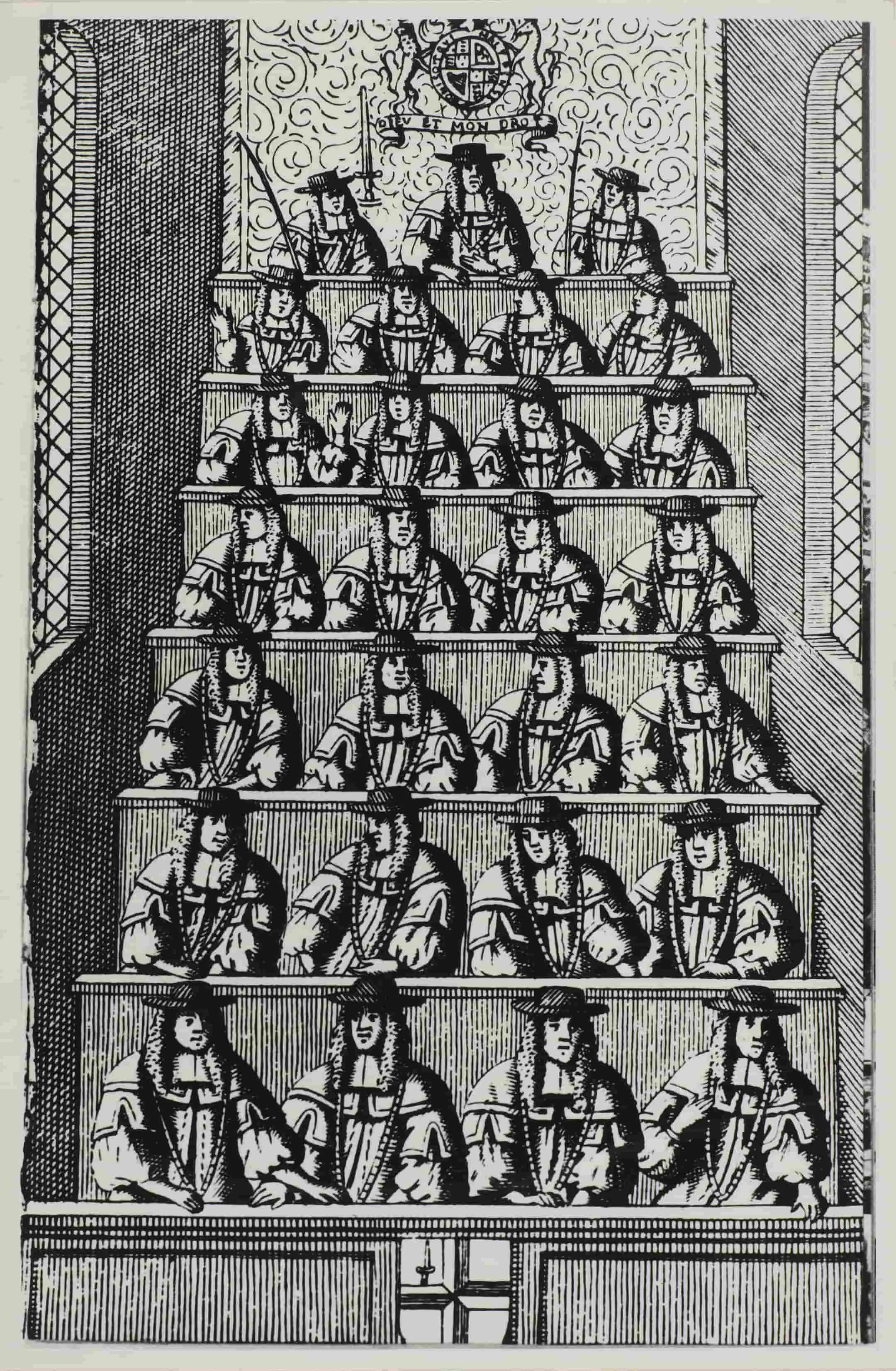
By the mid-sixteenth century, the Court of Orphans was a busy and thriving institution that functioned to look after the orphans of citizens of the square mile. Whenever a member of one of the City’s freemen, such as a draper, fishmonger, or goldsmith, died leaving any underage children, his estate had to be processed by the Court of Orphans, and his children’s guardianship was managed by the City’s aldermen. ‘Orphan’ in this period of the City’s history was defined as fatherless, not parentless, meaning that women feature prominently in the Court of Orphans’ records as widows, mothers, and guardians. The Court’s administrative process was incredibly complex and required guardians and orphans to visit the Guildhall multiple times over a period of many years. This administrative process created a large amount of paperwork, most of which is still held by TLA today, including probate inventories, petitions, and financial accounts.
About Probate Inventories
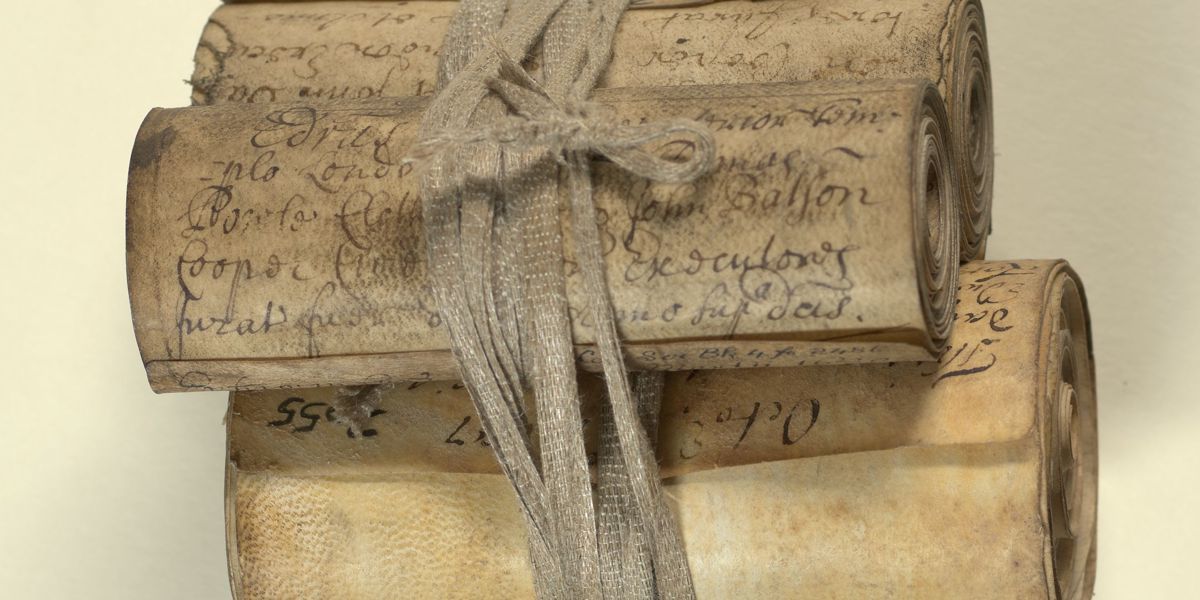
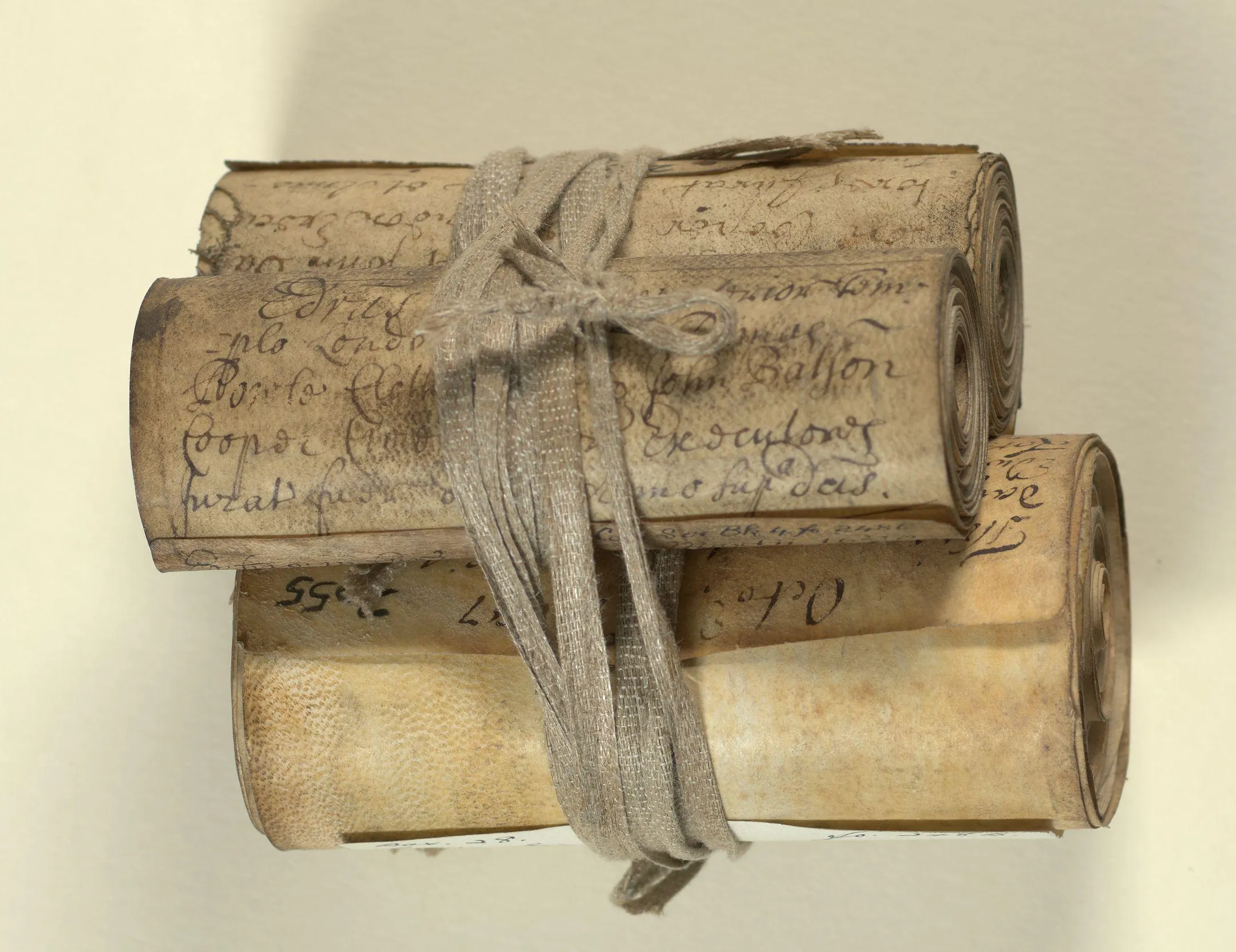
The probate inventories are by far the most used record of the Court of Orphans. They were drawn up shortly after a person died, and then brought to the Guildhall for examination by the City’s common serjeant. They list everything a person owned at the time of their death, from furniture and clothing, to crockery and money. The collection contains over 3300 probate inventories dating from 1660 to 1750, most of which record the estates of men, but about 110 show the estates of women who were the guardians of City orphans when they died. The inventories are made up of pieces of parchment that were sewn together and tightly rolled into bundles, with the name of the testator written in Latin on the reverse. While some are made up of one strip of parchment, some like the probate rolls of Elizabeth Stevenson are dozens of metres long. Some stretch the entire length of our Archive Study Area!
These probate inventories are incredibly rich and can be used by researchers to learn more about the items that people owned, the businesses they were running, and even the amount of debt they were in when they died. For example, the probate inventory of Prudence Wood (CLA/002/02/01/1631) from 1678 reveals that she lived on Lad Lane near Guildhall, she ran a business working as a milliner (which in the early modern period was a person who sold ready-made items of clothing, rather than exclusively a hatmaker) and had over £6000 owing to her in business debts when she died. Similarly, the probate inventory of the vintner Henry Kellett from 1711 provides rich detail of his public drinking house, The Ship Tavern behind The Royal Exchange on what is now the site of the Bank of England. The tavern had several drinking rooms with 41 tables, two rooms at the top for the live-in ‘drawers’ who served the drinks, and over 50 gallons of wine and sherry in the tavern’s cellar, totalling over £1300 in stock.
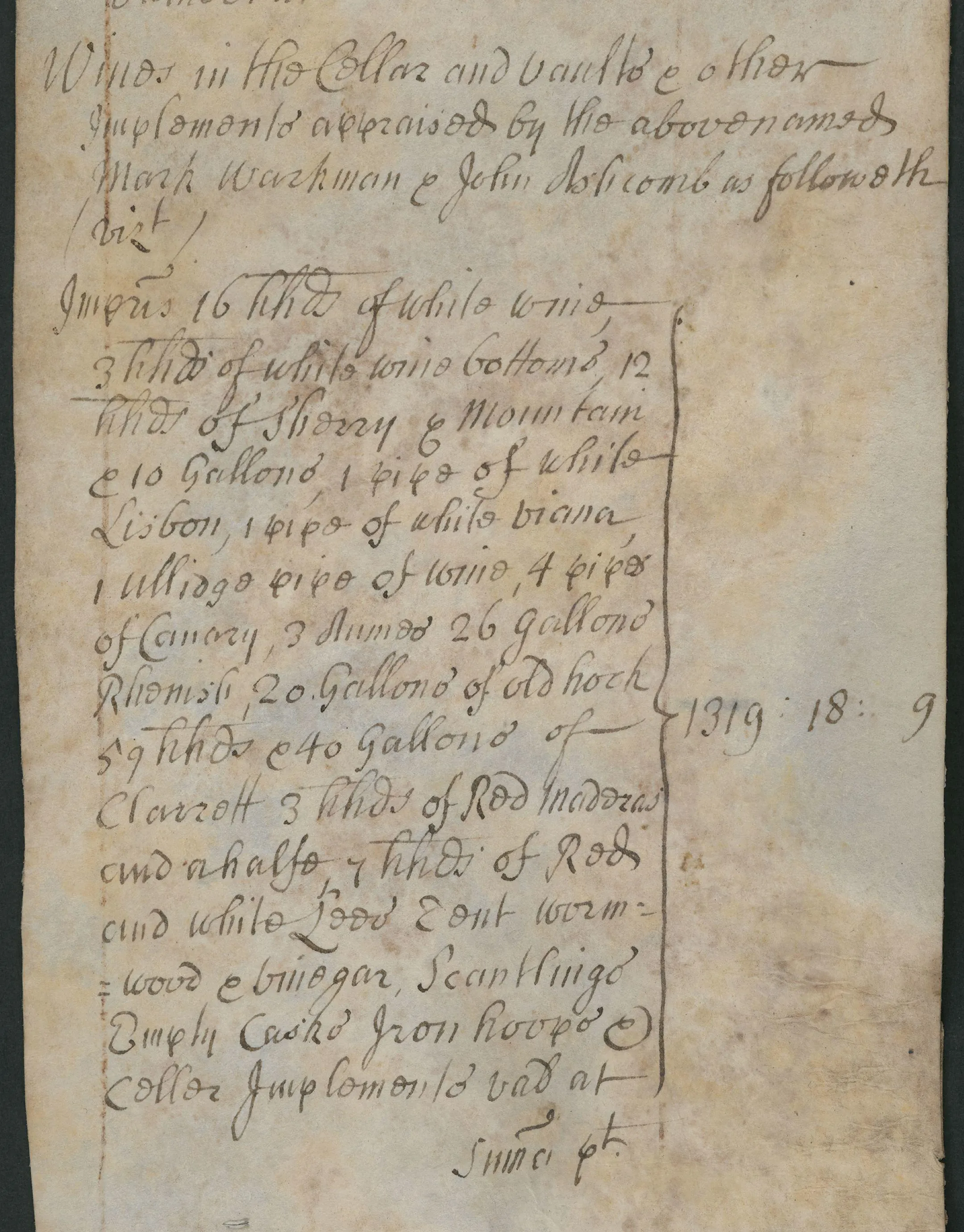
The probate inventories also contain incidental, and sometimes sad information about people’s lives and misadventures. We know that the widow Anne Deacon died in or before 1675 after drowning in the Thames, as her inventory lists a payment of 10 shillings to a river waterman who ‘searched for [and] tooke up the body of the intestate’ (CLA/002/02/01/1049). Similarly, the tallow chandler Katherine Wilkinson had only recently taken on a new apprentice when she died in 1666, as the apprentice’s father petitioned to be reimbursed for the sum he paid for the apprenticeship (CLA/002/02/01/0644). The widow Grisell Reeve had previously run a failed carpentry business with her brother-in-law, as her inventory lists £530 debts that the pair racked up and were owing by the business.
The Court of Orphans probate inventories remain some of the most detailed inventories to survive from the period, and they provide a unique insight into the everyday lives of working early modern Londoners.
Further reading
We have a number of books in our reference library that can provide help with your research including:
- The Court of Orphans by Charles Carlton - library shelfmark 21.52 CAR
- Making of the English Middle Class : Business, Society and Family Life in London, 1660-1730 by Peter Earle - library shelfmark 40.3 EAR
For more information about the records of the Court of Orphans see our research guide:
Court of Orphans - Research Guide