The Fountain in the Forest: Tony White
April 2026 - 'The Fountain in the Forest' by Tony White
White’s novel led to plenty of discussion amongst the group in the April meeting, and also a fair bit of disagreement, and as such we were still picking apart this novel long after the end time of our online session, which is always a good sign.
A detective novel
'The Fountain in the Forest' masquerades as a detective novel, with the hard-boiled Rex King an entertaining but ultimately unreliable narrator. King’s narrative, investigating the death of a man backstage in a West End theatre, comes abruptly to a halt midway through the novel, and we are transported to the story of JJ and his time in a commune in the south of France at some point in the distant past. The end of the novel sees these two strands brought together.
Crossword clues
These narratives are bolstered by a set of broader textual games using crossword clues and the French revolutionary calendar, which alerted us to the fact that this isn’t a normal police procedural. While some readers thoroughly enjoyed White’s adoption of the strategies of Oulipo, others found them irritating and distracting, and the group had to agree to disagree.
Semi-abandoned village commune
We did agree on White’s capacity as a great writer of place. His London is incredibly specific but evocative though it was the south of France that caught the imagination of the group, where White’s semi-abandoned village commune is set. Readers were also intrigued by the time frame of the novel, set in the ninety days between the end of the Miners’ Strike and the Battle of the Beanfield, a moment of subcultural history that has largely been forgotten.
The fact that we couldn’t stop talking about this novel suggests White is onto something, and arguably, the balance between frustration and intrigue kept out readers’ attention.
Theatre Royal
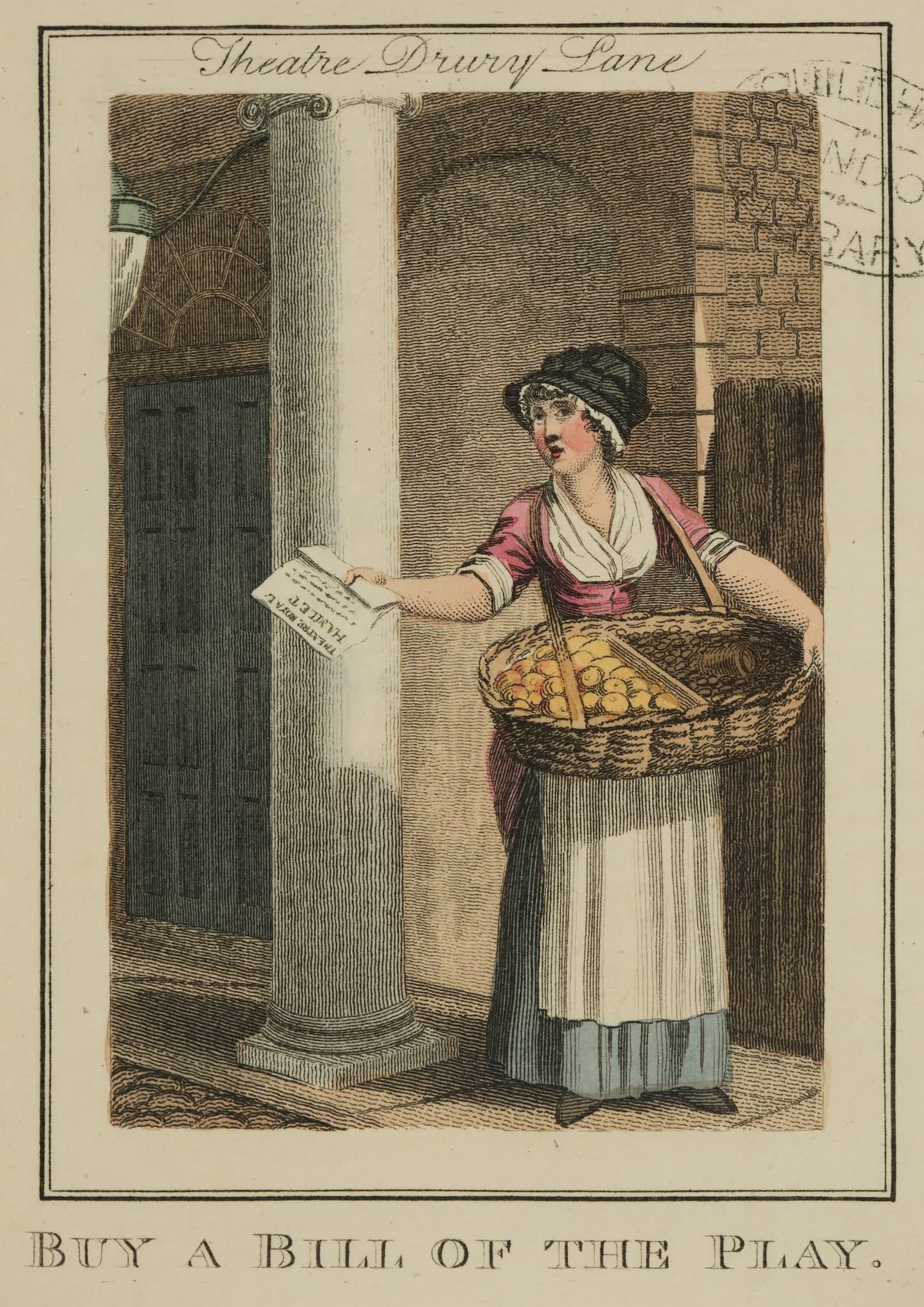
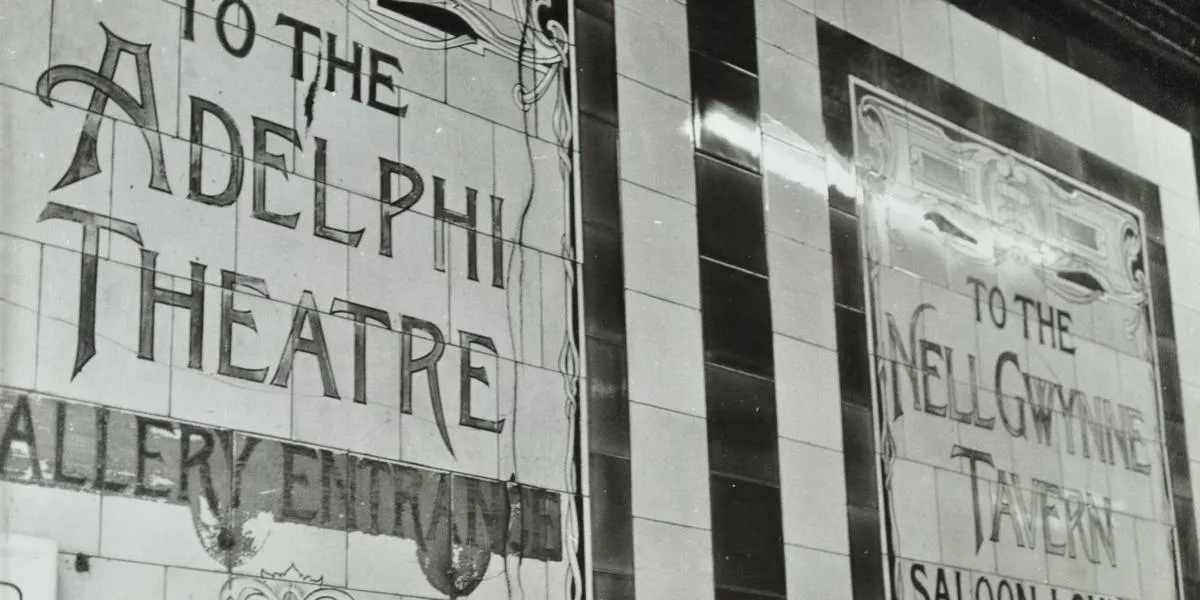
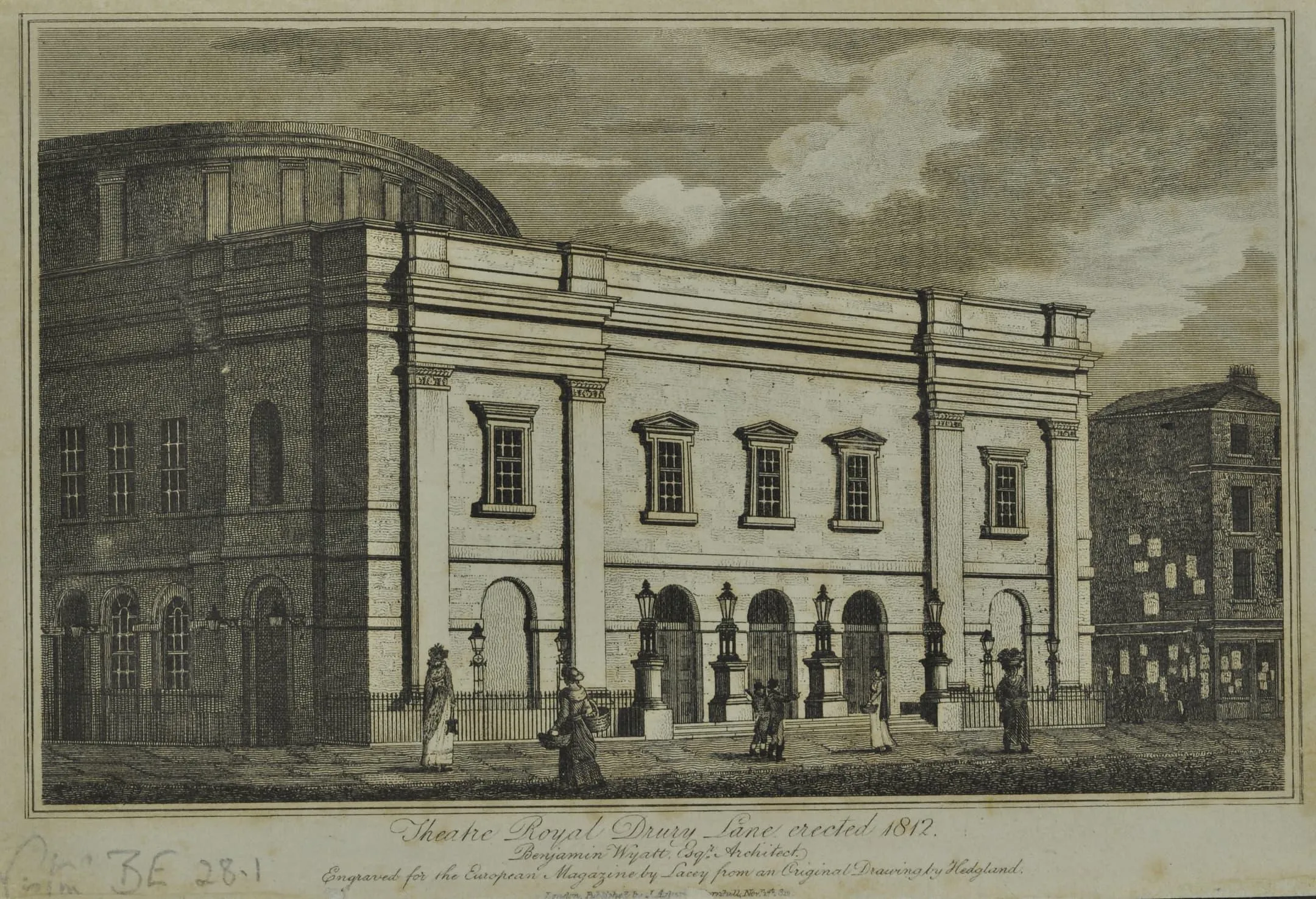
The theatre location of one of the novel’s murders, which takes place in the backstage of a version of the Theatre Royal, Drury Lane was the inspiration behind the document display. We looked at the records you could use to research the history of this theatre, and others.
Archive sources
The bulk of the records at TLA relating to the Theatre Royal date from 1791. Papers relating to the site of the theatre are within the series of records from the Bedford Estate (reference: E/BERCG).
Find out more about researching theatre history within our 'Theatres and Music Hall Records in London Research Guide':
Theatres and Music Hall Records Guide