'River' by Esther Kinsky
May 2026 - 'River' by Esther Kinsky
This atmospheric novel by German writer Esther Kinsky made us consider our expectations of fiction, and gave us an appreciation of the evocative landscapes of the River Lea. In this novel, our protagonist’s walks along the River Lea activate memory and unlock images from the past, associated with other rivers.
The River Lea
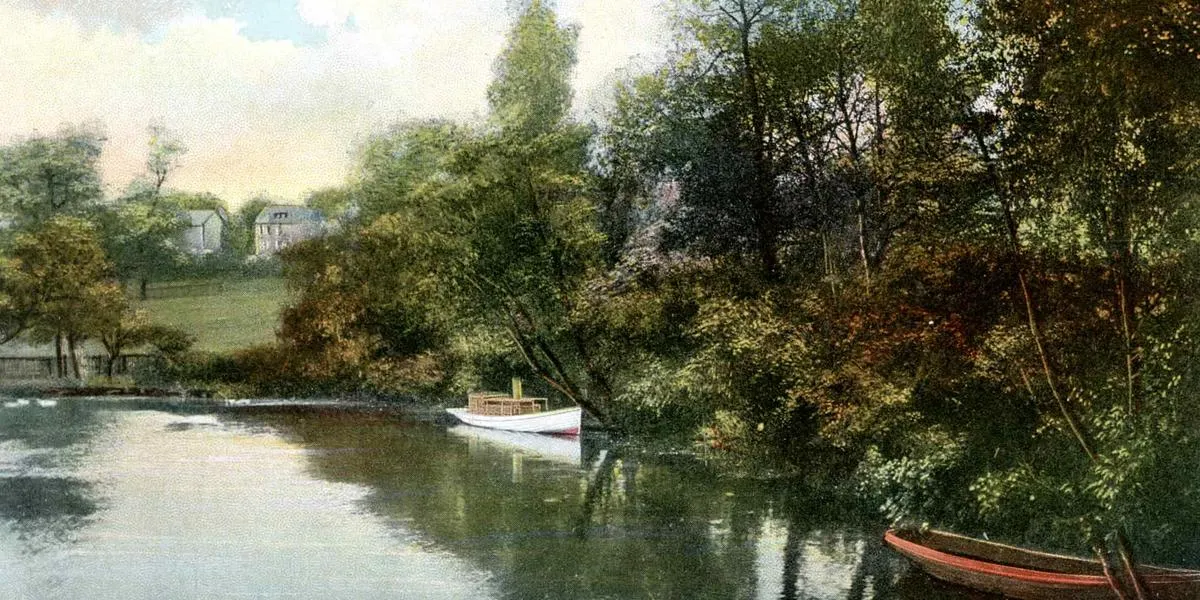
The River Lea runs from Bedfordshire through north-east London, down to Bow in the east and then to the River Thames. Those walking the Lea find a landscape that is occasionally pastoral, but often industrial. Sometimes picturesque, the river runs below flyovers and past scrapyards and its liminal spaces have been an inspiration for numerous writers and artists.
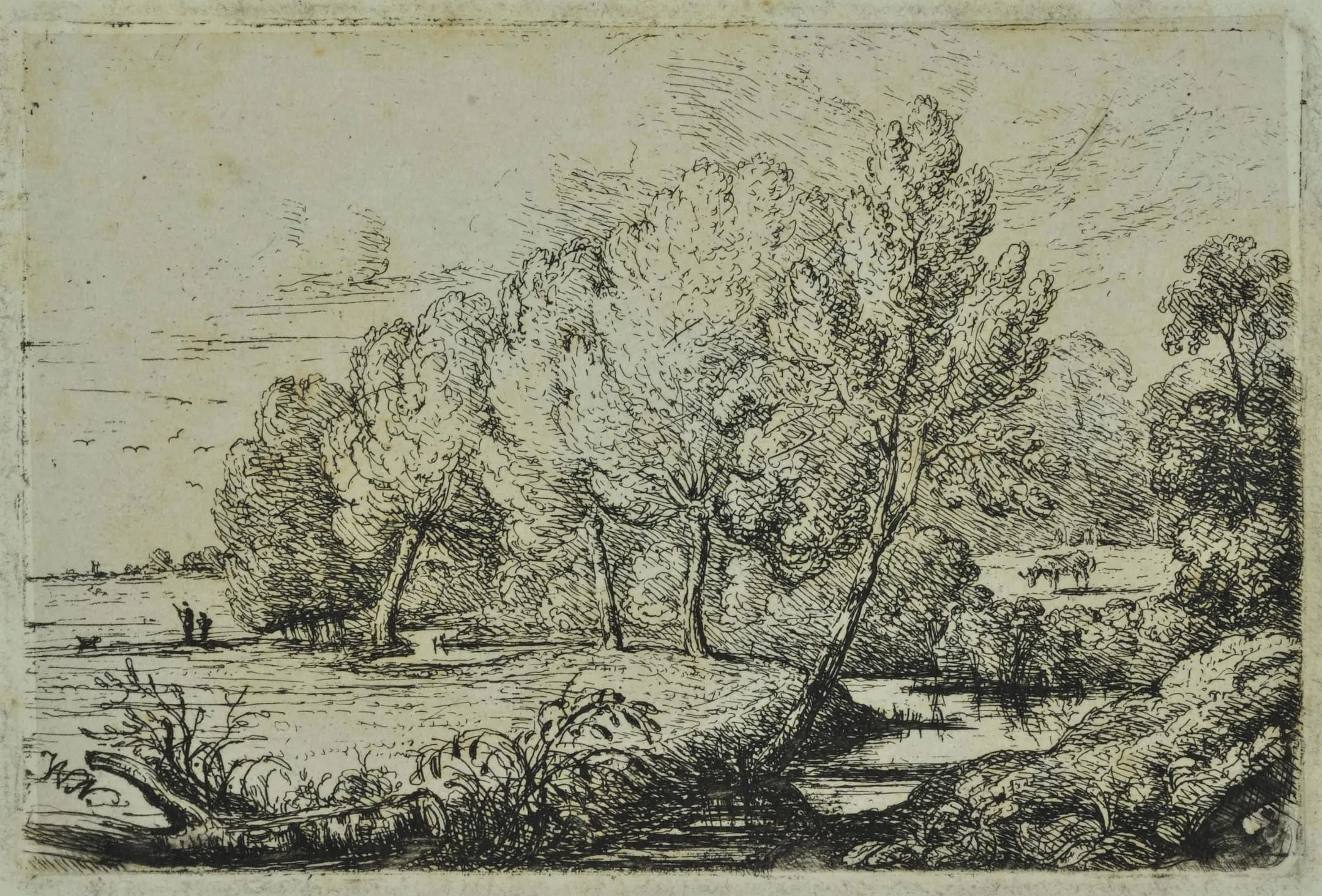
Readers – especially those who knew the Lea – found the atmospheric descriptions immersive. Many of us commented at the slow pace of the narrative that made us read with care. The plot is fragmentary and despite a tight structure, the incidents described as vignettes. Some readers were frustrated at how little we were told about the narrator’s past, and the way in which certain threads weren’t pulled together. However, this is a novel where things are in flux. Our narrator’s stay in London is temporary, and as readers our insight into her world is too.
Element of the surreal
The novel contains an element of the surreal that keeps the reader alert and blurs the timescale, as a result it can be hard to ascertain when events took place. As a group we enjoyed the encounters the narrator has with her neighbours –which include the proprietor of a charity shop, a man she calls the King, the pool players in a local bar. Many of the people she watches are Jewish and there are numerous references to post-war Germany that suggest that our narrator is not only considering her own memories, but the traumatic memories of Europe and the communities she lives among. This is a novel that is a challenging read, but one that can be very rewarding.
Archive sources
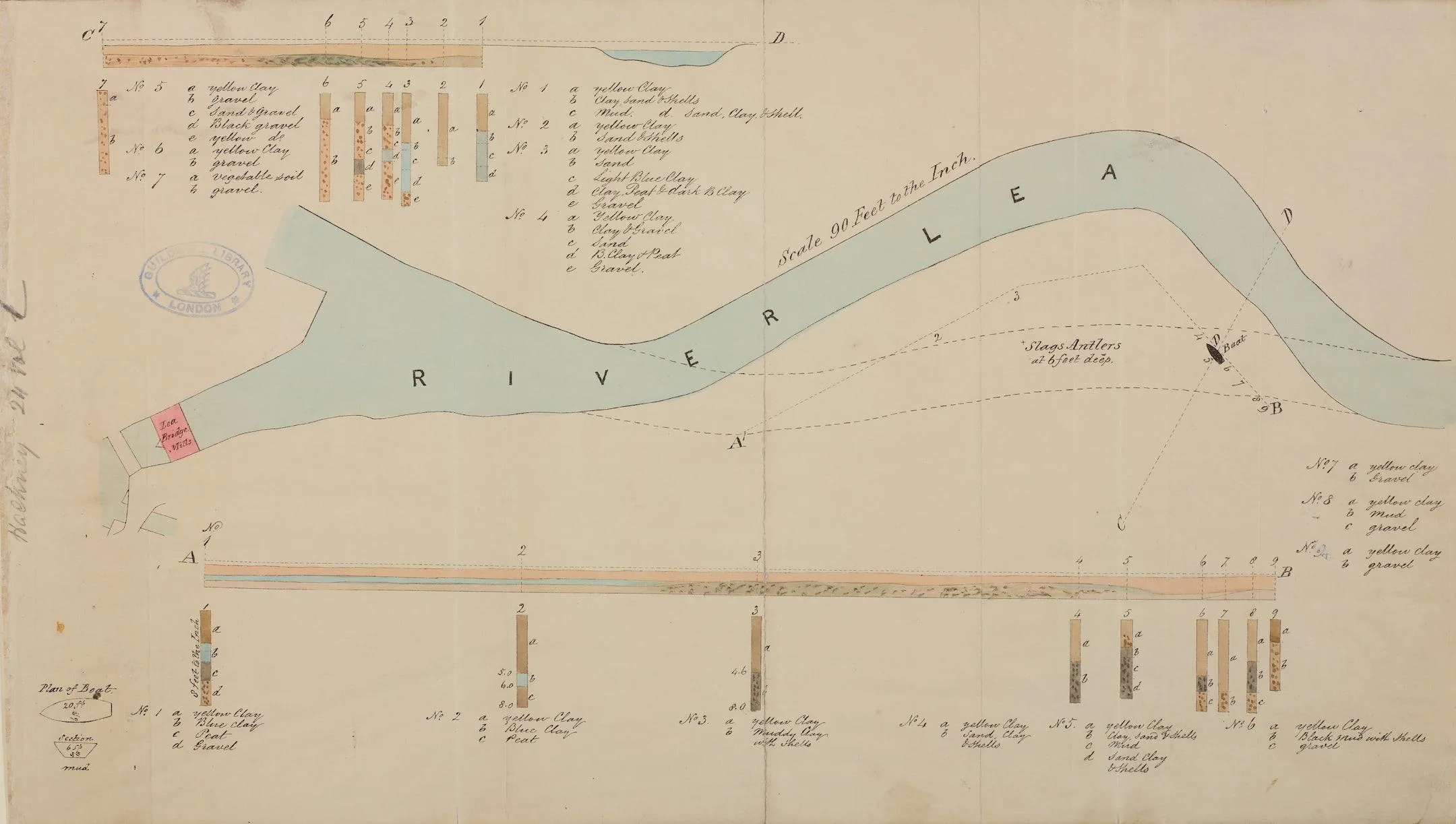
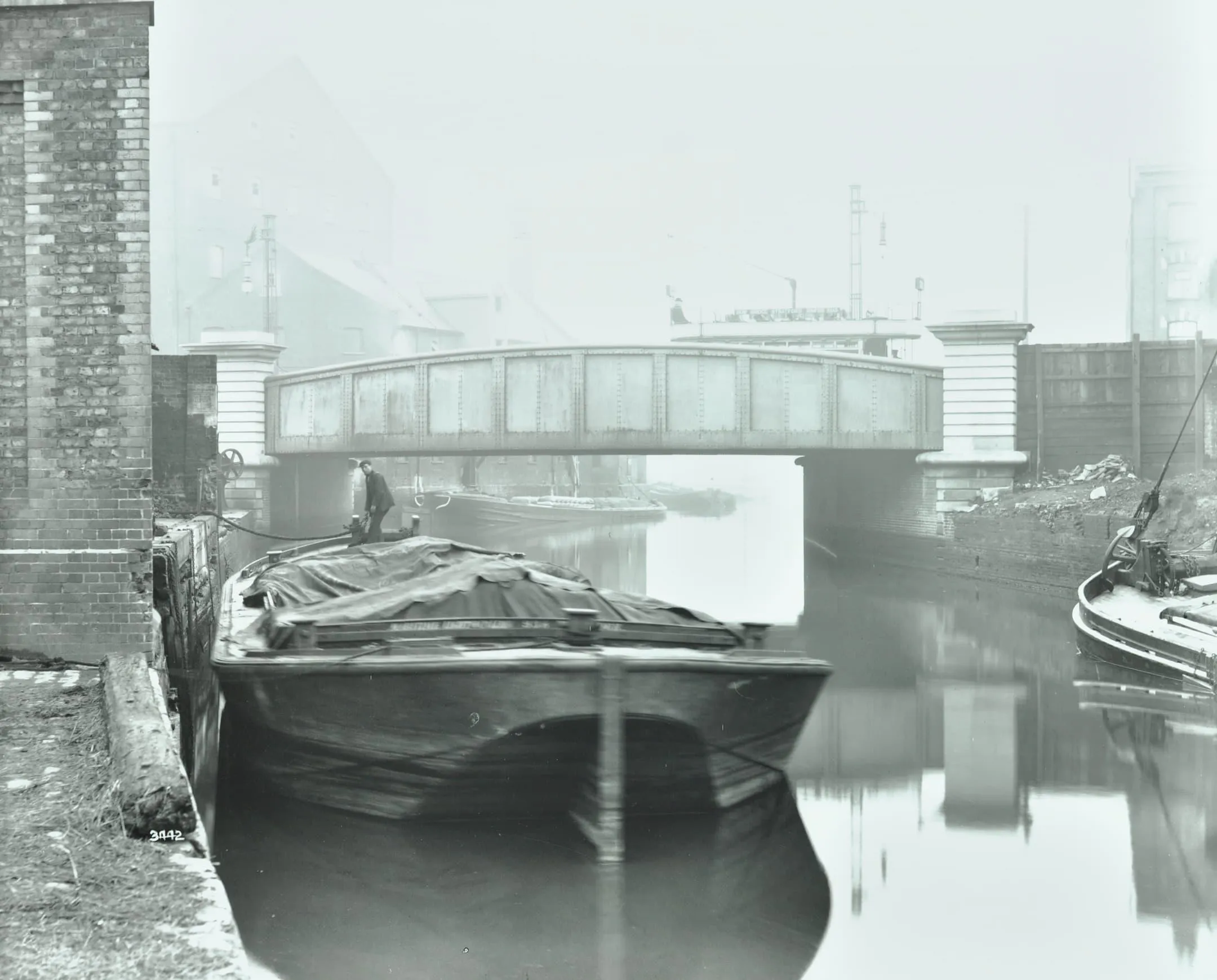
For the document display part of the session we looked at the records we have at TLA relating to the River Lea, particularly the rich archive collections of the British Waterways Board, Thames Water and the New River Company.