'Original Sin' by P.D. James
July 2026 - 'Original Sin' by P.D. James
Original Sin by P.D. James was published in 1994, and despite James’ reputation as a queen of crime writing, various elements of the book left the group wanting more.
A locked-room mystery
This is a classic locked-room mystery; a macabre death in a publishing house with a cast of suspects but it becomes something more – a revenge plot originating in the darkest days of the Second World War.
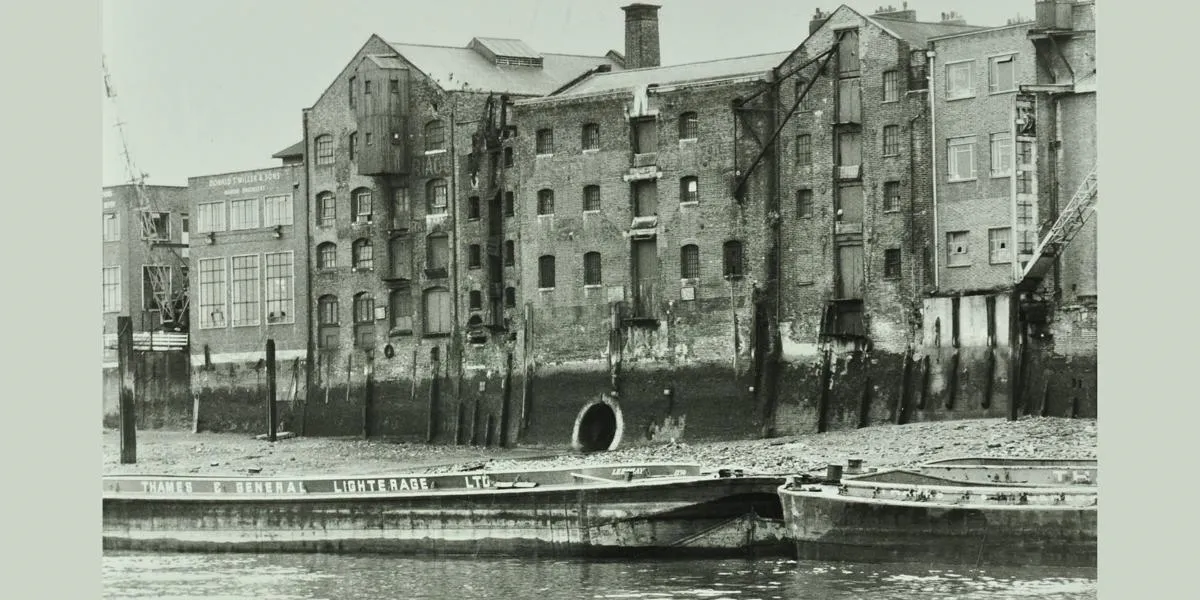
Firstly, the positives. The group did enjoy the rich descriptions of London and particularly the River Thames, which weaves through history and the plot to good effect. James is interested in the psychological lives of her characters as much as the complexities of narrative, giving us rich back-stories and descriptions to keep us guessing about potential motivation. Mandy, the motorcycling temp who allows us to see the company from the inside out is a particular highlight. We only get a glimpse of famed detective Adam Dalgliesh but what we get is cerebral and commanding and Kate, his deputy, brings her own background to the novel. Readers felt there were echoes of some of the Golden Age greats – Agatha Christie and Dorothy Sayers were mentioned.
Handling the subject of Judaism
There were a few areas in which readers felt the novel fell down. Several readers felt it was too long, with too much padding. Pace is an issue here, particularly at the end when all of the loose ends were tied up rapidly without much analysis. We were surprised at how dated a novel from the 1990s could be – some of the sexual politics struck an off note. There was also the handling of the subject of Judaism; firstly, detective Daniel’s own Jewish heritage, and then the role of the Holocaust in the plot. It felt questionable and clumsy at best and made several readers uncomfortable.
Publishing at a time of great change
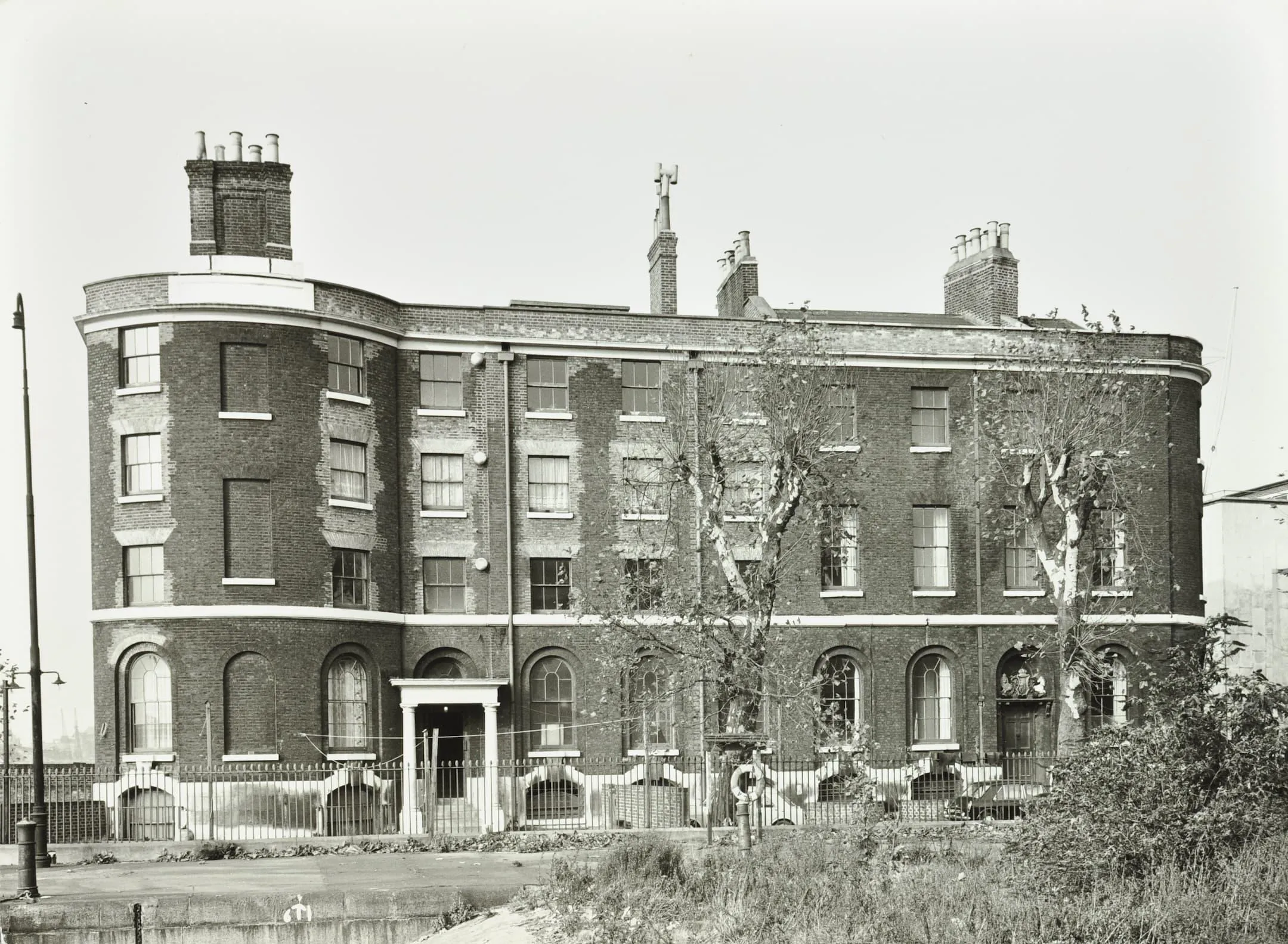
There are things to enjoy in this novel. The world of publishing at a time of great change is vividly described as is the fictional location of the publishing house and its striking architecture. And of course, the archive has a starring role. But for those new to P.D. James we might recommend one of her earlier titles.
Archive sources
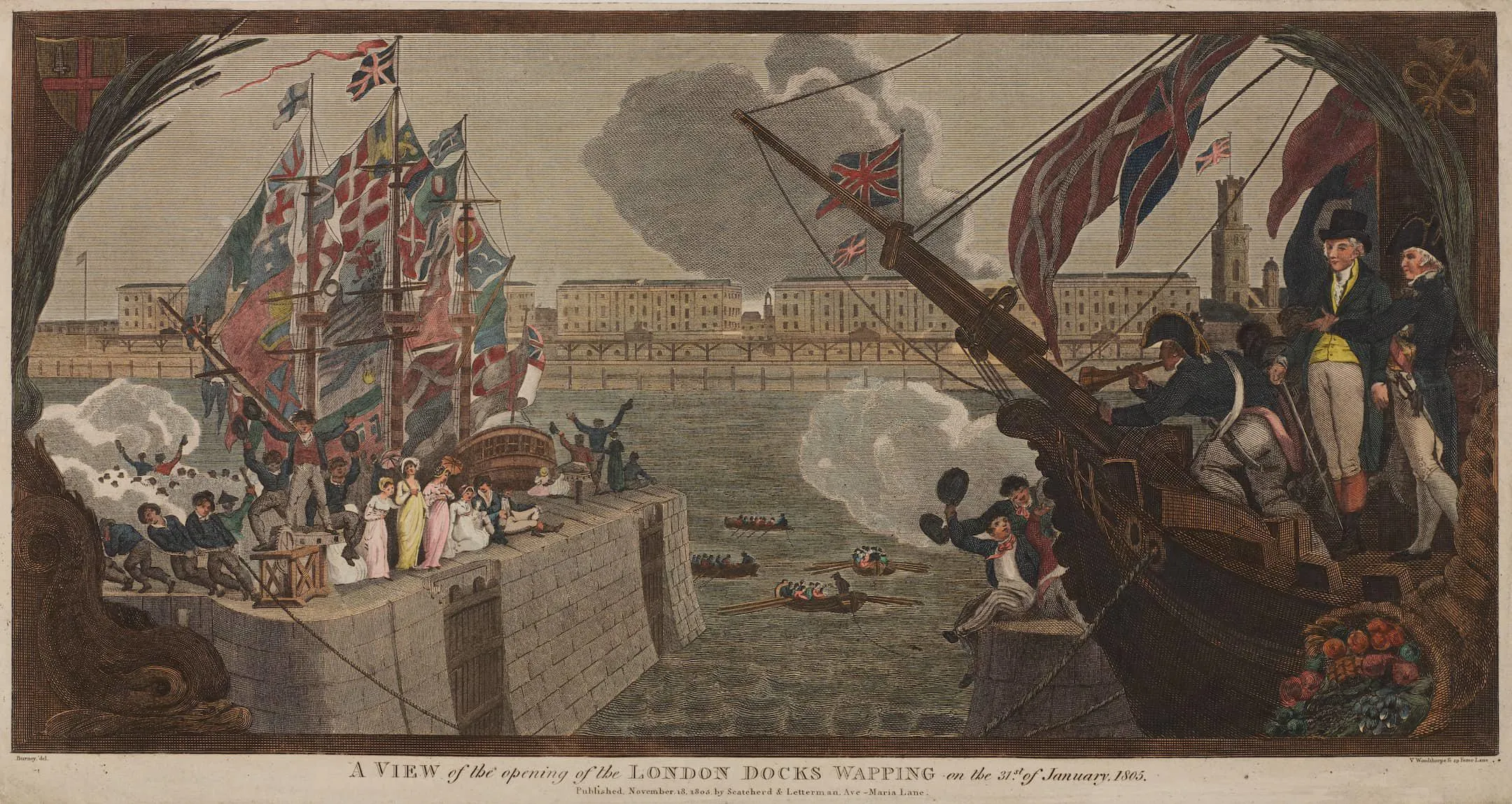
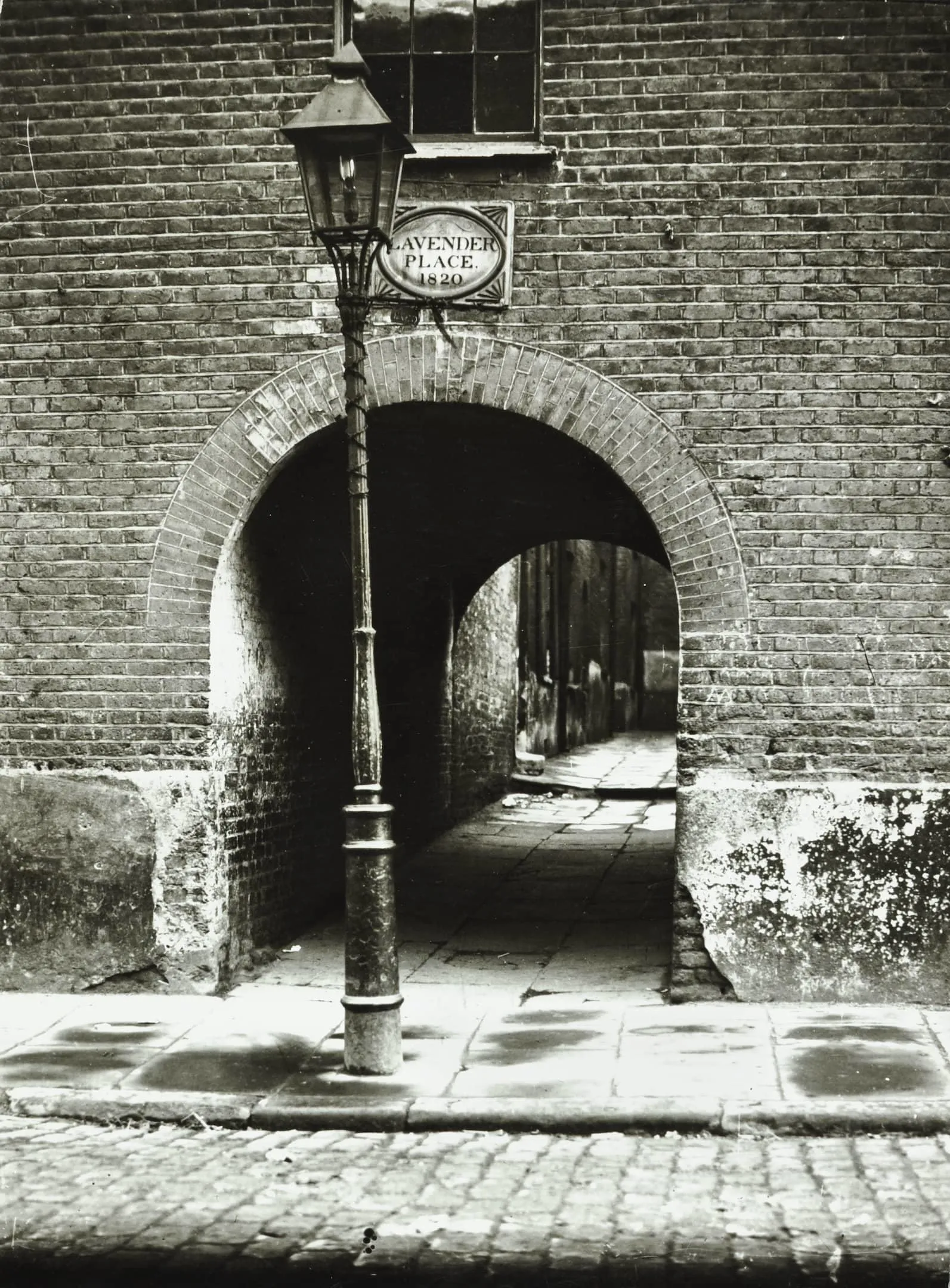
The group looked at images and maps of the London Docks from the eighteenth century up to the twentieth century. Wapping is an intriguing location for Innocent House, the headquarters of Peverell Press. Although this area underwent rapid gentrification in the 1980s and 1990s, there has never been a single building as grand as that described – this was an area dominated by shipbuilding and the London Docks.
Discover sources on our catalogue that relate to the London Docks.
Search the catalogueA magazine, 'Building Design' (edition June 3, 2011) was also shown in the session regarding the proposed development of the London Bridge site in the 1990s. This was from the RIBA Library collections which are currently being hosted at TLA.
RIBA collections at TLAWhilst the development of the London Docks industrialised this small riverside parish, the riverside retained some of its atmosphere and has been of interests to artists.
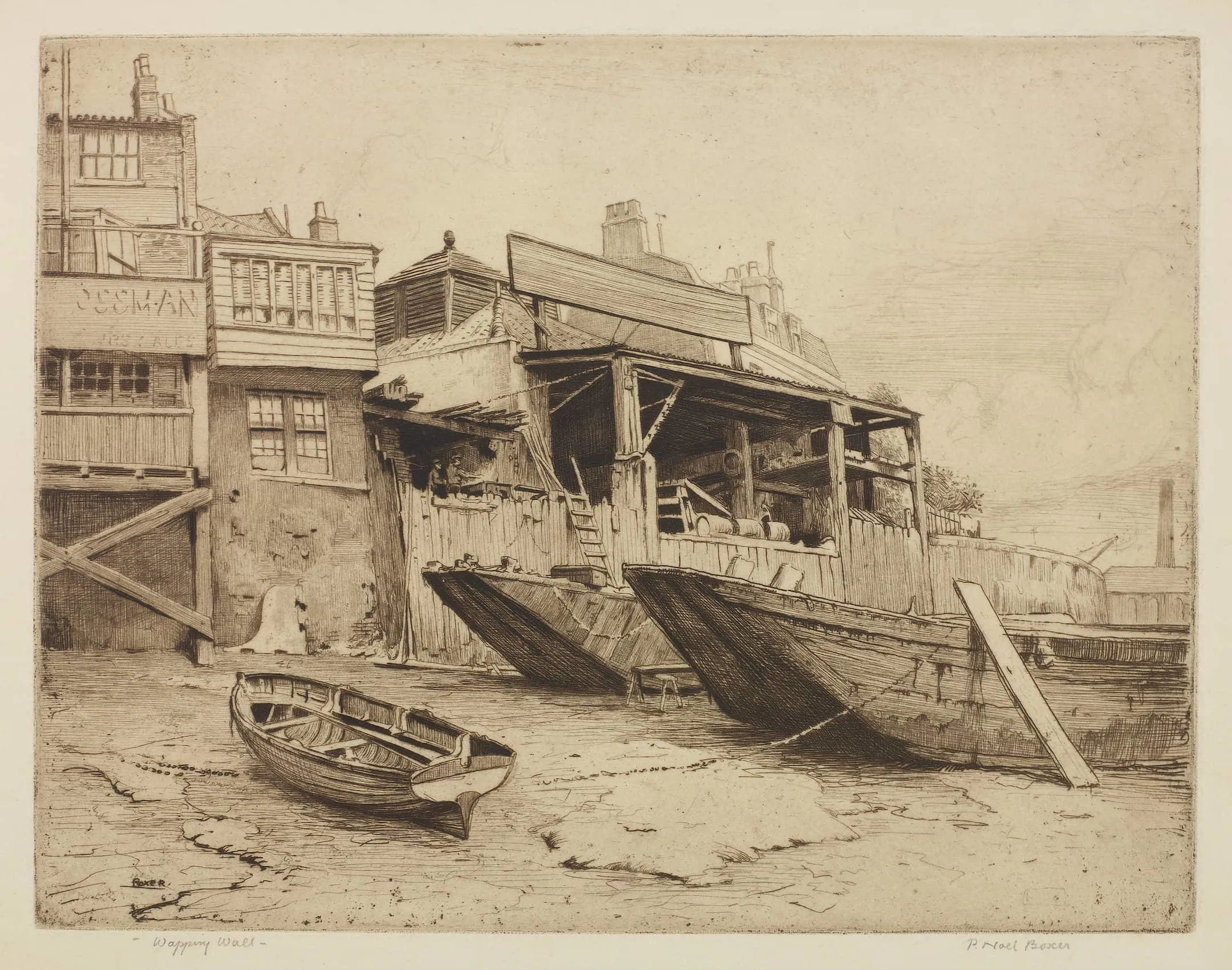
Search the London Picture Archive
You can search for images on the London Picture Archive relating to Wapping and the London Docks.
Search the London Picture Archive