

Moll Cutpurse - celebrity villain
Moll Cutpurse
Mary Frith (1584-1659), also known as Moll Cutpurse, is an early example of a celebrity villain. Intriguingly, it wasn’t her crimes alone that scandalised London, but her form of dress and habits – namely, that she dressed as a man.
She was a great libertine, she lived too much in common to be enclosed in the limits of a private domestic life.
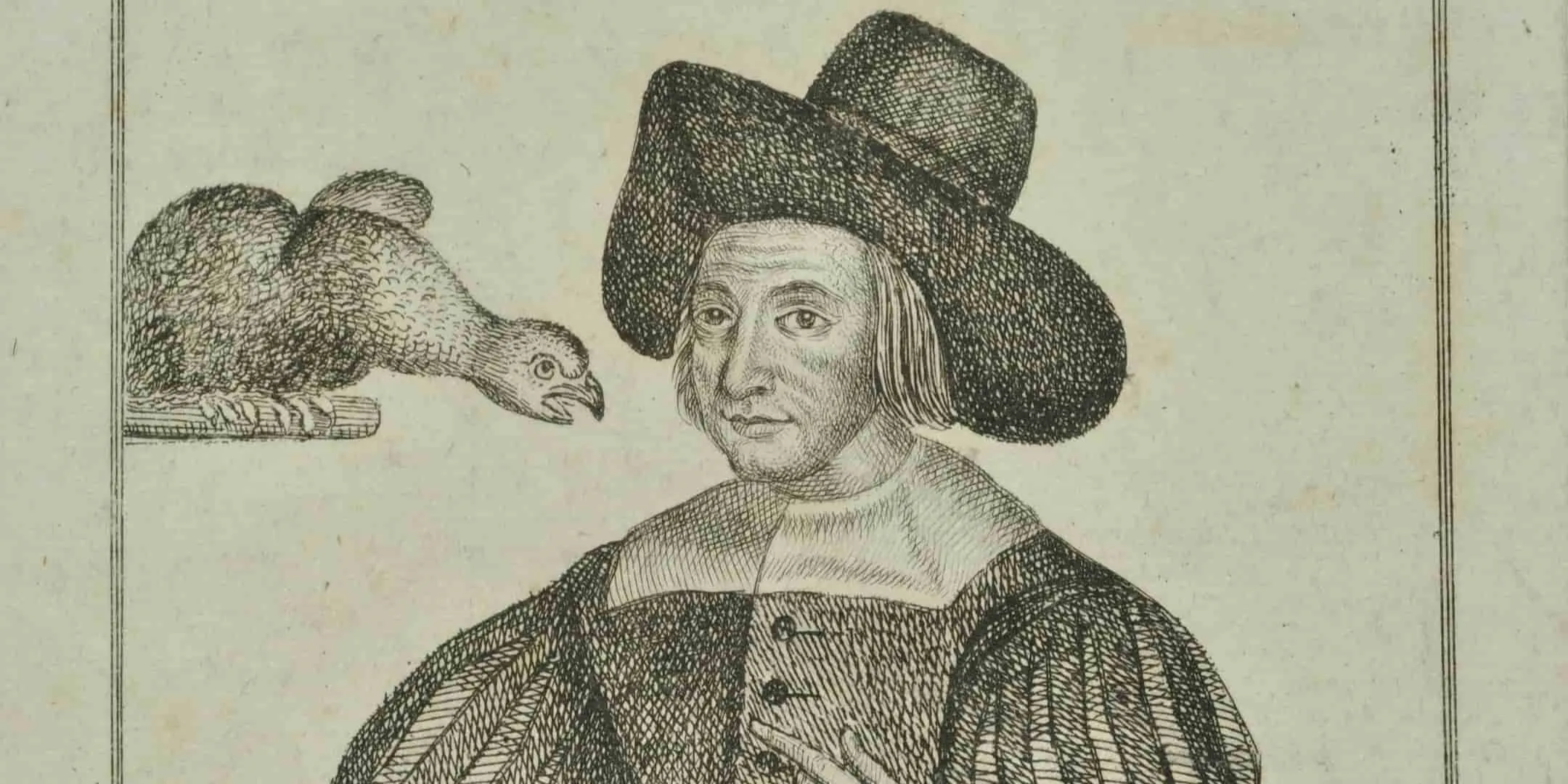
It is possible that she was born in the parish of St Martin Ludgate in April 1584, the daughter of Thomas, a shoemaker, but like many “facts” of Mary’s life, even this is uncertain. As a teenager, she appeared before the Sessions for theft and it was at this point she acquired her nickname which described her particular crime – stealing purses.
Moll Cutpurse on stage
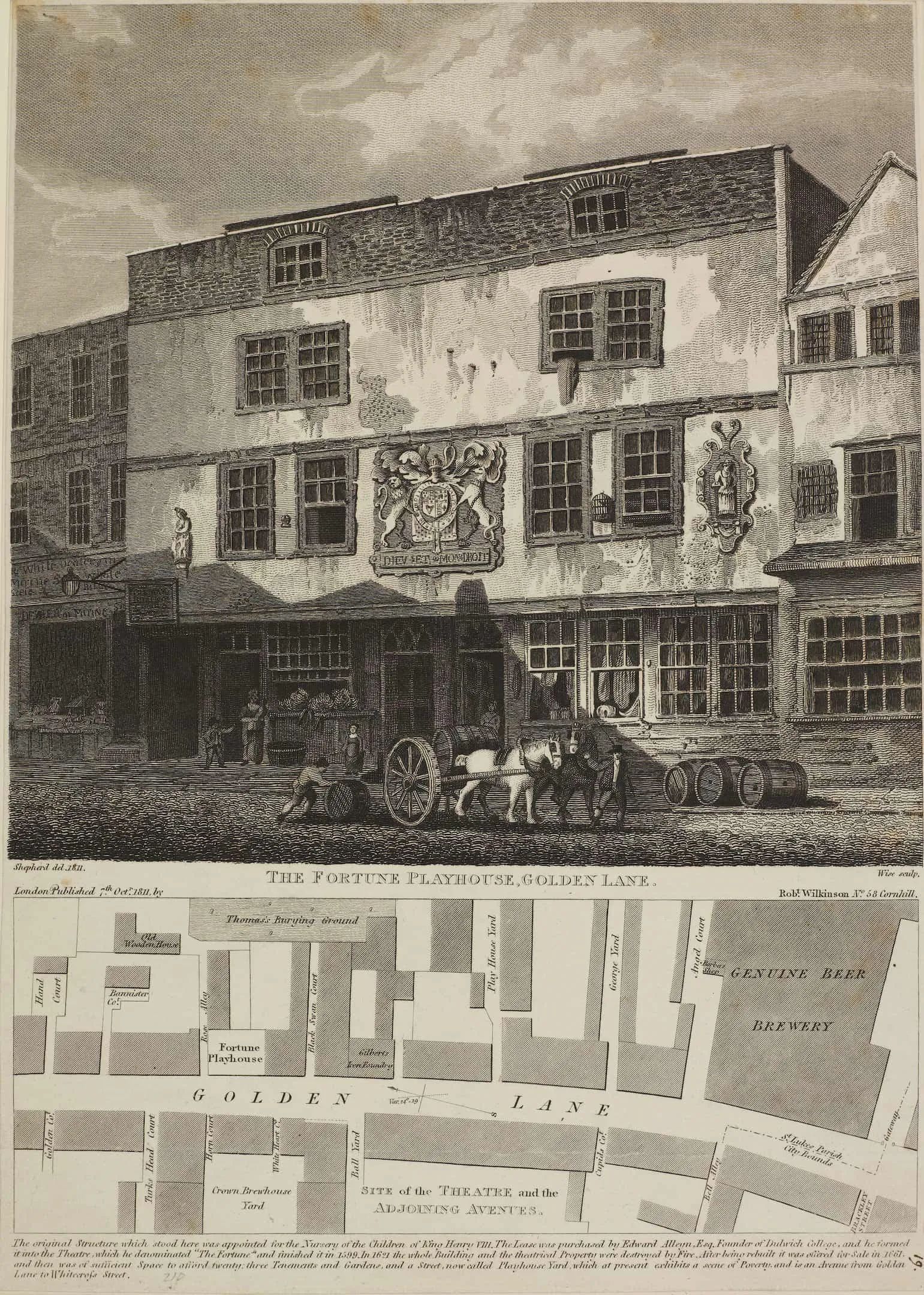
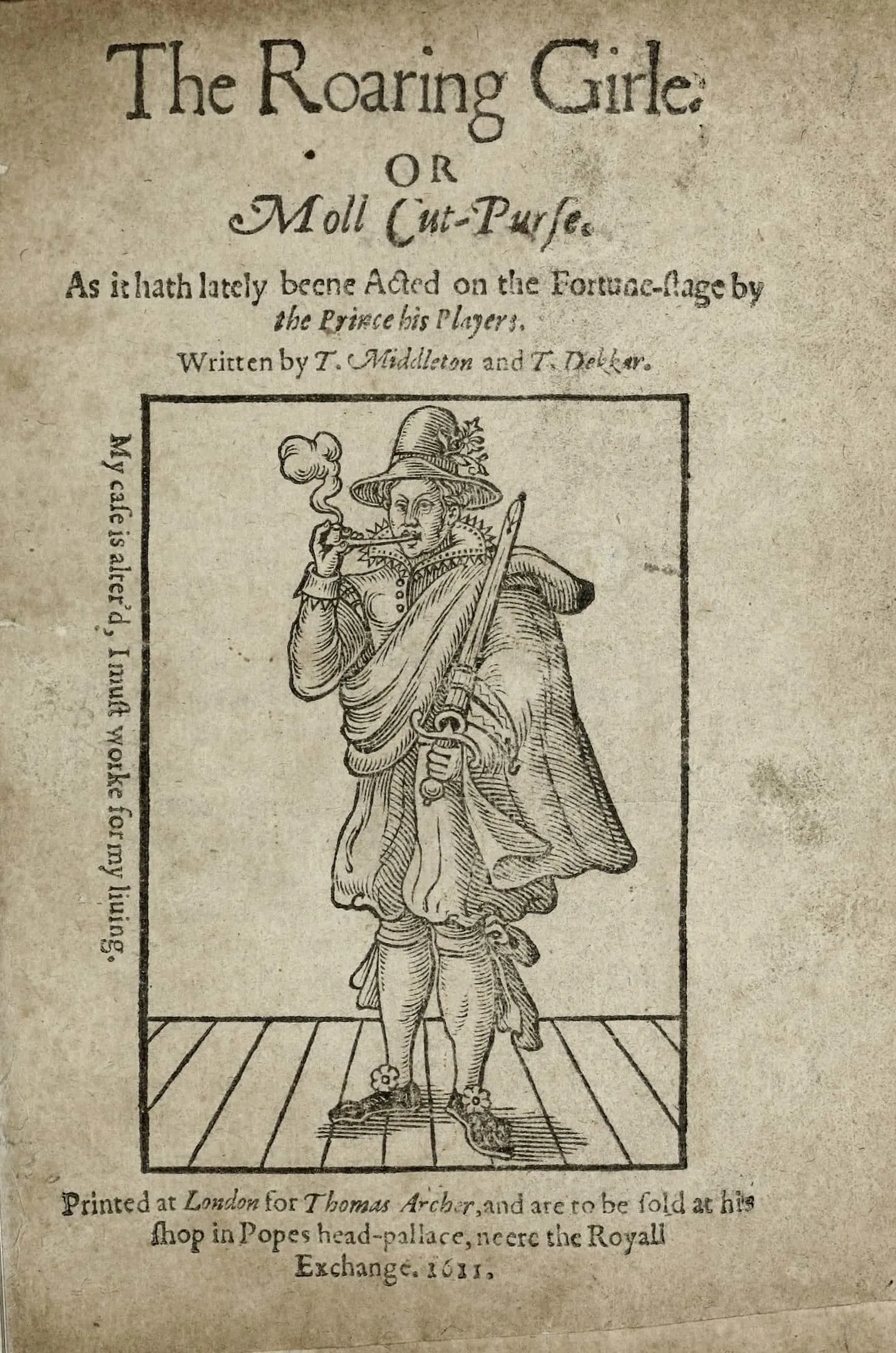
Mary continued to reoffend and her public notoriety was such that by 1611 Moll had featured in two plays. The real Mary Frith becomes hard to disentangle from her fictional counterparts. Of these plays, 'The Roaring Girl' by Thomas Dekker and Thomas Middleton had the most impact, and it is still performed on the London stage (most recently by the Royal Shakespeare Company in 2014). The Roaring Girl was performed at the Fortune Theatre, situated not far from The London Archives in Clerkenwell, on what is now Fortune Street, by Golden Lane. It is alleged that for one performance, Mary herself performed onstage, dressed as a man and playing a lute. If this is true, Mary Frith – or Moll Cutpurse – would have been one of the first women to perform on the Shakespearean stage.
The Bishop of London's court
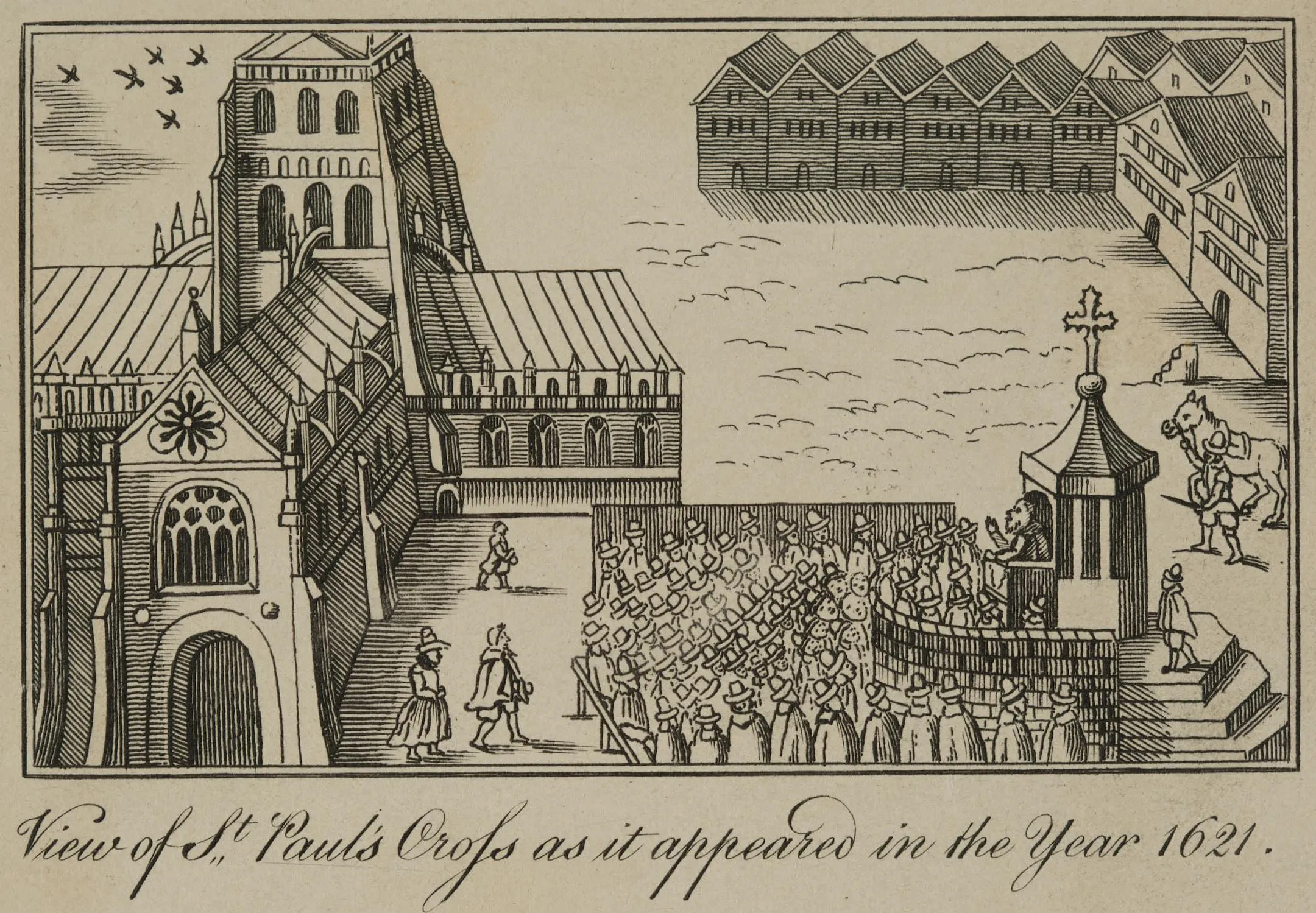
All this cavorting onstage got Mary Frith into further trouble. After a couple of spells in Bridewell prison, Mary – or Moll - was summoned to the Bishop of London’s Consistory Court, where she appeared in 1612 (reference: DL/C/0310). The Consistory Court ruled on issues of morality, and her confession survives, though like most features of her life we cannot be sure how accurate this confession was or the pressure she was under when she made it. The court record states that she was taken from St Paul’s Cathedral (possibly in the form of an arrest) because she had 'her peticoate tucked up about her in the fashion of a man'. In the confession she admitted to wearing men’s clothes, keeping lewd company, blasphemy and she admits that she 'had long frequented all or most of the disorderly licentious places in this Cittie'. Her punishment was to do public penance at St Paul’s Cross.
Despite her brushes with the law and the church, Mary Frith continued to operate on the borders of criminality, and it appears that she operated somewhere between a fence and an entrepreneur, handling stolen goods and even collaborating with the authorities when it was to her advantage. Her lifestyle still had the power to shock - she was rumoured to have had an exotic menagerie, as well as a giant mastiff called Wildbrat – and animals were associated with her image.
She married Lewknor Markham in March 1614 at St Saviour Southwark, though researchers suggest this was a marriage of convenience. It has been argued that she may have been able to use her elevated married status to shield herself from legal claims.
In Later Life
Her autobiography, almost certainly not written by Mary and published after her death in 1662, alleges that she decided to operate a brothel for wealthy women, realising there was money to be made in providing access to male escorts. However, much of the autobiography cannot be corroborated. It imagines her as a criminal mastermind and a highway robber. Again, we are confounded by the mixture of fact and fiction that make up her life.
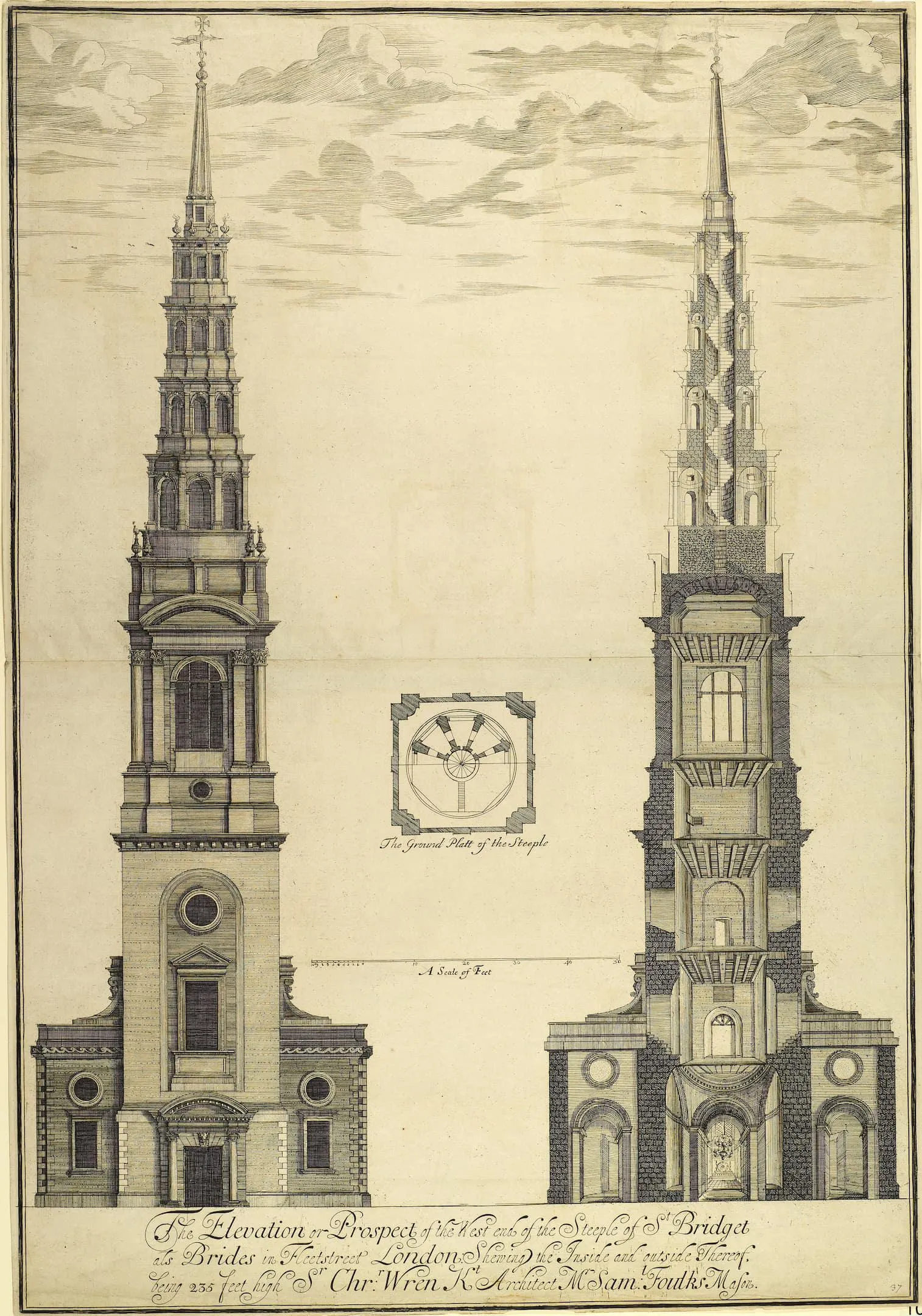
We do know that later in life she was admitted to Bethlem Hospital. We also know that she died in 1659 and was buried in the parish churchyard of St Bride Fleet Street, on 10 August 1659 (reference: P69/BRI/A/005/MS06540/001).
Modern scholarship asks important questions about Mary – or Moll’s – sexuality and gender identity: how did she perceive herself? Did she only dress in men’s clothing, or did she identify as a man? How far was she deliberately transgressing the social norms of Stuart London? She may be too elusive for us to fully pin down.
Search the London Picture Archive