

Jenny Diver
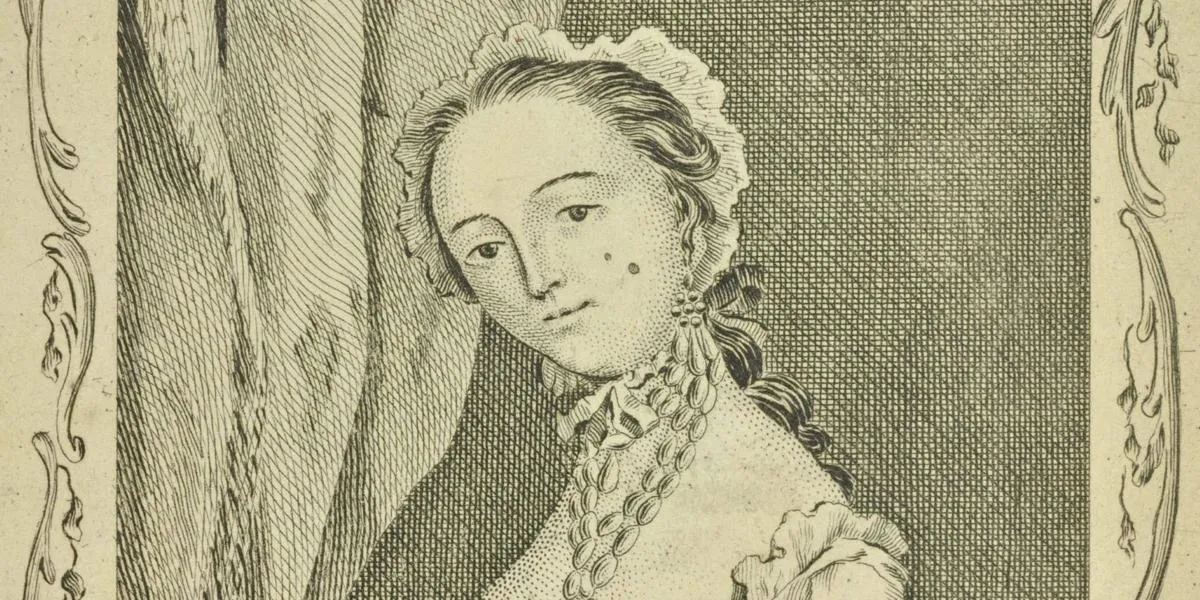
In the 1730s and 1740s, the crimes of a prolific gang of pickpockets in London started to draw the attention of newspapers across the metropolis. One of the members of the gang was Jenny Diver or Diving Jenny, so named for her ability to quickly snatch belongings from unsuspecting victims.
According to the Ordinary of Newgate's account of her life, Jenny Diver was born in the north of Ireland as Mary Young sometime at the beginning of the eighteenth century. When she was a teenager, she and a young man planned to run away to England, and after he robbed his master to fund their new life, they set sail for Liverpool. After her partner was apprehended for theft, she travelled on to London alone, befriended fellow Irishwoman Ann Murphew, and took up lodging in Long Acre in Covent Garden. Not long after, Murphew convinced her to turn to crime, and she joined a gang a pickpockets who preyed on large crowds and cut off women's pockets as they were leaving the theatre. Initially, her role was to act as the 'safe', the person who stood apart from the gang ready to receive stolen goods, but it was not long before Jenny was considered an expert at pickpocketing.
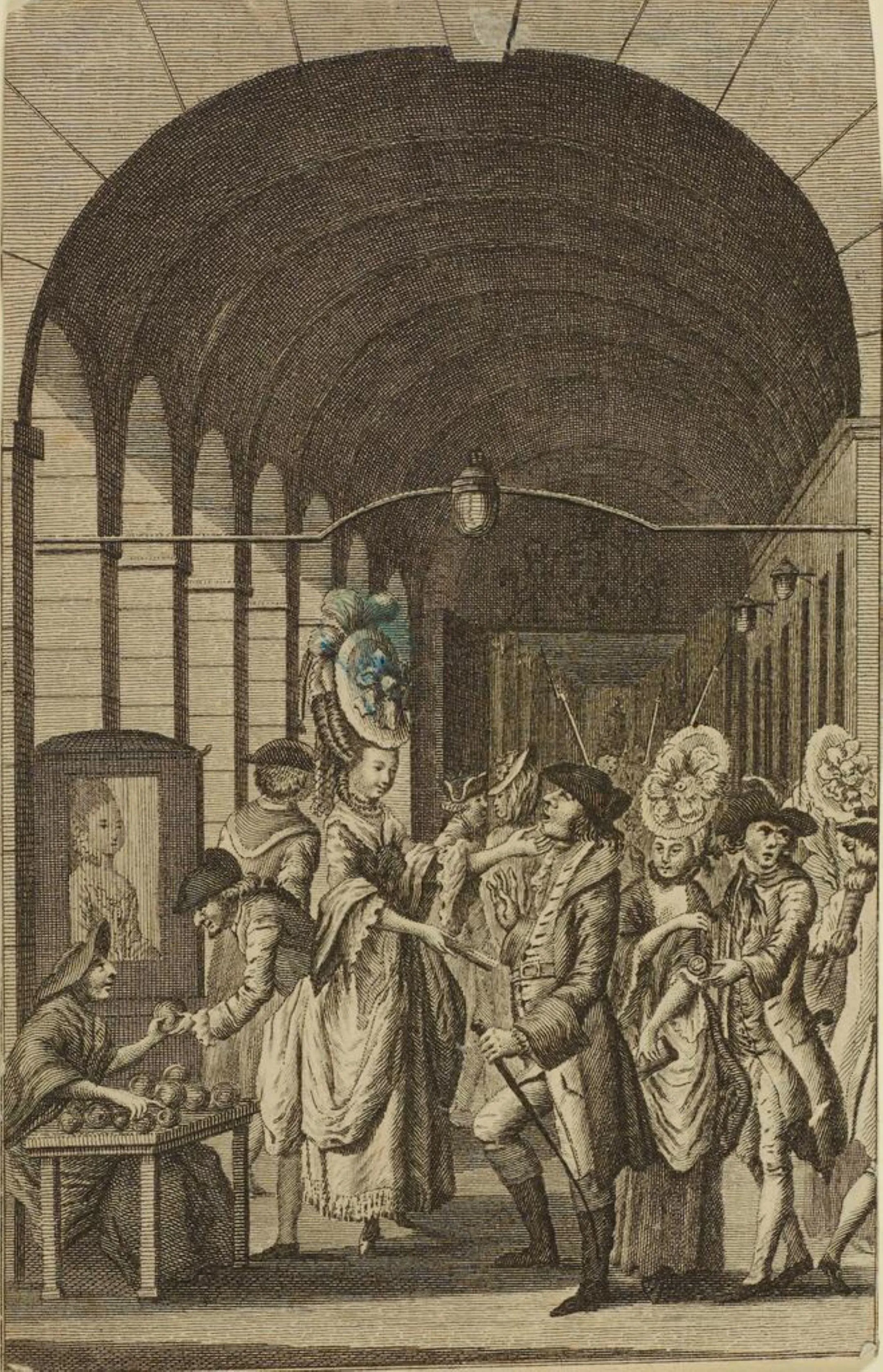
One of her tactics included dressing up as a respectable citizen's wife, faking pregnancy with a pillow under her clothes, and wearing fake arms while her real arms were hidden in her petticoats, allowing her to steal from her victims and avoid detection. Within two years, Jenny had gained notoriety, and the gang implemented rules to avoid detection and to ensure their members' welfare. This included acting as a witness for fellow members if they were put on trial, and providing financial support from the 10% of their proceeds they put aside so that those in prison could live in a 'Gentleman or Gentlewoman-like manner.' It wasn't long before the gang became rich from their criminal exploits, and had £300 each by preying on people across London from Wapping to the Royal Exchange and London Bridge. Jenny soon took up her own lodgings near Covent Garden, living with her husband and a maid servant. However her luck ran out, and some time in the 1730s, she was caught, imprisoned in Newgate for four months, and transported to Virginia. Jenny did not stay long in America, however, and she somehow managed to negotiate her way back to England shortly after.
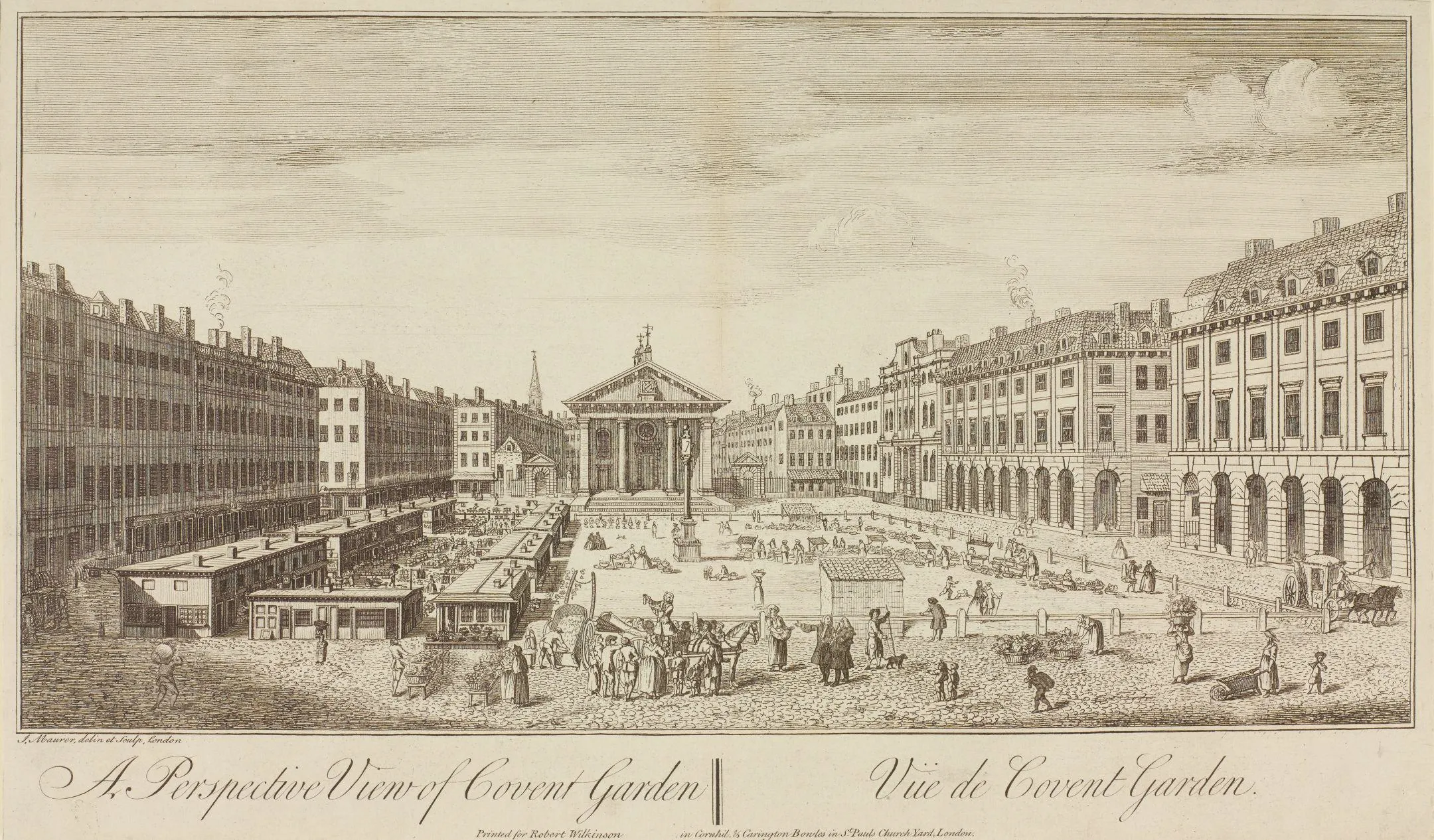
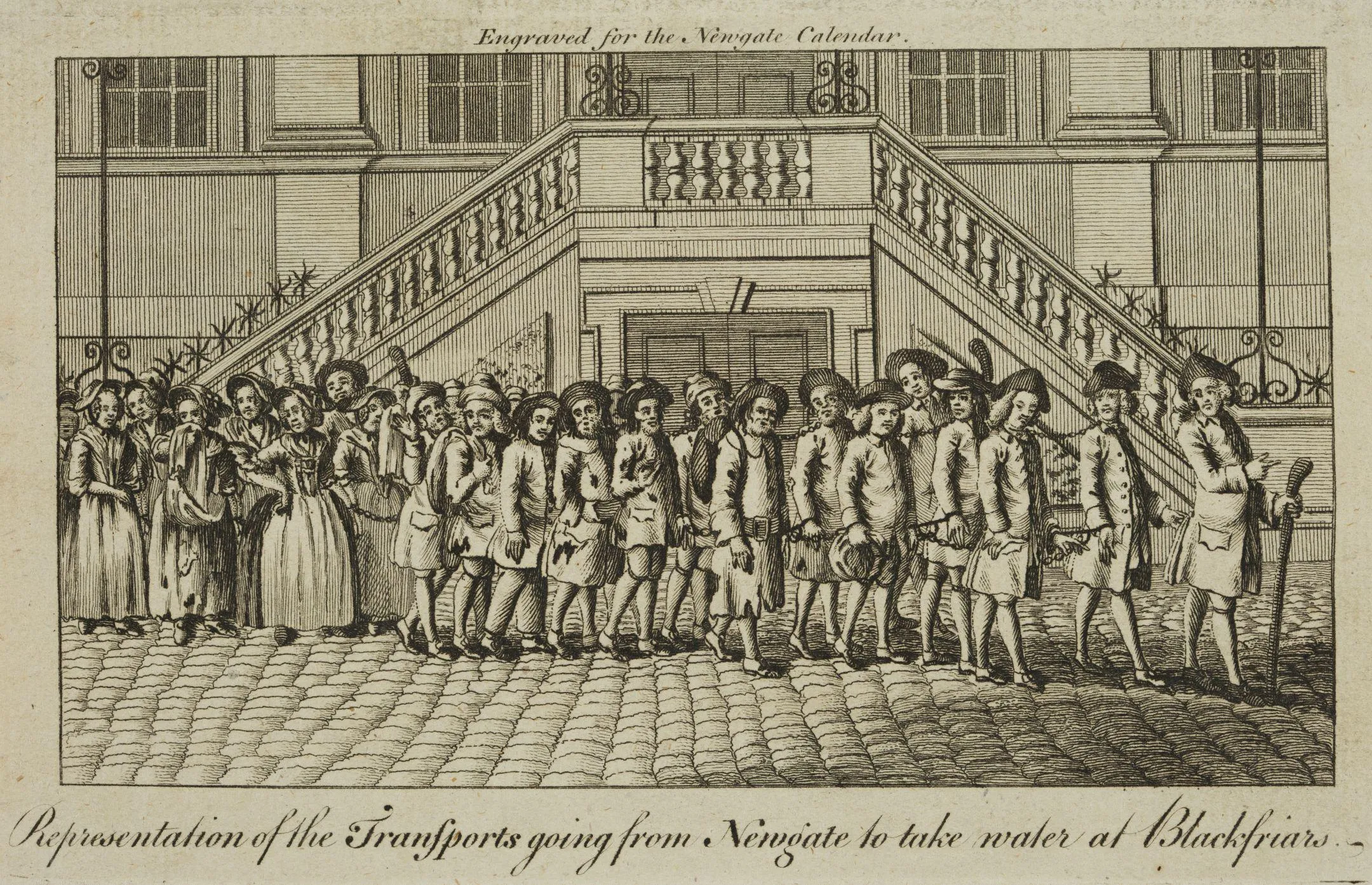
She was soon back in London, and arrested again in April 1738 for grand larceny under the alias Jane Webb. Her victim, Mary Rowley, alleged that at the time of the crime she was leaving St Paul's Cathedral after a rehearsal, and in an attempt to avoid the crowds, headed north up Cannon Alley. She was was cornered by two men, allowing Jenny Diver to steal eight shillings and six pence from her pocket. The witness to the crime, Mr Addy, saw the theft from his window and shouted to Mary Rowley that she was being pickpocketed. In fact, Mr Addy had been watching Diver and her two accomplices pickpocketing the crowds for the previous two hours, and he persuaded Mary Rowley to prosecute her and went out to arrest her. A second witness who saw Mr Addy apprehend her claimed that he had been aware of Diver as a notorious thief for the past five years, and that he had seen her pickpocket twenty people that day alone. Newspapers at the time reported that as she was being conveyed to Newgate Prison by coach, she attempted to stab someone. Before the trial, Diver's accomplices allegedly offered Mr Addy £50 not to appear as a witness at the trial, and many of her gang members offered character witnesses to support her. However the gang's attempts were in vain and she was convicted and sentenced to transportation. On 9th June 1738, she was one of 126 prisoners taken from Newgate to Blackfriars and put onboard a ship bound for Virginia and Maryland.
Diver was back in London by December 1738, somehow coming back from transportation in Virginia once again, this time with others from her gang. While the newspapers widely publicised her return, they also commented that there was no reward for taking the risk of apprehending her, and she soon turned back to crime.
The celebrated Jane Webb, alias Jenny Diver, who was Transported last April for Picking of pockets at St Paul's is returned from her Travels; [with] others of that Gang...as there's no Reward for apprehending those who do return, People don't care to run any Hazard to take them, and be at the Expence and Trouble of prosecuting them
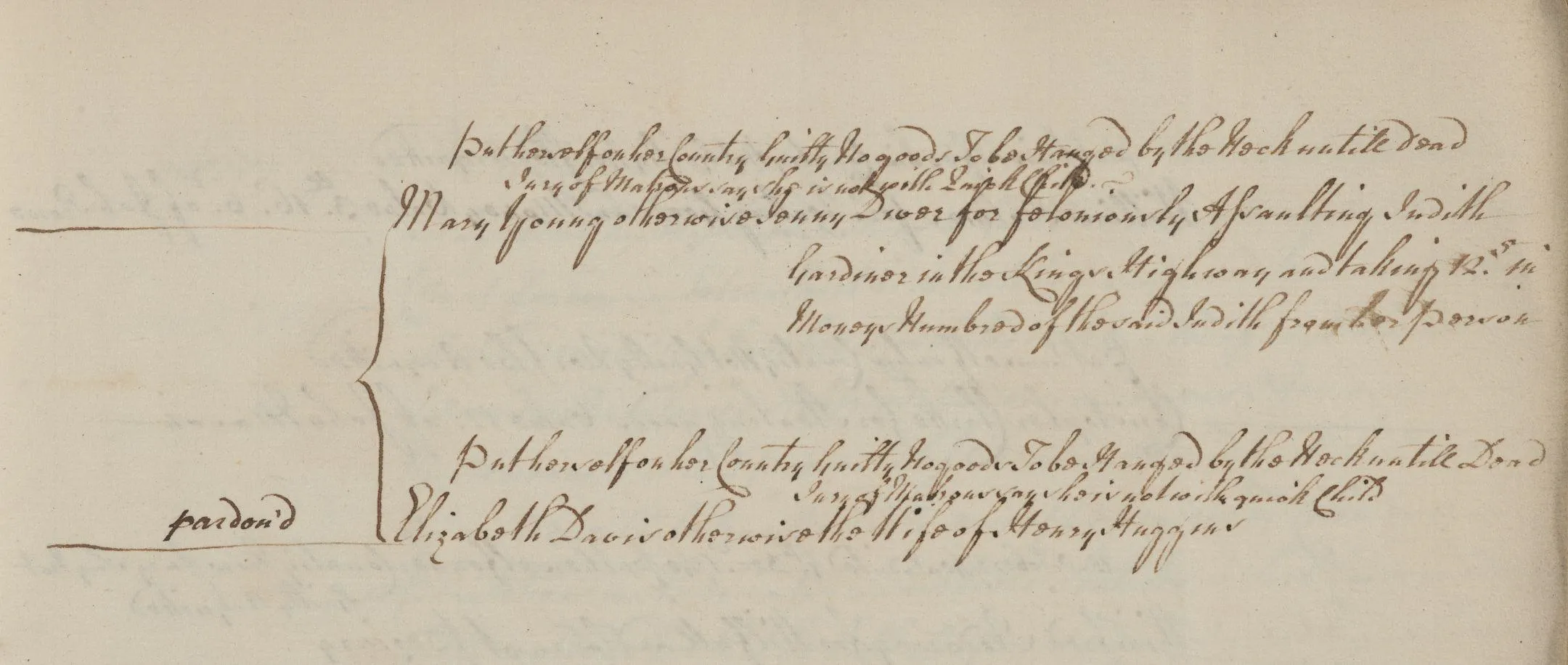
She was apprehended again in January 1741, this time under true name Mary Young as her aliases had been discovered, and with an accomplice Elizabeth Davis. The victim, Judith Gardner, was passing Mansion House when a man from Diver's gang offered to help her pass over a pool of water, but in doing so, held up her arm, allowing Diver to take money out of her pocket. As Gardner tried to stop her money being stolen, Diver hit her over the head, and her accomplice Elizabeth Davis tried to help their other gang member escape from the scene.
During the trial, various women offered character witnesses for Diver, painting her as a woman who made a living of simple sewing who was 'modest and well behaved' and she was liked 'extraordinary well'. Despite her gang members false character witnesses, Jenny Diver and her accomplice were sentenced to death, although Davis later had her sentence commuted. Any attempts to have her own sentence commuted or delayed by claiming she was pregnant were in vain, as it was noted in the court records that a 'jury of matrons say she is not with quick child.' While awaiting her execution, Jenny allegedly made provisions for her three-year-old daughter after her death, and was repentant for her criminal ways, regularly attended church. When the time came, she was conveyed from Newgate Prison to Tyburn in a mourning coach, guarded by twenty men on horse and on foot. She was executed alongside 19 other people and buried in St Pancras in an unmarked grave.
Find out more about our exhibition 'Londoners on Trial':
Find out about the 'Londoners on Trial' exhibition