

'Happiness' by Aminatta Forna

June 2026 - 'Happiness' by Aminatta Forna
For June’s book group meeting, we read Happiness by Aminatta Forna, published in 2018. In perhaps a first for the book group, this novel was received with unanimous approval. The novel begins with our protagonists Ghanaian psychotherapist Atilla and American biologist Jean, who literally bump into each other on Waterloo Bridge. Through a series of coincidences Jean becomes a significant part in the search for Atilla’s relative Tano, using her animal tracking expertise to locate the teenage runaway.
Evocative depiction of London
Many readers praised Forna’s writing for its evocative description, particularly in relation to her depiction of London which is presented as teeming with life and interest, human and animal. Even London’s plants are featured in the novel with Jean something of an ecofeminist hero. Forna’s novel is expansive and inclusive – everyone has a story, and this book bulges with them.
This is a novel in which characterisation is a highlight. The main characters are sensitively and persuasively drawn, but several readers also praised the attention to detail in the wider cast, such as Jean’s security guards and parking wardens. Forna brings to life the often invisible and marginalised workers that keep the city operating – a “community of the unseen” as one reader said.
Theme of trauma
Complex issues are handled with an equally deft touch. Several readers praised the sub-plot relating to Atilla’s former lover, Rose, who has developed dementia and who he visits in a series of devastating encounters. The theme of trauma runs through the novel, and Forna’s perspective is that suffering does not define a person. It is a defiant and optimistic stance.
Virtues of tolerance
Above all, this is a humane novel about the virtues of co-existence and tolerance, which readers felt was a tonic to our current situation.
For the presentation at the end of the session, we looked at archival sources that could be used to explore the changing relationship between humans and the environment.
Archive sources
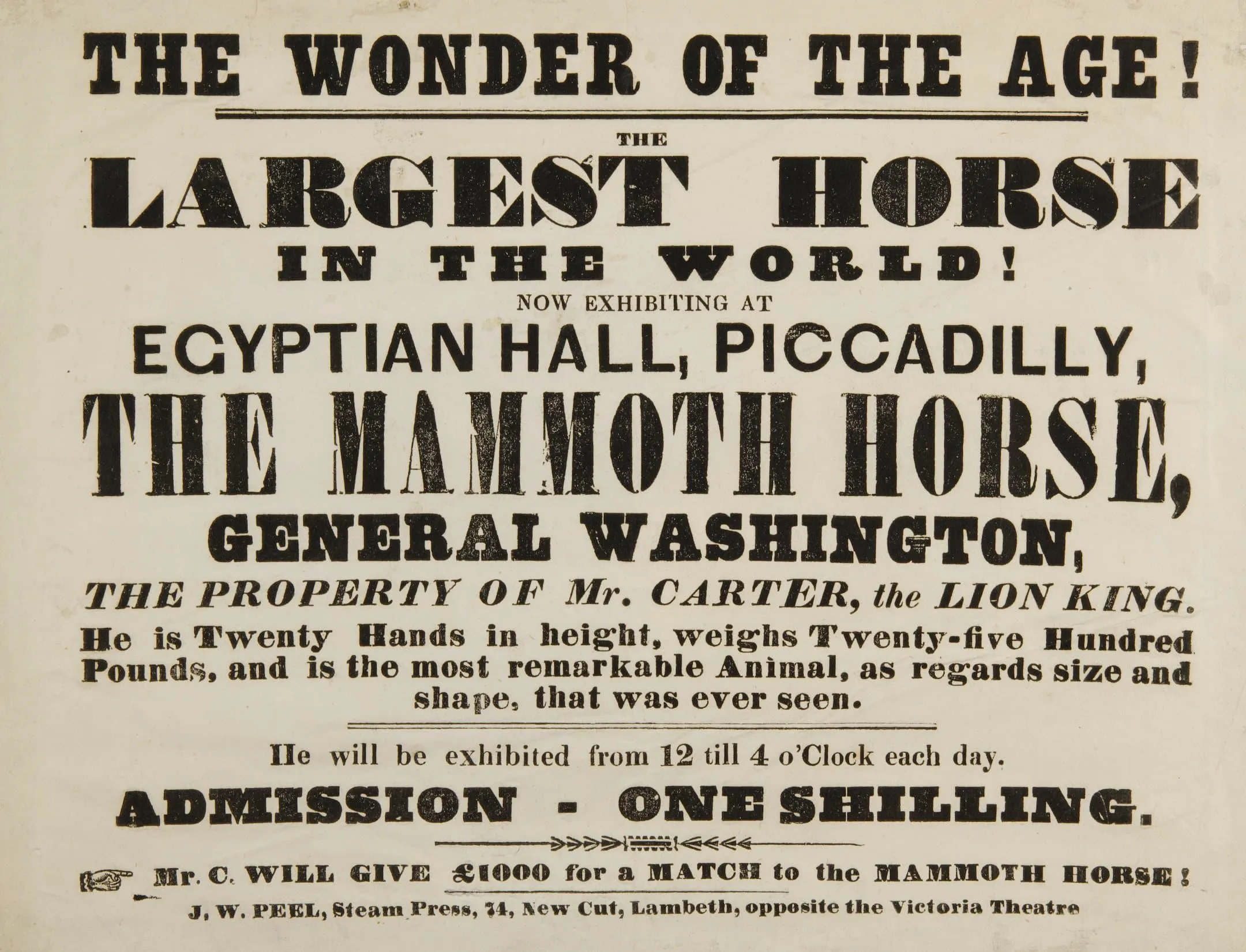
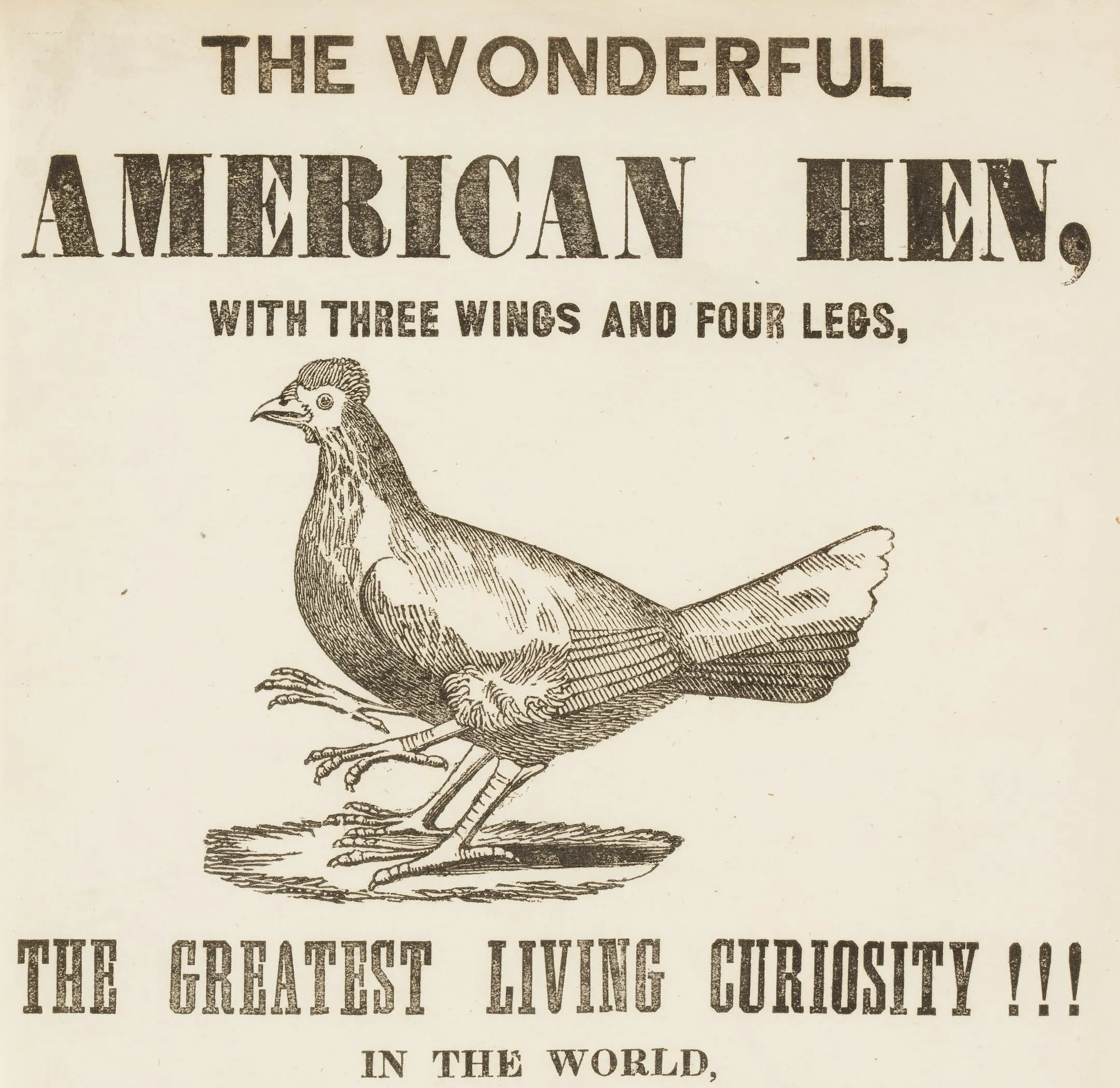
The group looked at a variety of material including ephemera held at TLA relating to animals and wildlife. Wild animals appear in the collections primarily as pests or entertainment. With the growth of interest in natural history in the Victorian period, and the development of the modern conservation movement the status of wildlife begins to change.
An example from the London County Council registers of performing animals was also shown (reference: LCC/PC/ANI/02/001). The entry in the register listed 10 elephants in Gordon Boslack's circus at Empress Hall, Earl's Court in 1928:
The elephants form pyramids, stand on tubs, one carries his trainer by the head around the arena, duelling, posing, dancing and comedy musical and pantomime act apparatus...duration of performance about 20 minutes usually twice daily.