'Doreen' by Barbara Noble
December 2025 - 'Doreen' by Barbara Noble
December's book group at TLA looked at Barbara Noble’s 'Doreen' which was published in 1946 and is a sensitively written account of a young girl’s experience on being evacuated from London to the countryside. Although it is a novel rooted in the wartime setting, it is also a powerful book about moving between class and the social divisions of the time.
Empathy for the characters
Readers were almost unanimously agreed in their praise for the novel. Noble’s style is not subtle, but she managed to make us empathise with all the characters in the novel, without resorting to sentimentality. Doreen, the child at the centre of the book, is portrayed with psychological complexity and several readers commented on how rare it is for the inner life of a child to be so well written.
Exploring emotions
It is a novel of quiet moments despite exploring devastating emotions across several plot points – Mrs Rawlings’ dignity despite her guilt at sending Doreen away, Doreen’s estranged father, the Osbourne couple and their longing for a child of their own. One of our readers said the novel gave him a new perspective on his experience of adoption and others remarked on how it reminded them of strong memories from their own childhood.
A mixed portrayal of evacuation
We had a rich conversation about the date that this was published, and some readers were surprised that there was an appetite for a novel about the war immediately afterwards. Noble offers us a mixed portrayal of evacuation. London in the novel is a dangerous and terrifying place (indeed, Doreen’s best friend is killed in an air raid) but the moral and ethical issues raised by evacuation are explored fully, and in Noble’s own words, the “unanswerable question” about evacuation is whether it did more harm than good.
The English class system
Noble’s ire is aimed squarely at the English class system, which offers the real enemy here, for the way it places barriers between individuals such as Doreen’s mother and the Osbournes, and the way it chokes opportunity for bright young children like Doreen. We wondered what would happen to a childlike Doreen, returning to working class London after this experience of seeing how other people live.
Archive sources
A range of documents were explored in the session including from the London County Council (LCC) Education Officers War planning records.
The story of the evacuation of children from London in September 1939 is a familiar one to many. Over a million children and vulnerable adults were evacuated in a matter of days, taken school-by-school to reception centres across England as part of the first of several large-scale evacuations from London throughout the war.
As well as the more formal documents concerning the general evacuation of children in the files there are also newspaper clippings that reflect public opinion. The LCC were also working with the media to shape the response Londoners had towards the proposal.
Christmas entertainment
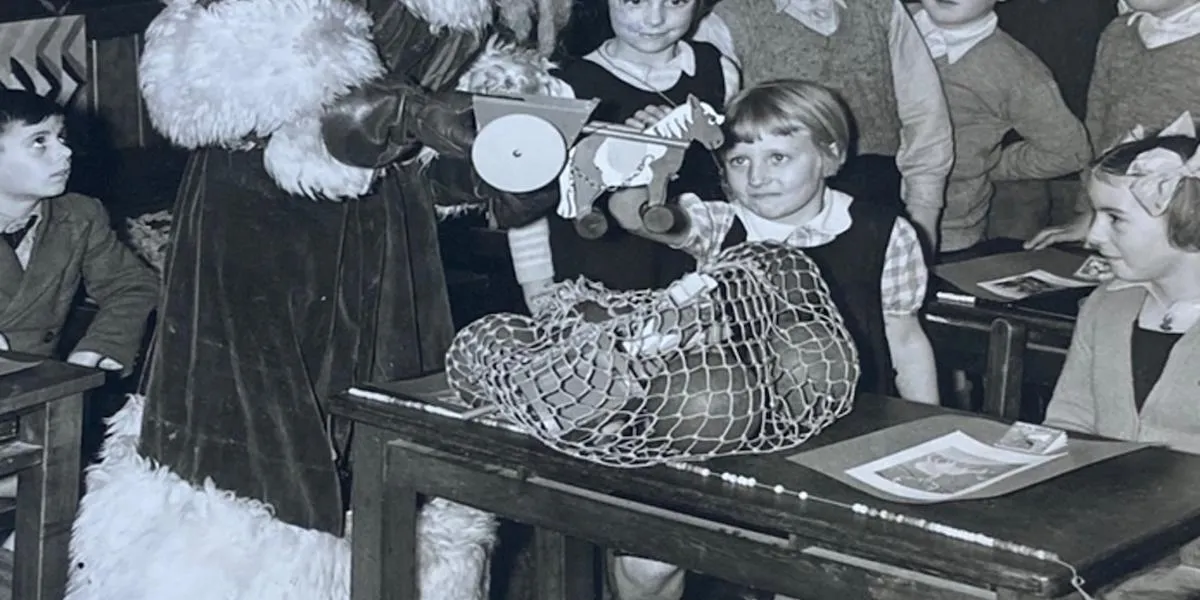
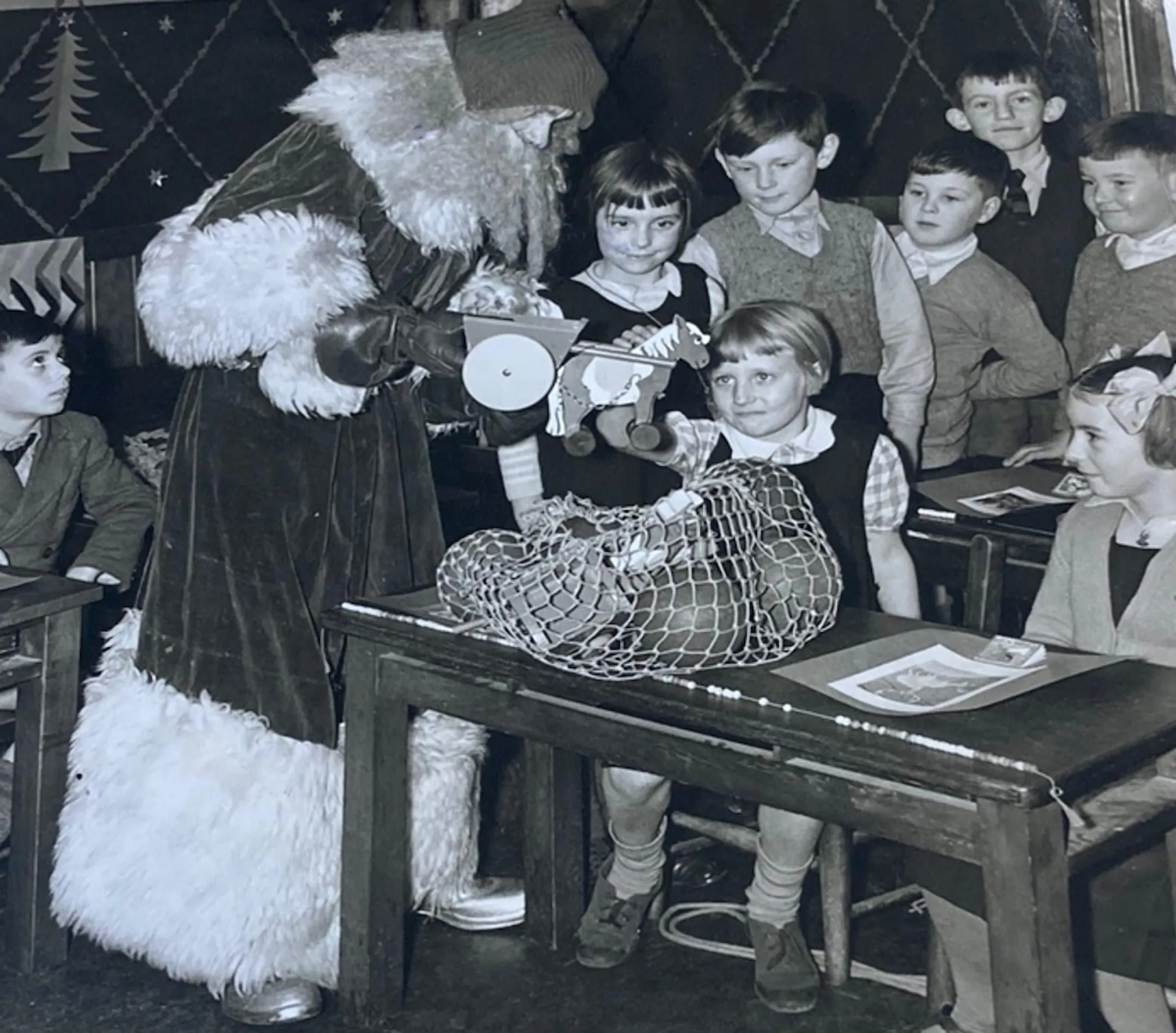
At the end of 1939 it is suggested that the Council should fund Christmas festivities for the children who had been evacuated out of London (see document reference LCC/EO/WAR/01/147).
The LCC received many enquiries from children’s entertainers who saw these festivities as a chance to offer their services to the Christmas treats fund. Given the disruption to London’s schools, it may be that many of them needed the work. A large file survives of letters and flyers about entertainers. These pieces of ephemera are unlikely to survive elsewhere and may be one of the few bits of evidence of an individual entertainer’s work. It is a fascinating insight into the popular entertainment industry of the period (see document reference LCC/EO/WAR/01/150).
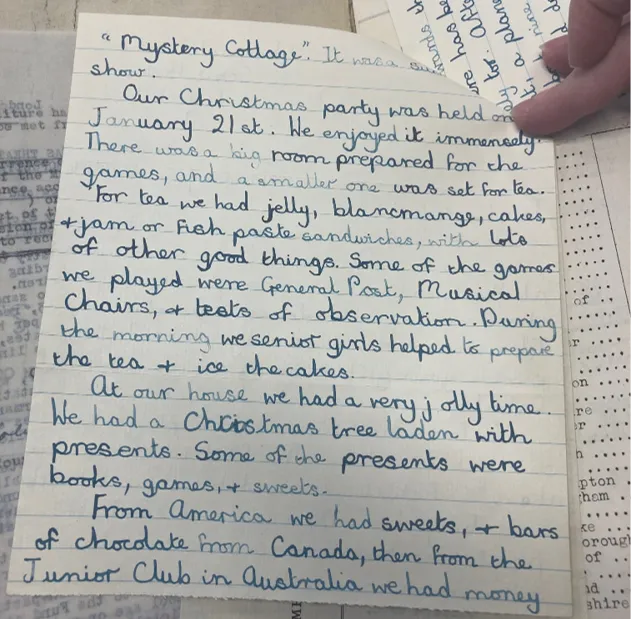
There are letters from teachers and pupils on file detailing the parties they had (see document reference LCC/EO/WAR/01/152).