

David Bowie and Eighteenth-Century London
David Bowie and Eighteenth-Century London
Charlotte Hopkins-McPherson, an Archives Officer at TLA, undertook some research into the notes that musician David Bowie (1947-2016) left to the V&A Museum about his concept for a musical set in eighteenth-century London called 'The Spectator'.
An illustrated talk and document viewing was put together using the collections held at TLA that represent this period of London history. This article takes a closer look at what she found and how this assisted in conjuring up what this unrealised musical might have looked like.
The idea
I had the idea for this talk when I read an article by the BBC which showed a picture of the Post-it notes that Bowie had left about his research ideas in the latter years of his life for a new musical. The notes were acquired by the V&A Museum and are now on display at the V&A East Storehouse in the dedicated David Bowie Centre. I thought this subject also tied-in perfectly with our exhibition, ‘Londoners on Trial’, particularly as Bowie had mentioned the notorious thief Jack Sheppard over 30 times in his notes.
Other than what has been reported and displayed at the David Bowie Centre about the musical, I have no further knowledge about his intentions or how this would have been staged, and we will simply explore the traces he has left behind to conjure up an image of eighteenth-century London.
An entire notebook is dedicated to Bowie’s research from ‘The Spectator’ periodical which was published between 1711 to 1712 with a total of 555 issues commenting on the manners of London society.
Bowie had a long fascination with musicals and a desire to write one. Earlier he had also mused about turning George Orwell’s 1984 book into a musical, but Orwell’s wife refused to release the rights, so he did the '1980 Floor Show' instead at the Marquee Club, which was originally at 90 Wardour Street.
Post-it notes
The musical was likely to have been set in Covent Garden and it appears that Bowie was influenced by the gritty, theatrical, and often brutal reality of 1700s London.
Bowie's Post-it notes appear in a loose timeline and referenced subjects and themes such as Jack Sheppard being hung (1724), the artist William Hogarth (1709), Britain and the Acts of Union (1707), the Bow Street Runners (1749), the Gordon Riots (1780), Newgate burns (1780), Blind John Fielding starts criminal register (1754), the sailors riots on the Strand (1749). He also notes an interest in Tyburn, may sex scenes, and fairs of the period!
The Spectator
‘The Spectator’ was a satirical newspaper of the period – not the same as the Conservative publication we have today. ‘The Spectator’ was a daily periodical founded by Joseph Addison and Richard Steele in 1711-12 written as short essays in a conversational tone. It’s considered one of the most influential publications of the Enlightenment era and contributed to the development of modern journalism. Addison and Steele wanted to make philosophy and literature accessible to ordinary readers, not just scholars. Their goal was to “enliven morality with wit, and to temper wit with morality.”
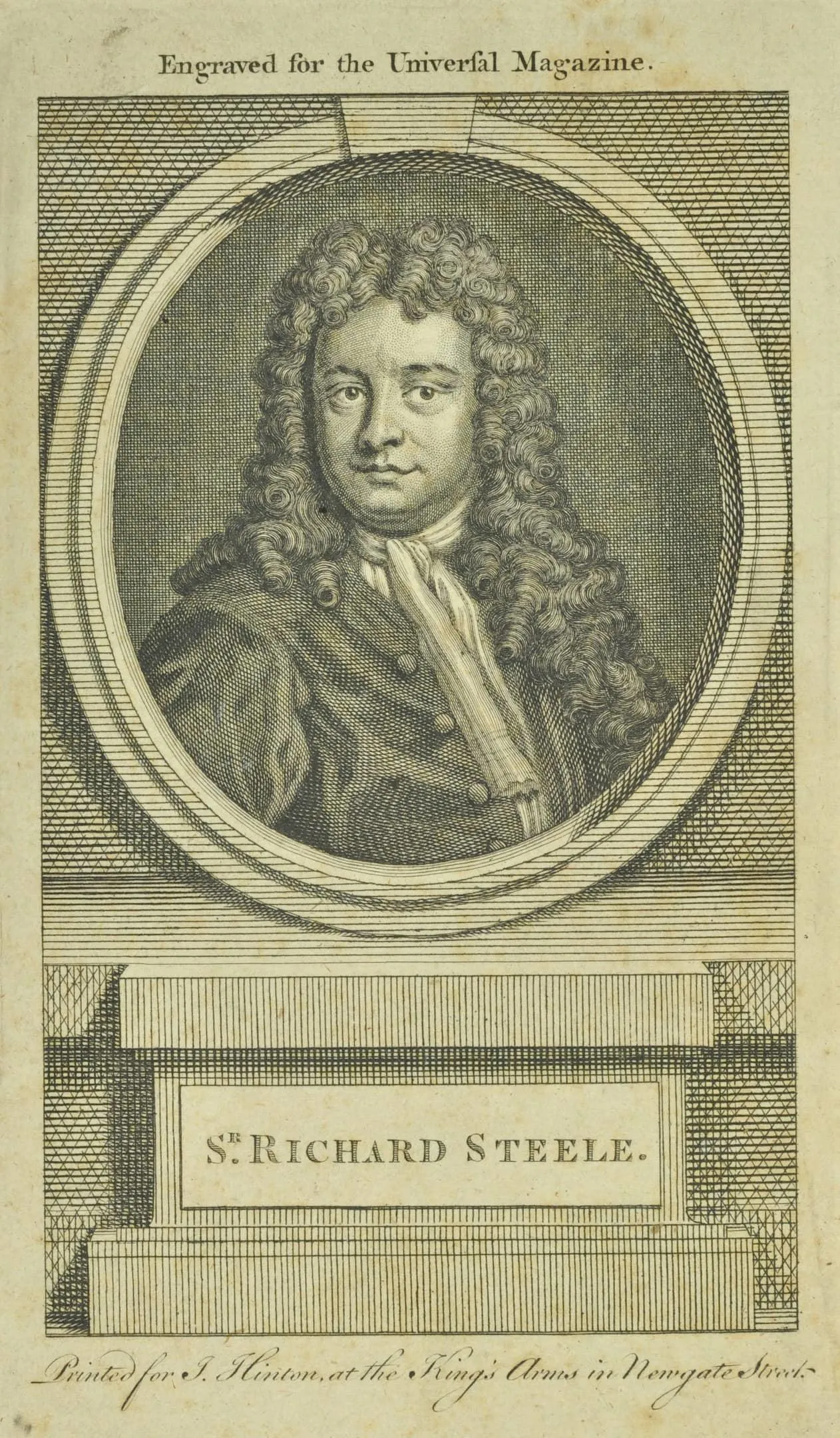
Bowie researched 33 issues of the periodical - focusing on character sketches and morality tales to contrast London's high society with its criminal underbelly. We can perhaps think of Bowie as a literal ‘spectator’ and observer - much as its founders were.
Bowie’s list of numbers in his notebooks relate directly to the news article numbers from ‘The Spectator’ and an online version can be consulted for free through Project Gutenberg.
Some of the characters
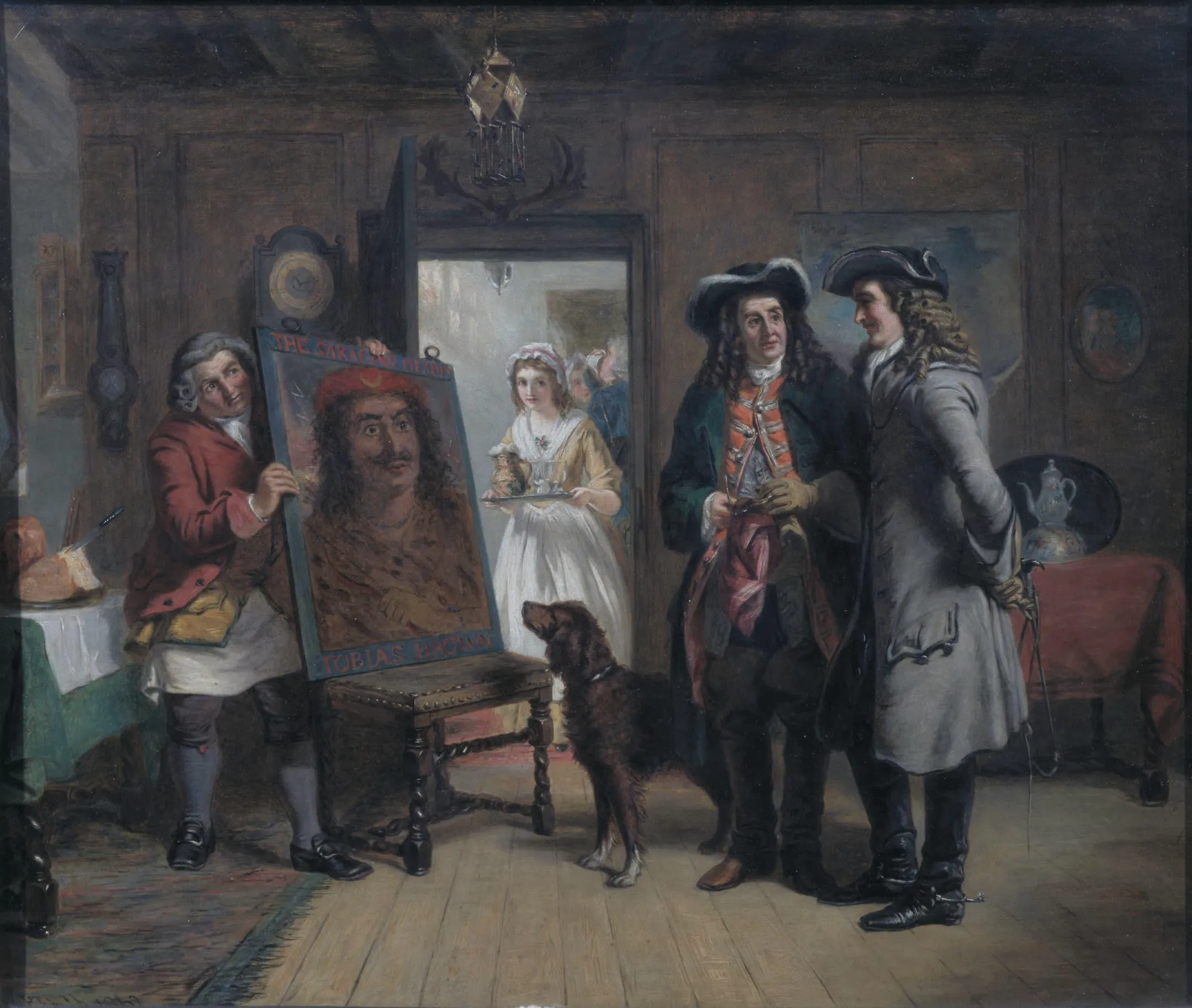
There are a whole host of characters that Bowie notes of interest from the articles in 'The Spectator' including, Roger de Coverley who was a beloved fictional English country bachelor. He embodied an old-fashioned charm with humorous insights into English life. A traditional dance was named after him which became a staple at the end of balls.
In a painting by William Powell Frith, Joseph Addison is cleaning his spectacles whilst de Coverley reacts in amusement at the newly presented sign. There was a Saracens Head Inn at Snow Hill which this may refer to.
The Covent Garden Macaronies
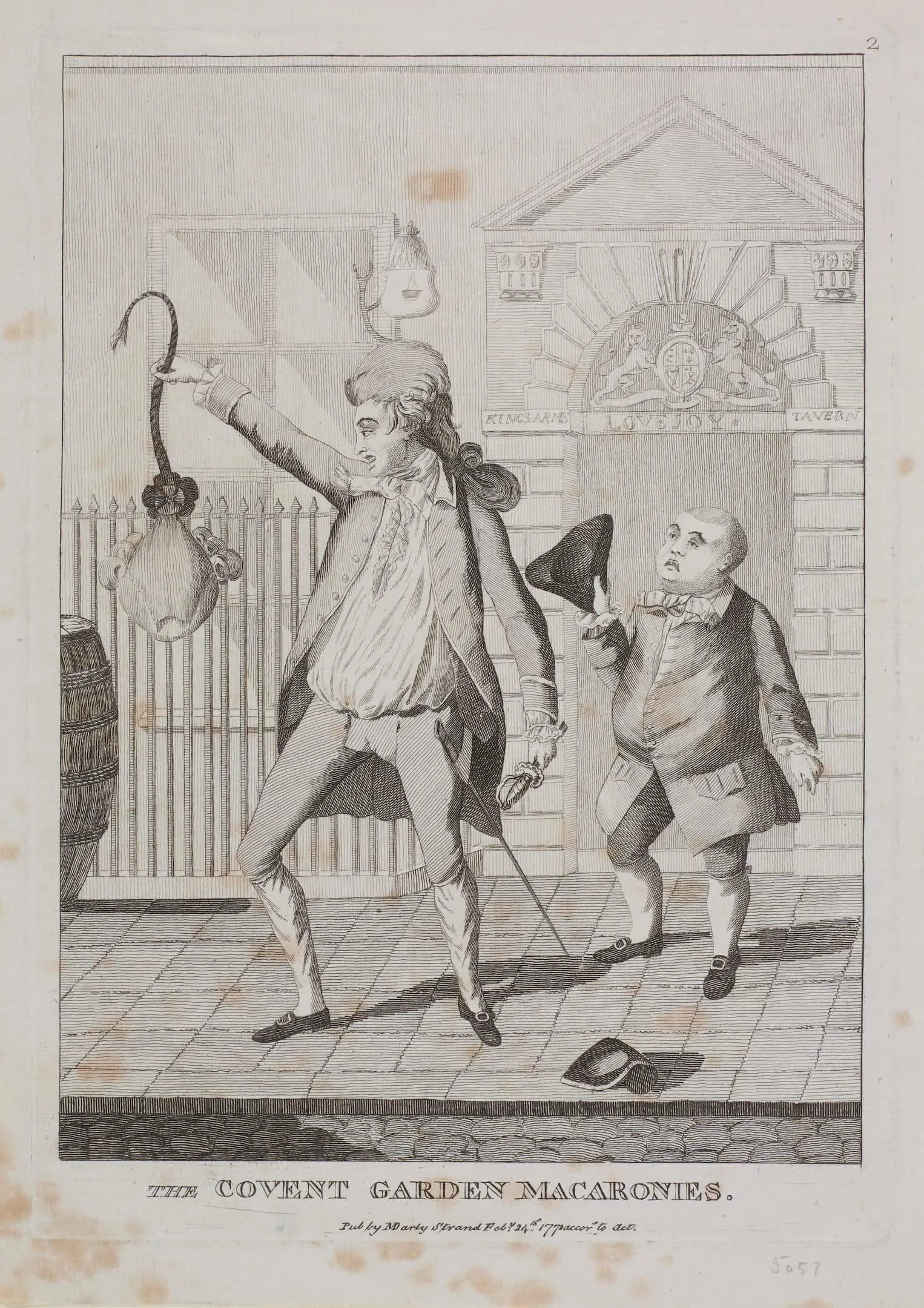
I mused on my own comparison to Bowie’s persona of Ziggy Stardust and the so-called Macaroni’s of the period!
Eighteenth-century macaroni’s were known for outrageous, androgynous fashion – wearing large, powdered wigs often with tiny hats perched on top, makeup, ornate walking sticks for show and tight clothing, which challenged the standard male dress of the time. Similarly, Ziggy Stardust was also an androgynous, flamboyant figure with costumes to match his persona which pushed the boundaries of gender and style in the 1970s.
Some of the scenes
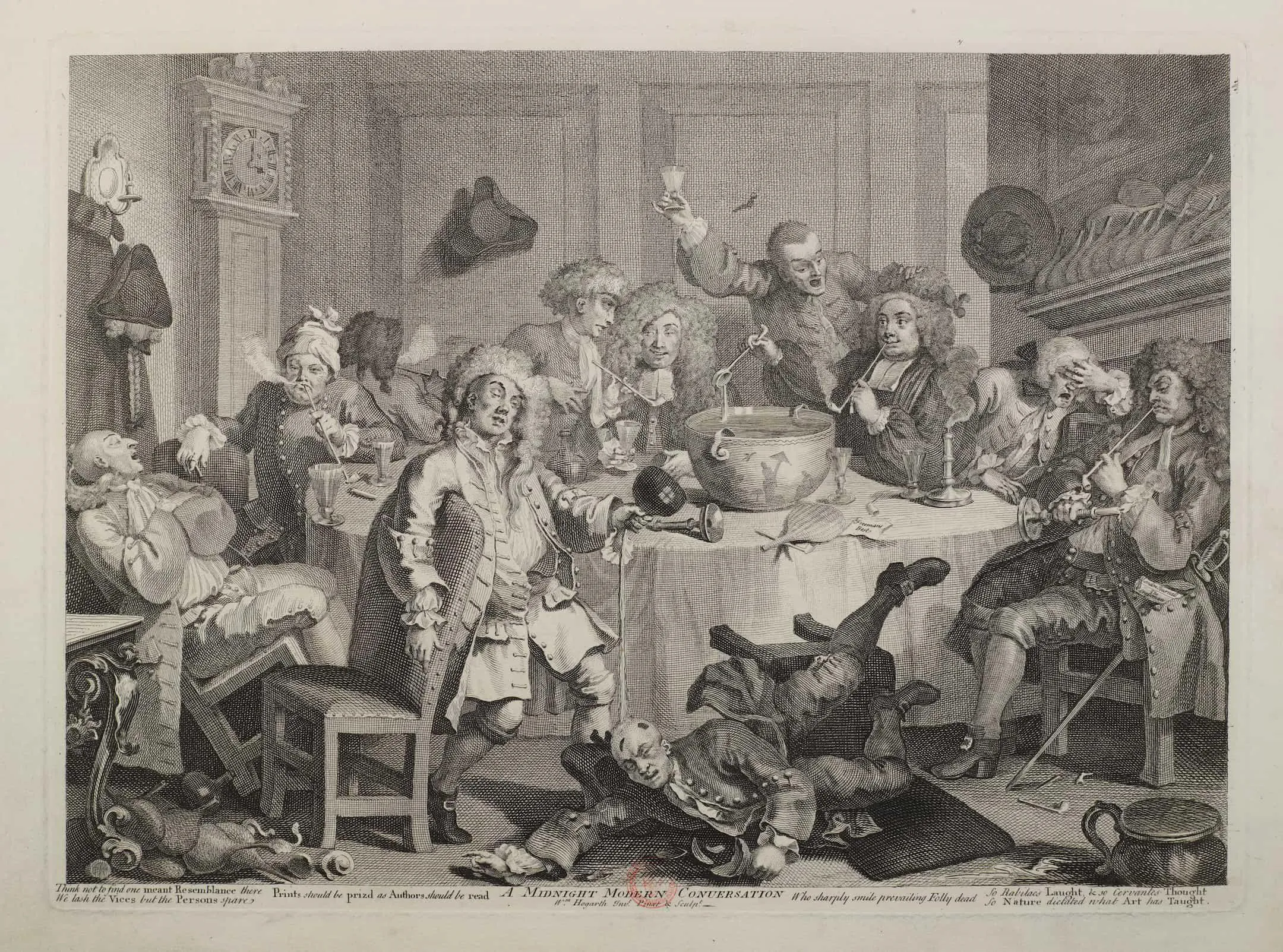
Of course we don't know what Bowie had envisaged for how the action would take place, but we hold images from this period that conjure up some scenes of debauchery and hedonism such as those depicted by William Hogarth.
Coffee Houses
The essays from 'The Spectator' were framed as observations made by “Mr. Spectator” in the London coffee‑house scene, and many issues were imagined—and often drafted—in these public social spaces. Coffee houses were central to both the production and distribution of 'The Spectator'. Addison introduces himself in the very first 1711 issue as appearing “on Sunday nights at St James Coffee House” where he listened to political discussions.
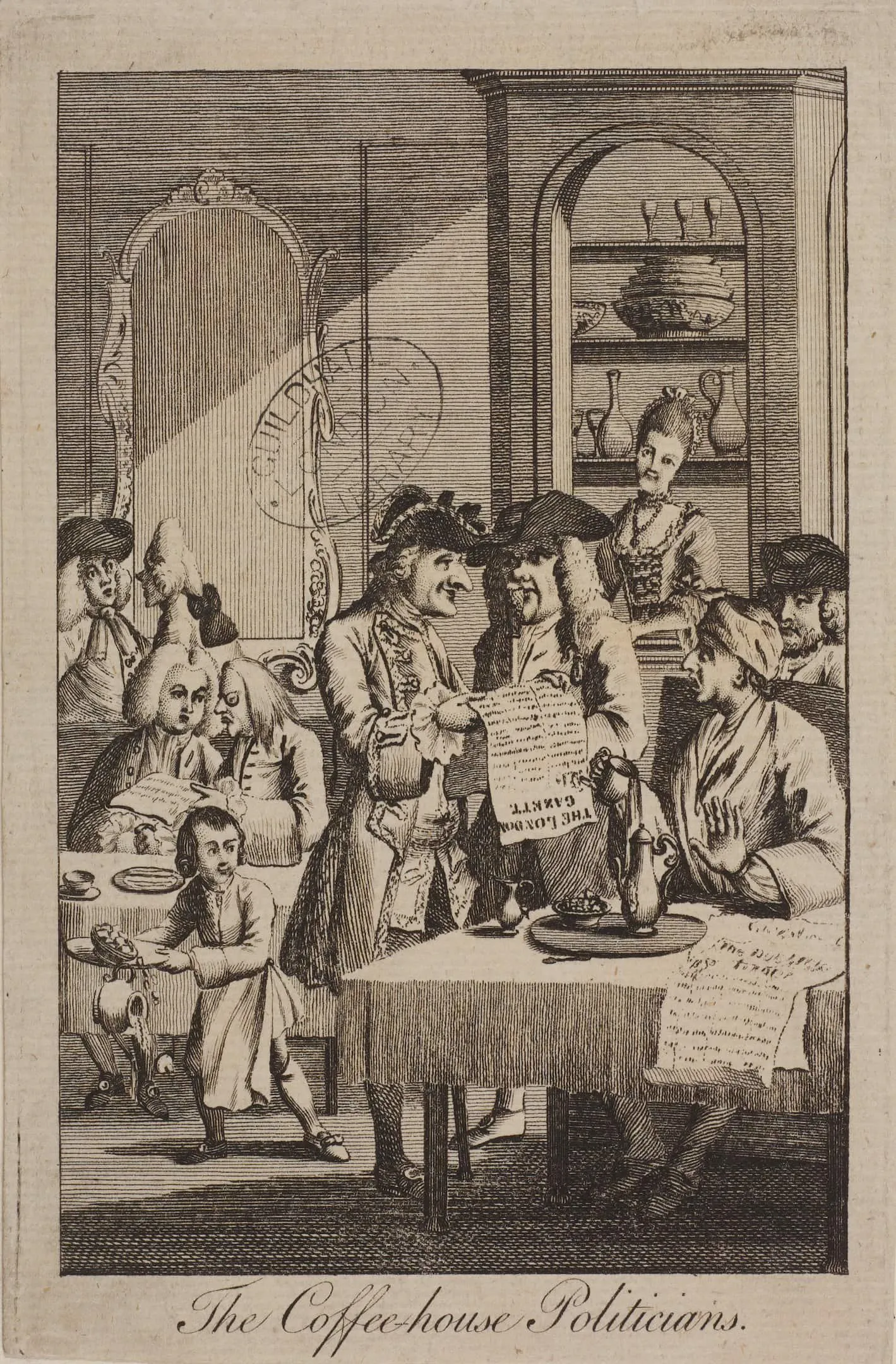
Bowie’s notes on the article by Addison, March 12, 1711, read: 'I bring Philosophy out of the closet to the Coffee House. Every family to read this paper. The Spec. who watch the world as theatre. The Blanks who wait to be told what to say (read my paper) females adjust their hair (read my paper).'
This can be further unpacked from the original article in this quote:
to enliven morality with wit, and to bring philosophy out of the closets and libraries, schools, and colleges, to dwell in clubs and assemblies, at tea-tables and coffee‑houses.
Covent Garden
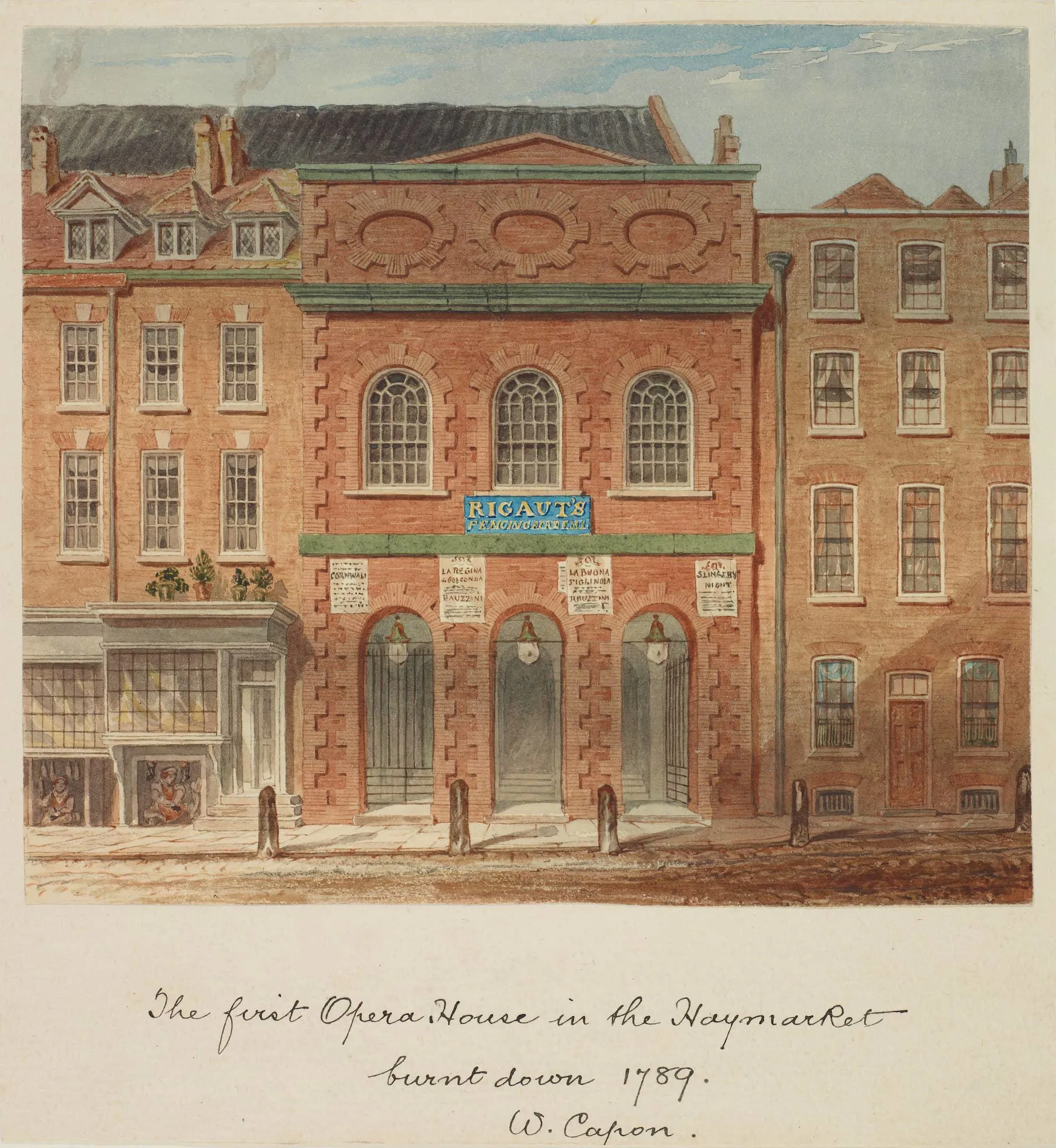
Bowie indicated that he was interested in the development of opera from Masques which were lavish court entertainments in England, combining music, dance, poetry, and elaborate scenery. While masques were not fully sung, they introduced the idea of integrating music and drama into a single performance.
Then came the invention of recitative—a style of singing that imitates speech rhythms, allowing dialogue to be sung while advancing the plot and the birth of opera. So we might imagine that opera might have informed part of the musical-style of the drama.
Crime
Jack Sheppard
In the BBC article from September 2025 it notes:
Bowie was particularly fascinated by crime and punishment. In one note, he envisaged the aftermath of a public hanging, with ‘surgeons fighting over corpses’. He also considered making Jack Sheppard, a petty thief who had won the public's affection, one of the main characters… and references ‘thief-taker general’ Jonathan Wild, a vigilante who was responsible for Sheppard's arrest and execution.
Jack Sheppard (1702–1724) born ‘John’ was a thief from Spitalfields and became famous for his remarkable escapes from London prisons. Originally apprenticed as a carpenter at Wych Street – east of Covent Garden, he became involved in crime, committing burglaries and robberies.
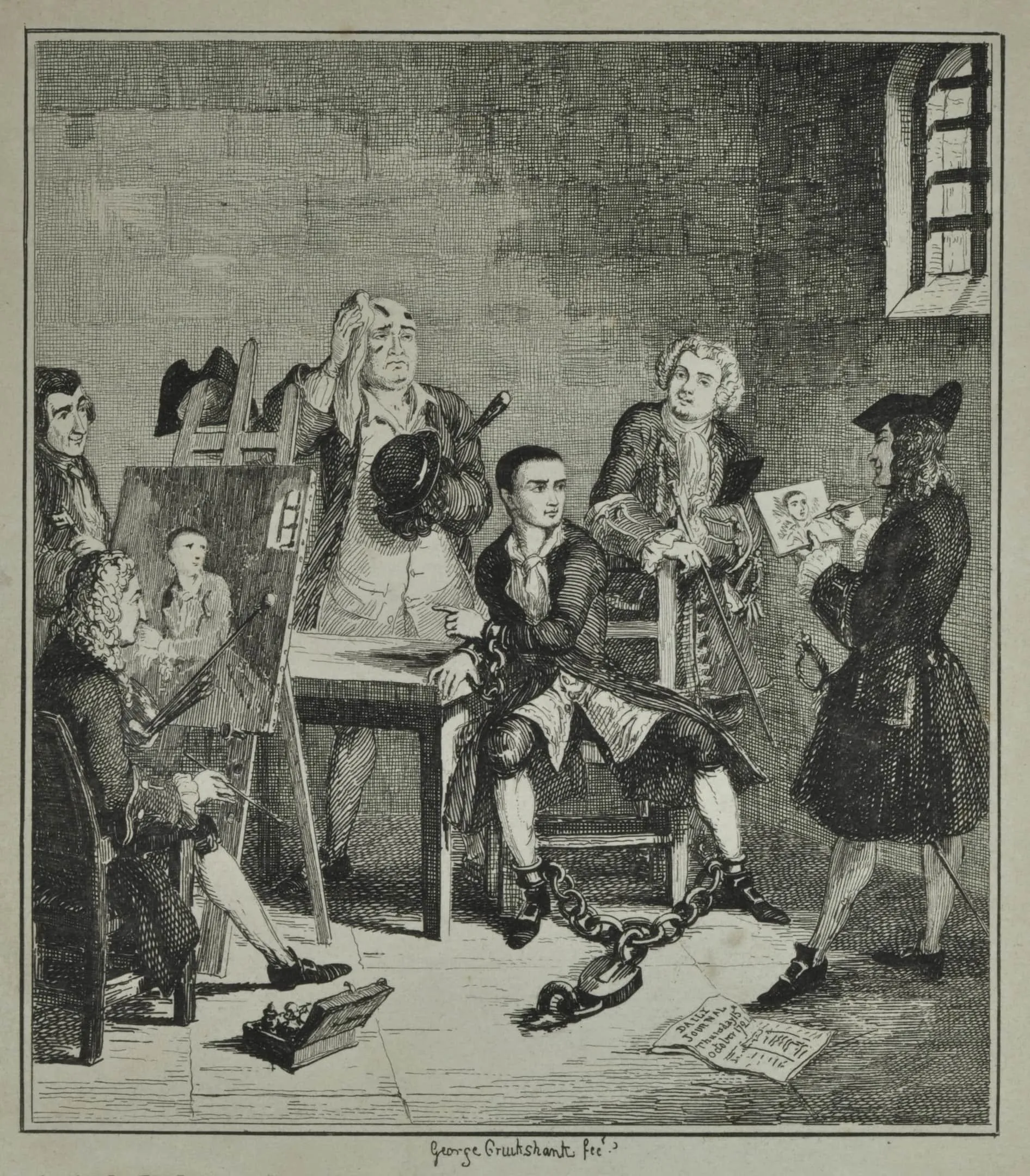
In 1724, he was arrested repeatedly but escaped four times, slipping out of irons, breaking through walls, climbing chimneys, and scaling prison buildings—especially from Newgate Prison and the New Clerkenwell Prison. These daring escapes made him a folk hero. This fame spread quickly through the dissemination of pamphlets, ballads, and plays, including a biography thought to be written by Daniel Defoe. Public fascination peaked when around 200,000 people attended his execution at Tyburn on 16 November 1724, at the age of just 22.
Jack Sheppard's legacy lived on and has been the subject of re-telling and a play of his life was performed at the Adelphi Theatre with Mary Anne Keeley playing the main part in 1839. Later, the film 'Where's Jack', starring Tommy Steele, appeared on screens in 1969, which Bowie was most likely aware of.
The Mohocks
Another possible plot point in Bowie’s mind involved the notorious gang known as the Mohocks. In the Post-it notes Bowie writes: 'Mohocks attack central figure'.
The Mohocks were allegedly a group of young aristocrats who formed a nocturnal club, borrowing their name from the Mohawk people which was intended to evoke fear. This was a sensational label created from a stereotype to cause a moral panic and was reported in 'The Spectator' as such. The attacks were a kind of sport.
The scare began in February 1712 and peaked in spring. Londoners feared to go out at night and the Crown offered a £100 reward for capture of any Mohock. At TLA there are some constables returns within the records of the Middlesex Sessions Papers such as this one:
Having made inquiry for all persons that are reputed Mohocks and all such persons that have been wounded or assaulted by them accord as my warrant directs and can hear of no such persons in my ward.
Historians debate whether the Mohocks were a real organised gang or a moral panic amplified by journalism. Some arrests occurred, but there is no real evidence of a formal club. It was most likely the result of class tensions and a fear of youth violence.
David Bowie ephemera held at TLA
There is more to explore at TLA such as photographs of significant London sites connected with David Bowie and some newspaper ephemera from the concerts held at Earls Court. Images can be searched on the London Picture Archive and information about the newspaper cuttings from the Earls Court collection can be viewed on our archival catalogue: LMA/4684/01/06/1973/002 and LMA/4684/01/06/1978/011.
Search the London Picture ArchiveSearch the catalogueThis research was presented as a talk in 2026 to commemorate the 10th anniversary of David Bowie's death. A repeat of this talk will be scheduled for 2027 and advertised on our What's On and Eventbrite page.
Contact the V&A
For further information about the content of David Bowie's notebooks please contact the V&A directly at the David Bowie Centre.