'A Stranger City' by Linda Grant
May 2026 - 'A Stranger City' by Linda Grant
In March, The London Archives’ Book Group read Linda Grant’s A Stranger City. Readers generally enjoyed this post-Brexit novel of contemporary London and felt that it sensitively handled some of the anxieties of the modern capital and what it means to make the city home.
An unknown woman
The plot revolves around the discovery of an unknown woman in the Thames and widens out to tell the story of a wide cast of Londoners in some way touched by her death. Watery themes give us a link to Dickens’ and Our Mutual Friend and the Dickensian capacity to show us Londoners in all their guises is certainly apparent. Amongst these we see Francesca the art historian, solidly middle class but financially precarious; Marco, a cynical, self-made young man on the up who thrives after a personal tragedy; Chrissie, an Irish nurse who goes viral on social media.
Threat of violence
Despite the sense of Londoners being in it together there’s a sense of anxiety, particularly directed as those perceived to be other or foreign, and this threat of violence is made real with shocking consequences. It reminded us that Londoners might dwell in their own bubbles but that we are all interconnected – through work, friendships, geography, and that these interconnections had reach beyond the city itself due to its international nature.
A question of memory
Readers were most enthusiastic about the section of the novel located on The Island, where Francesca encounters a curious set of twins – literally left behind from an earlier age. This moment of surrealism elevates the text from the state of the nation novel, asking instead questions about memory, and the palimpsest of London’s history. This location is a real one, between Stoke Newington Common and Hackney Downs, demolished in 1970. The inclusion of an elephant left us guessing – the elephant in the room or a figure that never forgets?
Archive sources
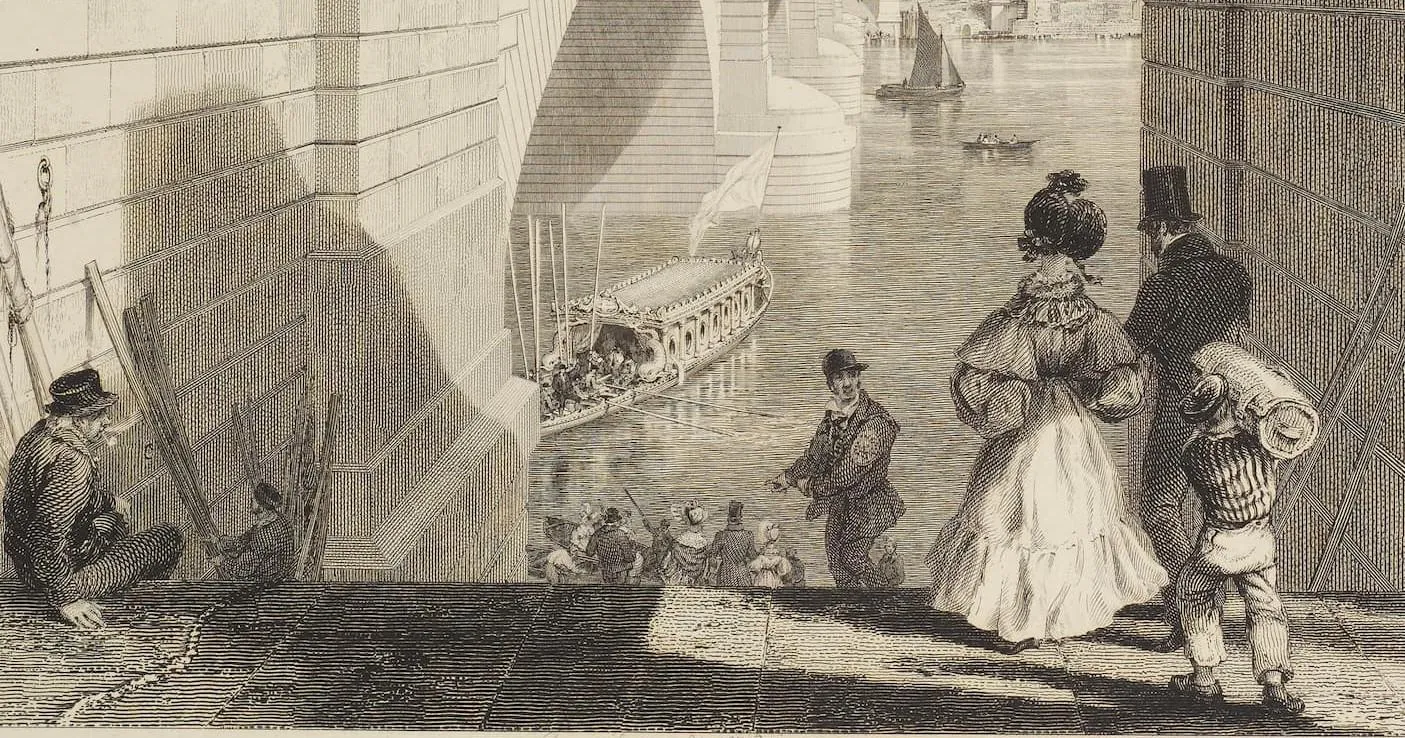
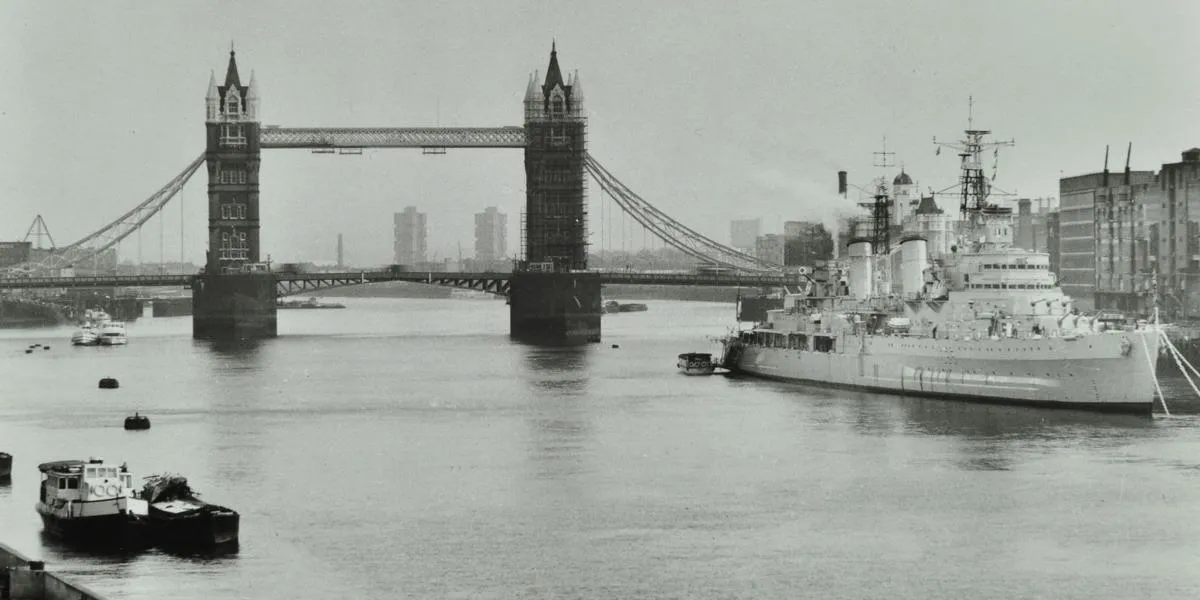
In the session the group looked at images of the Thames and life on the river, many of which can be viewed on the London Picture Archive.
Explore London Picture ArchiveA mixture of romanticised images and drawings documenting the demolishing and building of new bridges are apparent in the collection.