

The Hammersmith Ghost
The Haunting
In 1803, the residents of Hammersmith, a major riverside district in West London, were gripped by fear and hysteria, following rumours and sightings of a ghostly figure. It was often described as appearing “in a white sheet, and sometimes in a calf-skin dress, with horns on its head, and glass eyes.”
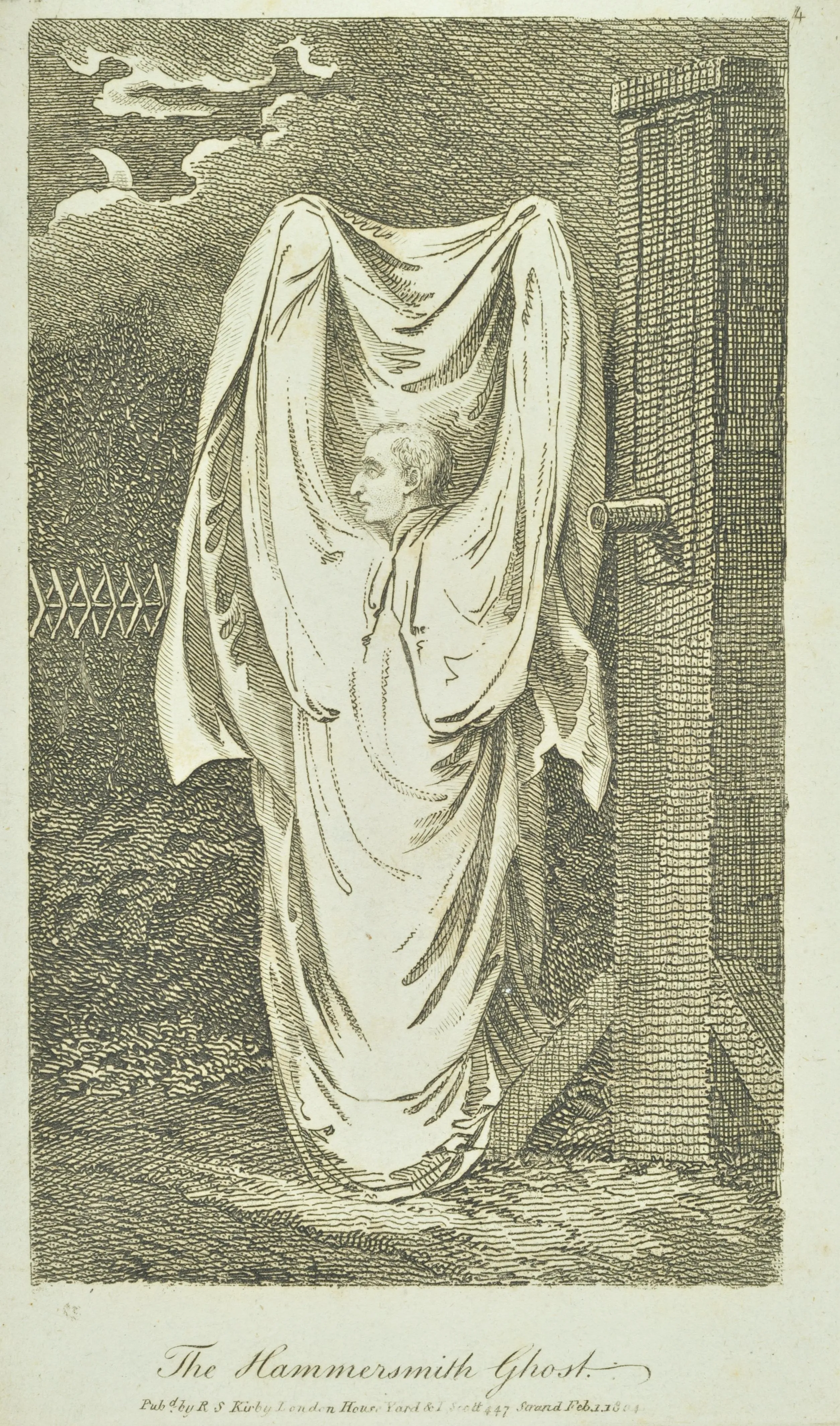
Residents believed the phantom to be the spirit of a man who had taken his own life the previous year. During the Georgian era, suicide was both widely condemned and against Church law. It was thought that the souls of these people would be unable to rest, hence the man’s spirit haunting the area. The figure was commonly seen in Black Lion Lane, near the four-mile stone and in St Pauls Churchyard, where the man had been buried.
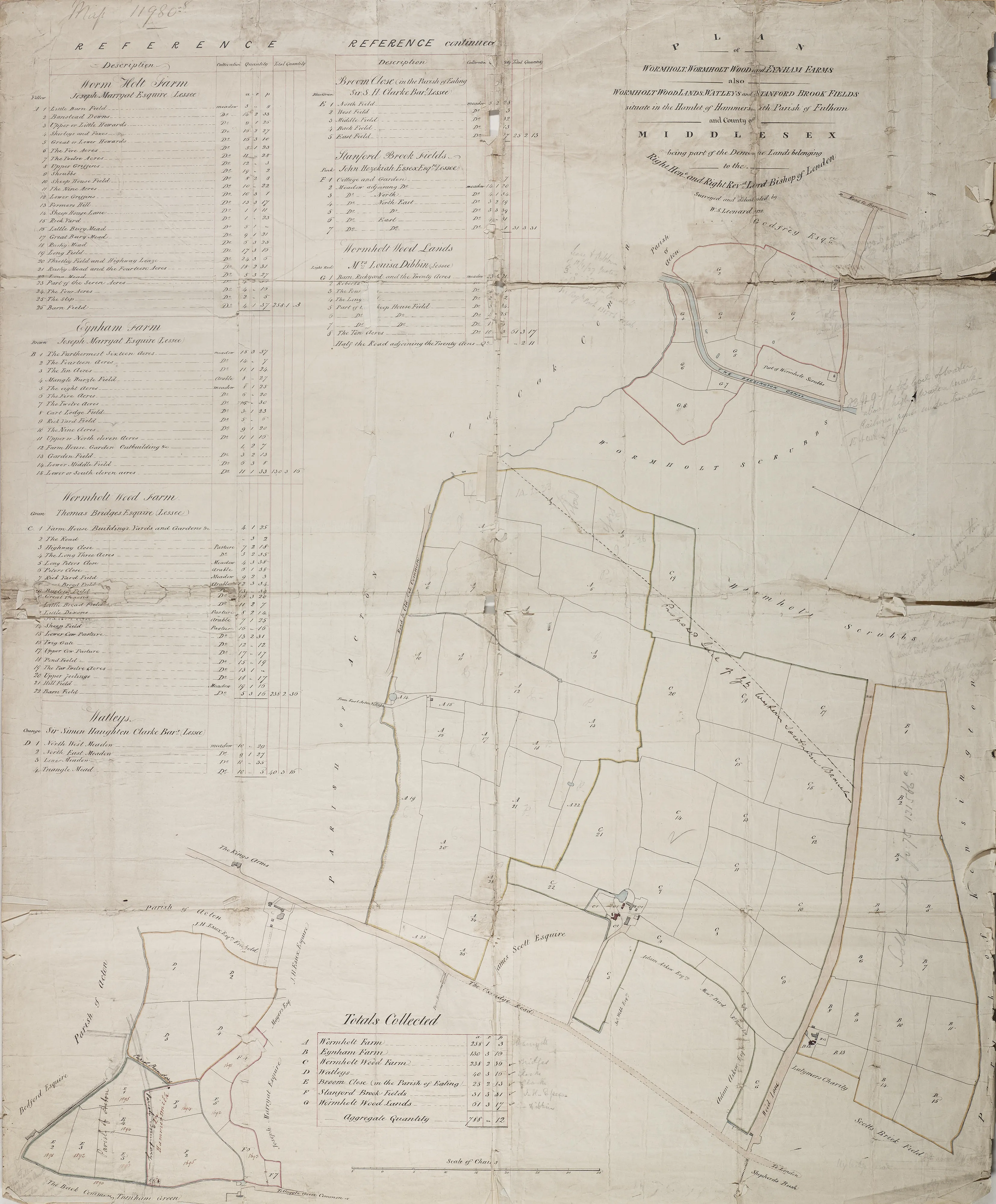
Thomas Groom, a witness of the Hammersmith Ghost recalled walking through the churchyard when someone sprang from behind a tombstone and “caught me fast by the throat with both hands and held me fast.”
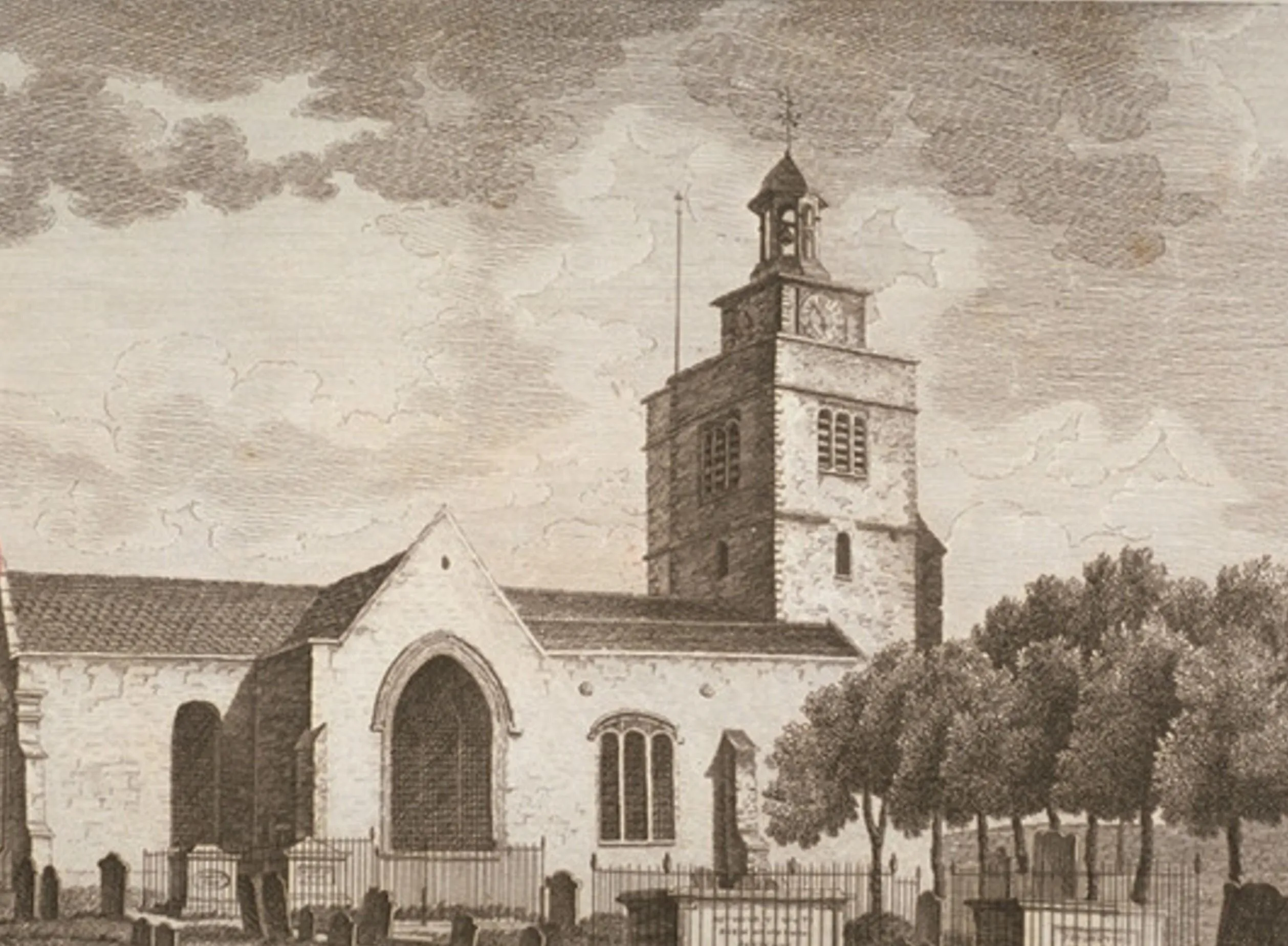
In response to the widespread terror, a group of men established a neighbourhood watch, dedicated to pursuing the ghostly phantom. Within this group was 29-year-old excise officer Francis Smith.
The Shooting
On 3 January 1804, after leaving the White Hart Pub on King Street, Francis Smith, armed with a blunderbuss, began walking after having told his friend Girdler that he was going to search for the ghost. Girdler recalled how he had “met him at the corner of Beaver-lane that night, and he said he was going to search after the ghost”.
Simultaneously, 32-year-old bricklayer Thomas Millwood began his walk home, having just left his parents’ house. Dressed in his all white work uniform, which was described by John Locke.
Linen trousers entirely white, washed very clean, a waistcoat of flannel, apparently new, very white, and an apron, which he wore round him; his trousers came down almost to the edge of his shoes
Millwood’s sister, Ann, was close by and had “heard a voice say, d - n you, who are you, and what are you, d - n you, I will shoot you?”, followed by the sound of a gunshot. Millwood died of his wounds.
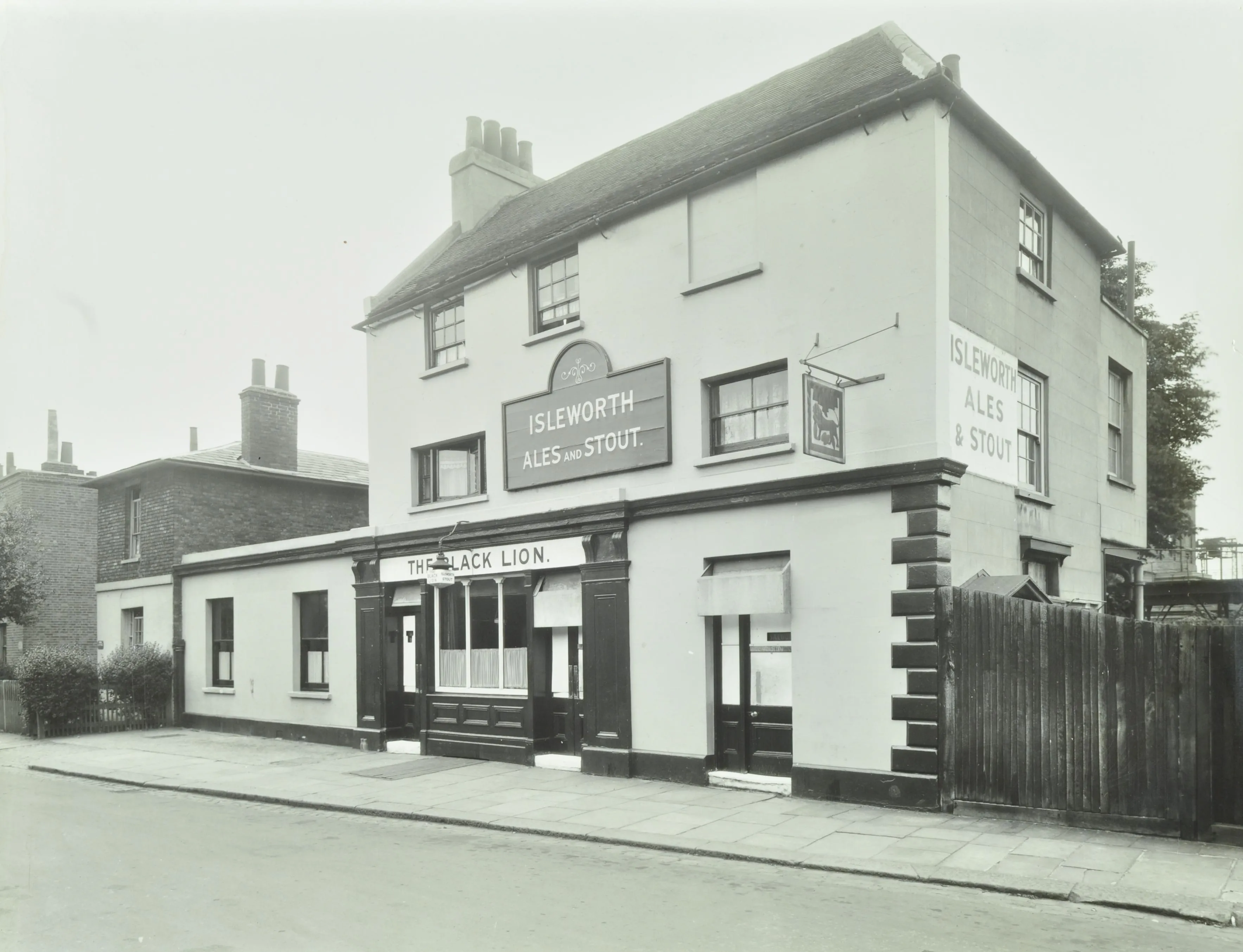
His body was carried to the Black Lion Pub. Mr Flower, a surgeon, examined his body on 6 January 1804, confirming that “a gunshot wound on the left side of the lower jaw with small shot, about size No. 4, one of which had penetrated the vertebrae of the neck and injured the spinal marrow" had been the cause of death.
The Trial
Smith was tried at the Old Bailey on 11 January 1804. He stated his lack of intention to kill an innocent man.
I had no intention to take away the life of the unfortunate deceased, or any other man whatever.
The Jury originally reached the verdict of manslaughter; however, the Lord Chief Baron informed them that they were not at liberty to find it, and that the prisoner must be found either guilty or not guilty of murder. They found him guilty of murder, and he was sentenced to death.
However, this sentence was soon commuted, following Lord Chief Baron Macdonald reporting the case to the King. King George III then issued a year’s hard labour, instead of the death sentence.
The Truth
The large amount of press and publicity that this case attracted encouraged the culprit behind the Hammersmith Ghost to come forward. An elderly shoemaker, John Graham, claimed that he had been the “ghost”, dressing up to frighten people, after his own children had been scared by ghost stories.
You can read the full trial account on Old Bailey Online.
Quotes and information taken from The Proceedings of the Old Bailey.
Londoners on Trial
To learn more about crime and punishment in London throughout the centuries, explore our current exhibition 'Londoners on Trial'.
Londoners on Trial