

The Art of Cookery with Hannah Glasse
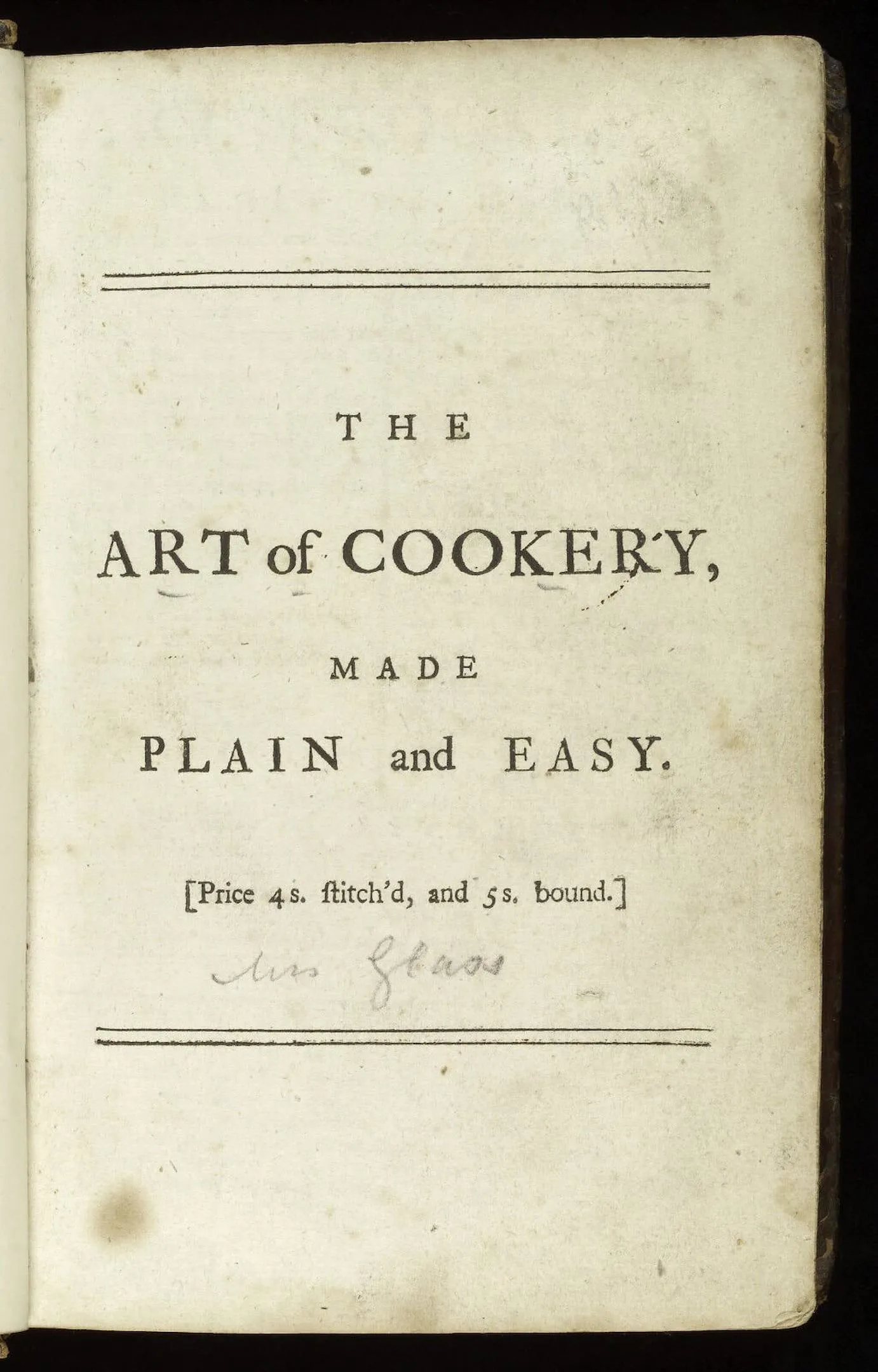
Hannah Glasse (1708–1770) was one of the most influential English cookbook writers of the eighteenth century. She is best known for 'The Art of Cookery Made Plain and Easy', which was first published in 1747, and was the century's bestselling cookery book for decades.
Unique in her approach
What made Glasse unusual was her approach. At a time when many cookery books were aimed at wealthy households and used elaborate French culinary terminology, she wrote in clear, practical English for ordinary household cooks and servants. Her recipes and instructions were designed to be easy to follow.
Some notable aspects of her legacy include:
- The first known English-language curry recipe appeared in her cookbook
- She provided early recipes for ice cream, pilau, and Yorkshire pudding, the latter being one of the earliest printed uses of that name
- Her work helped shape everyday British domestic cooking
- Influenced cooks in the twentieth century such as Elizabeth David and Fanny Craddock
Beginnings
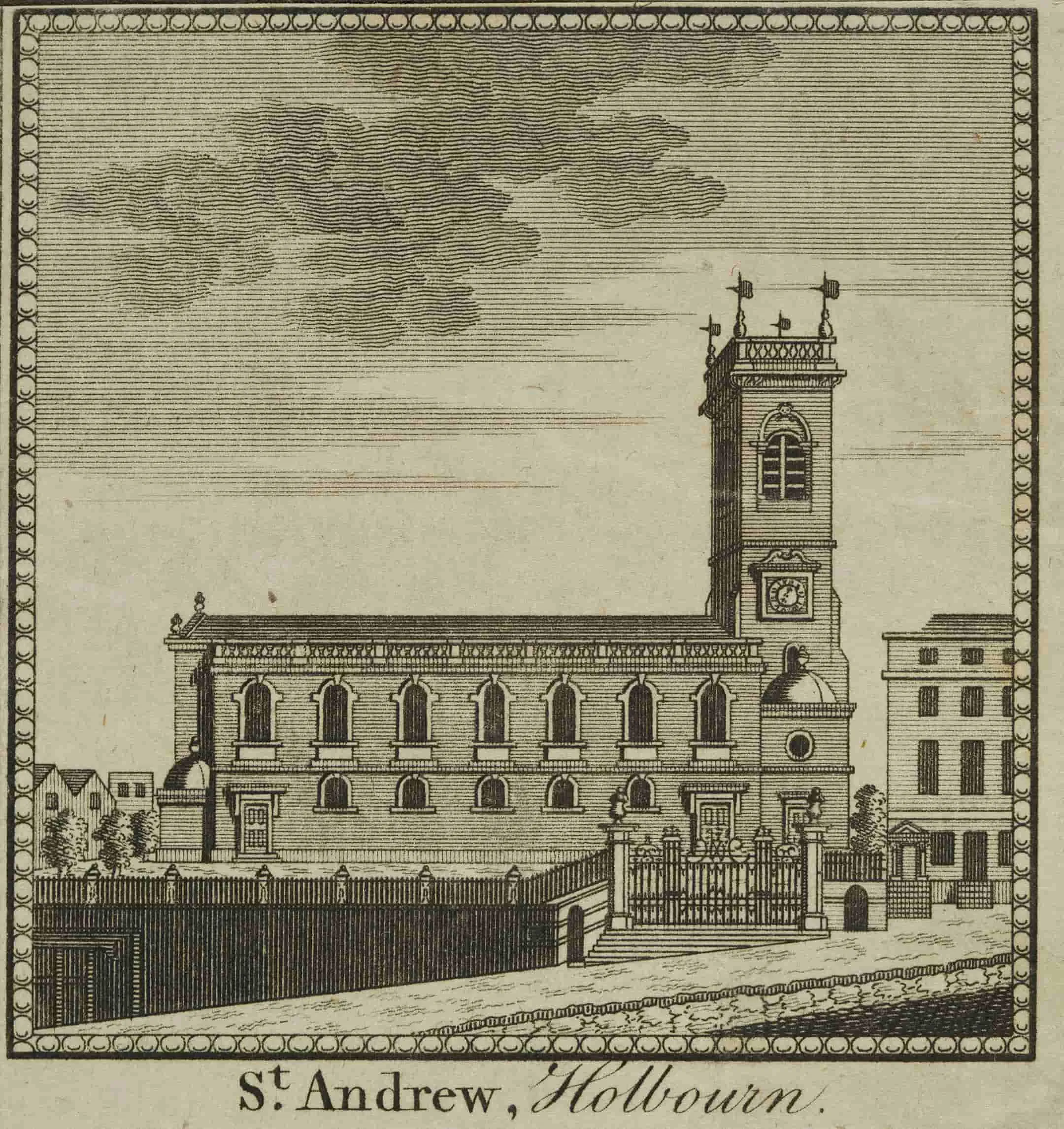
Glasse was born Hannah Allgood in London, the daughter of a Northumberland landowner Isaac Allgood and Hannah Reynolds. She was baptised at St Andrew, Holborn on 28 March 1708.
Hannah married John Glasse when she was 16 years old on 5 August 1724 at St Mary the Virgin, Leyton, Essex. We don’t really know what Glasse looked like as there are no surviving life-portraits.
Debts
Hannah Glasse was imprisoned in the Fleet Prison as a result of bankruptcy. By the 1750s she had accumulated substantial debts through her business activities and household expenses. Despite the tremendous success of 'The Art of Cookery Made Plain and Easy', the profits she personally received were limited, and she struggled to maintain financial stability.
Under eighteenth-century English law, debtors who could not satisfy their creditors could be imprisoned. As part of the bankruptcy proceedings, she was forced to sell the copyright to her famous cookbook, depriving her of a valuable source of future income. Glasse's case was typical of the precarious financial position many eighteenth-century middle-class women could face, even when their work was commercially successful.
The Fleet Prison stood just east of Farringdon Road near the River Fleet, not far from the publishing and bookselling district where many editions of her work were sold.
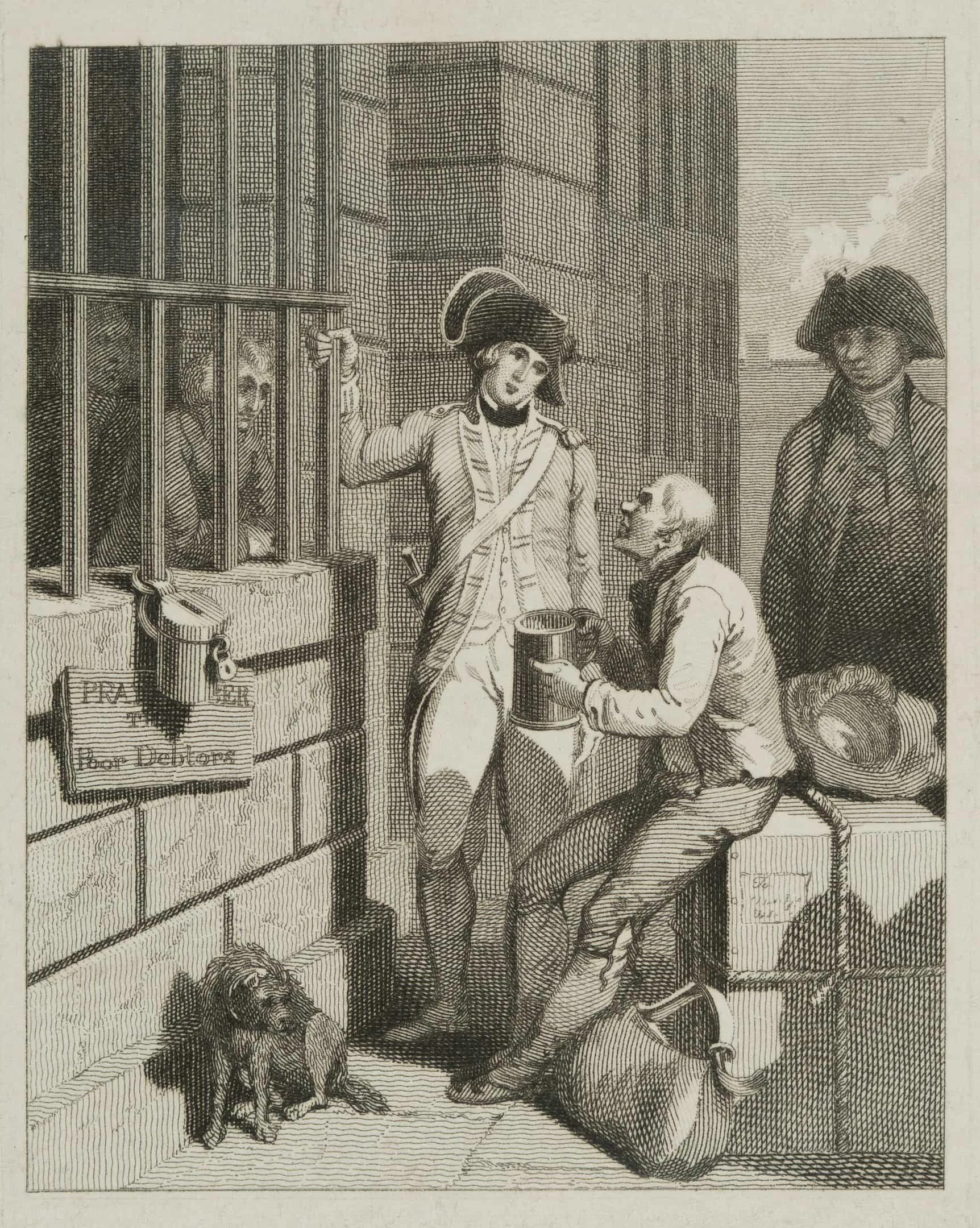
Imprisonment did not cancel the debt, and prisoners frequently had to pay for their own food, bedding, and other necessities. Consequently, many debtors relied on donations from relatives, friends, and the public 'Pray Remember the Poor Debtors'.
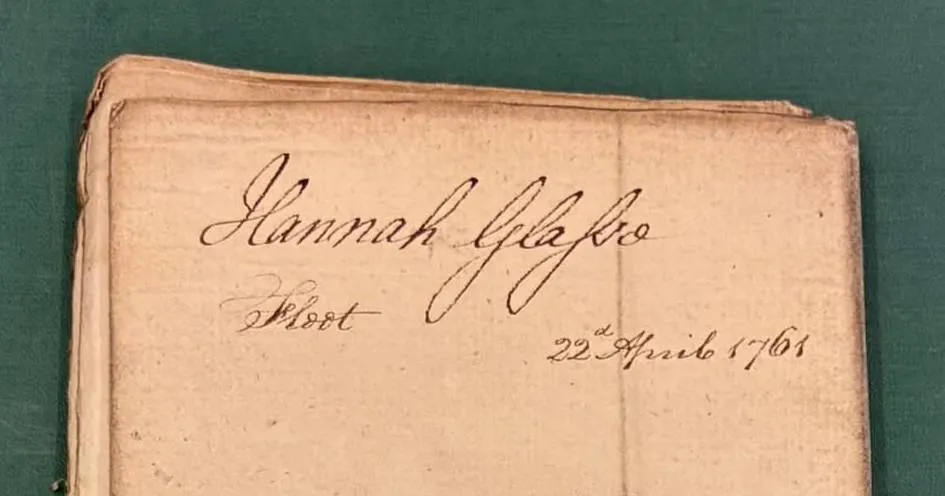
The following document held at TLA, confirms her time at Fleet Prison:
- Reference: CLA/047/LJ/17/047/088 - Hannah Glasse, Habit Maker to Warehouse Women of Tavistock Street, Covent Garden, Fleet Prison, 1761 April 22
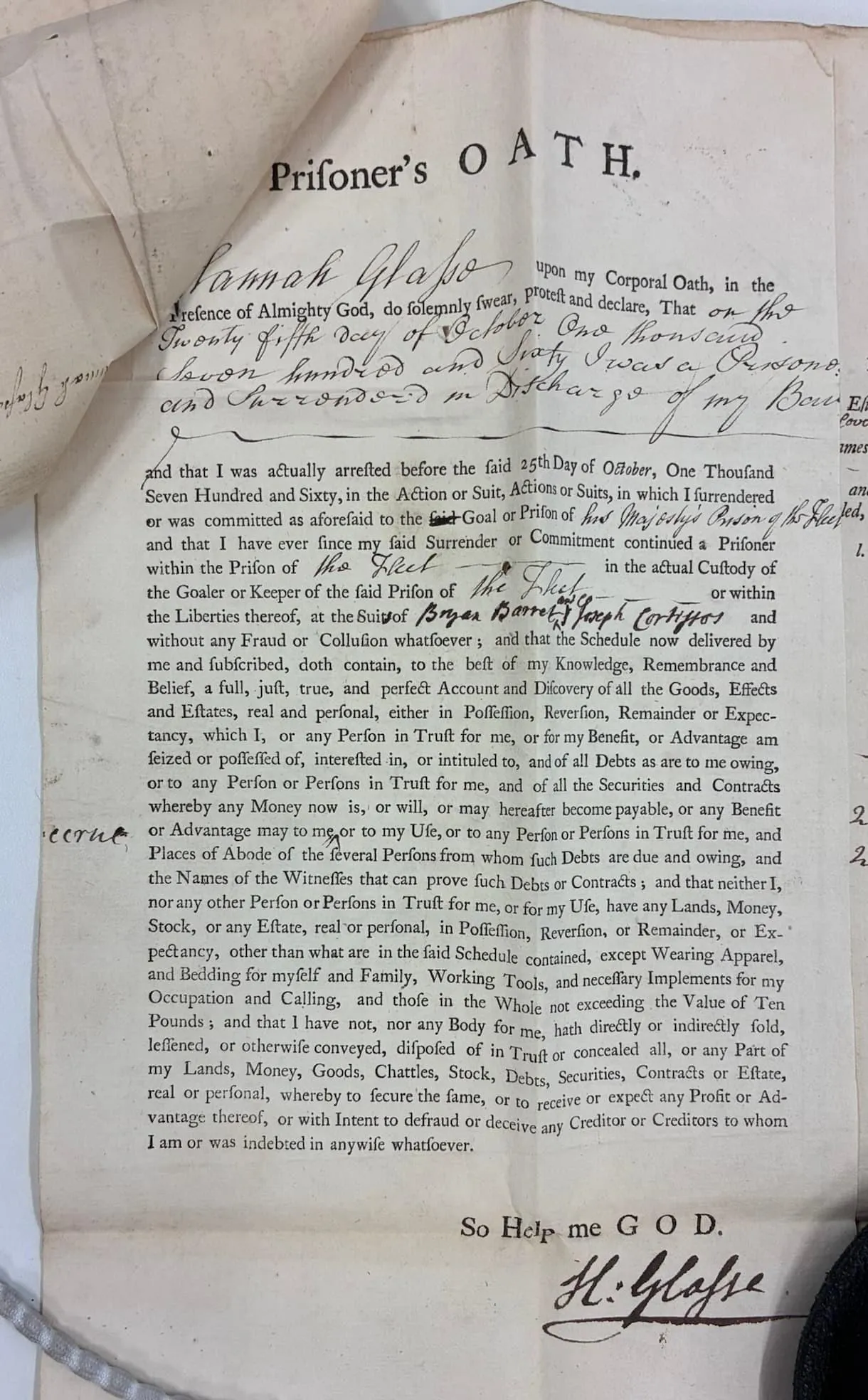
As can be seen from the catalogue entry, Glasse later became a dressmaker in Covent Garden but this still did not help to alleviate her debts. A trade card in the British Museum collection advertises:
Hannah Glasse Habit-Maker To Her Royal Highness the Princess of Wales... Makes & Sells all Sorts of Riding Habits, Josephs, Great Coats, Horsemens Coats, Russia Coats, Hussar Coats, Bedgowns, Night Gowns, and Robe de shambers [sic], Widows Weeds, Sultains, Sultrans, and Cantouches after the neatest manner...
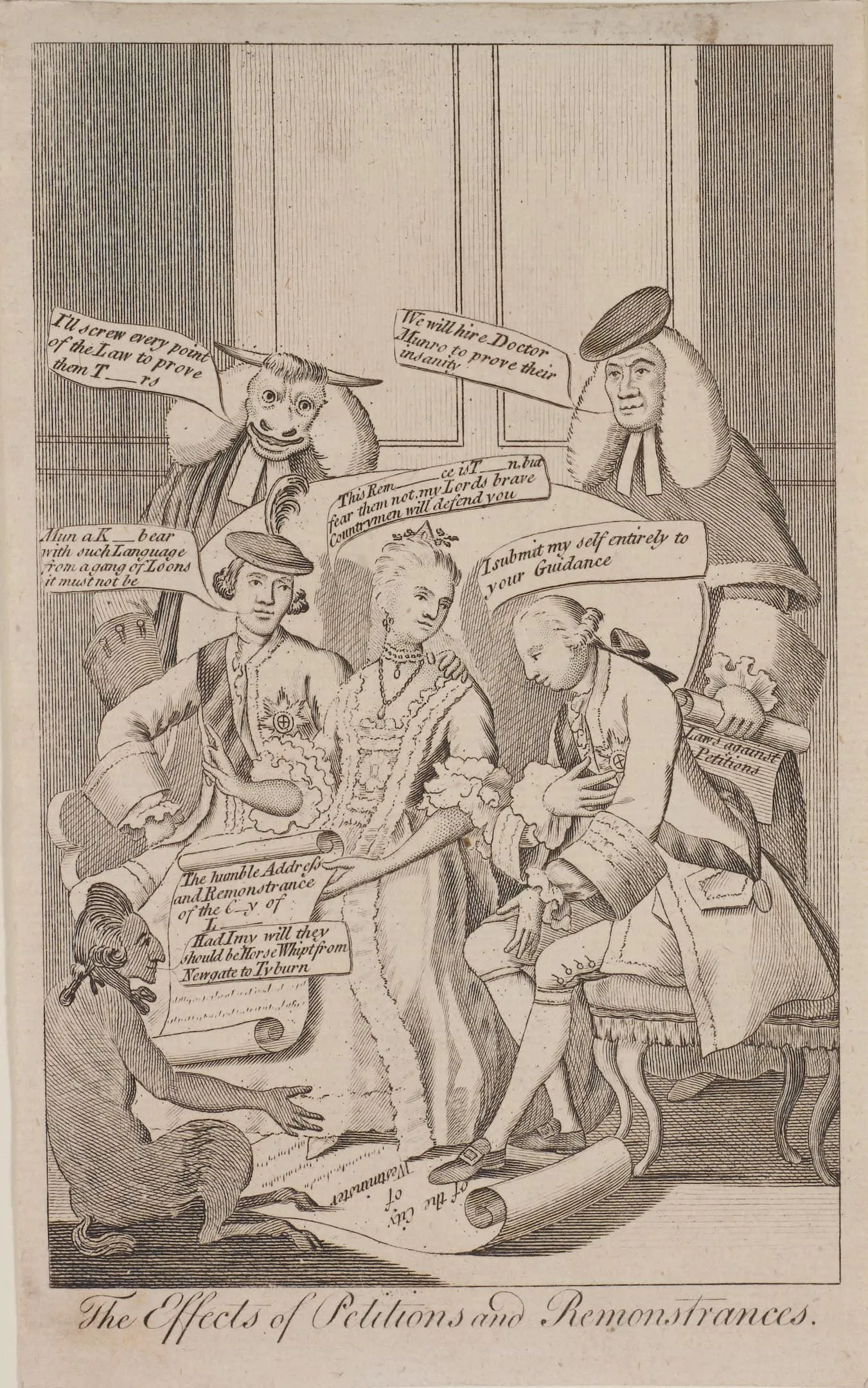
Glasse confirms that one of her clients was Princess Augusta, the Princess of Wales (mother of George III). Augusta was a controversial figure during the eighteenth century which a print in the TLA collection illustrates. The title of the satire refers to the public's attempts to influence government through petitions and remonstrances (these were formal complaints or protests to the Crown). It suggests that such appeals were ineffective because the King was being controlled by Dowager Princess Augusta and the Earl of Bute rather than listening to the nation.
Legacy
Hannah Glasse was buried on 8 September 1770, in the churchyard of St Margaret's, Westminster. Her legacy endures through the recipes she wrote down and we can still experiment with and adapt for today's tastes.
Try Recipes from the Art of Cookery
Potato pudding
Ingredients
- 350 g (12 oz) puff pastry
- 450 g (1 lb) potatoes, cooked and mashed
- 100 g (4 oz) unsalted butter, softened
- 100 g (4 oz) caster sugar
- 2 eggs, beaten
- 2 egg yolks, beaten
- 60 ml (4 tbls) sherry or brandy
- 7 ml (1 rounded tsp) grated nutmeg
- 125 ml (4 fl oz) double cream
- 100 g (4 oz) currants
Method
Roll out the pastry and use to line a 24 cm (9½ in) diameter, 5 cm (2 in) deep pie dish with a rim. Use the pastry trimmings to make a decorative border. Beat the remaining ingredients to a smooth batter and pour in. Place the dish above the middle of the oven and bake at gas mark 4, 180°C, 350°F for about 1 hour, or until risen and golden. Serve with hot wine sauce. This is good hot or cold.
Note - Vegetables such as potatoes, carrots, spinach and artichokes were often used in place of a cereal thickener in sweet dishes, pies and puddings. This recipe makes a rich yet delicate pudding-pie, which is rather like a curd tart.
Mrs Glasse advises that a stiffer mixture may be made with only 50 g (2 oz) butter, 3 egg yolks, 30 ml (2 tbls) liquor, formed into small cakes and fried in clarified butter.
A hedgehog (not a real one!)
Ingredients
- 225 g (8 oz) ground almonds
- 15 ml (1 tbls) sweet sherry
- 5 ml (1 tsp) orange flower water
- 3 egg yolks
- 2 egg whites
- 150 ml (¼ pt) double cream
- 85 g (3 oz) granulated sugar
- 50 g (2 oz) butter
- 2 cloves or currants
- 100 g (4 oz) blanched almonds, thinly sliced lengthwise
Method
Place all ingredients except the cloves or currants and sliced almonds in a large saucepan and mix together. Cook over a gentle heat, stirring constantly, until the mixture thickens sufficiently to hold its shape. Turn the mixture out onto a large plate and form into the shape of a hedgehog. Add eyes using cloves or currants, and spines using the chopped almonds. Surround the hedgehog with a sauce such as custard, or stewed fruit such as damsons, or apples cooked in red wine.
Other Sources
There is a wealth of information on Hannah Glasse and her recipes held at the Northumberland archives, where she had a family connection. You can find out more on their website.
Hannah Glasse at Northumberland ArchivesYou can also search through 'The Art of Cookery' online via the Internet Archive:
The Art of Cookery by Hannah Glasse'Londoners on Trial' Exhibition
Find out more on criminal London in our 'Londoner's on Trial' Exhibition.
Londoners on Trial Exhibition