

Murder Most Medieval
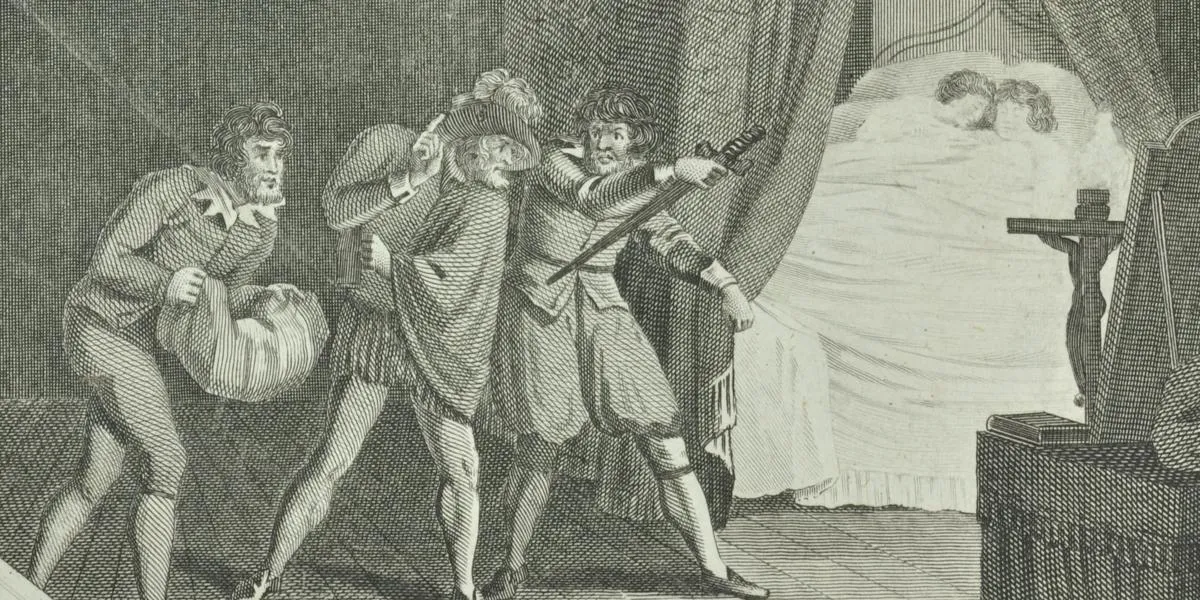
Crime and punishment in Medieval London: The London Eyre of 1244
The earliest item that we have on display in our 'Londoners on Trial' exhibition is called the London Eyre of 1244. This large medieval roll is made up of nine long membranes crammed with small handwriting on both sides. It records a process in which the King’s justices, known as the eyre judges, visited London to oversee the administration of the law. These men travelled across medieval England in a circuit, and at the time of their 1244 visit hadn’t been to London in 18 years.
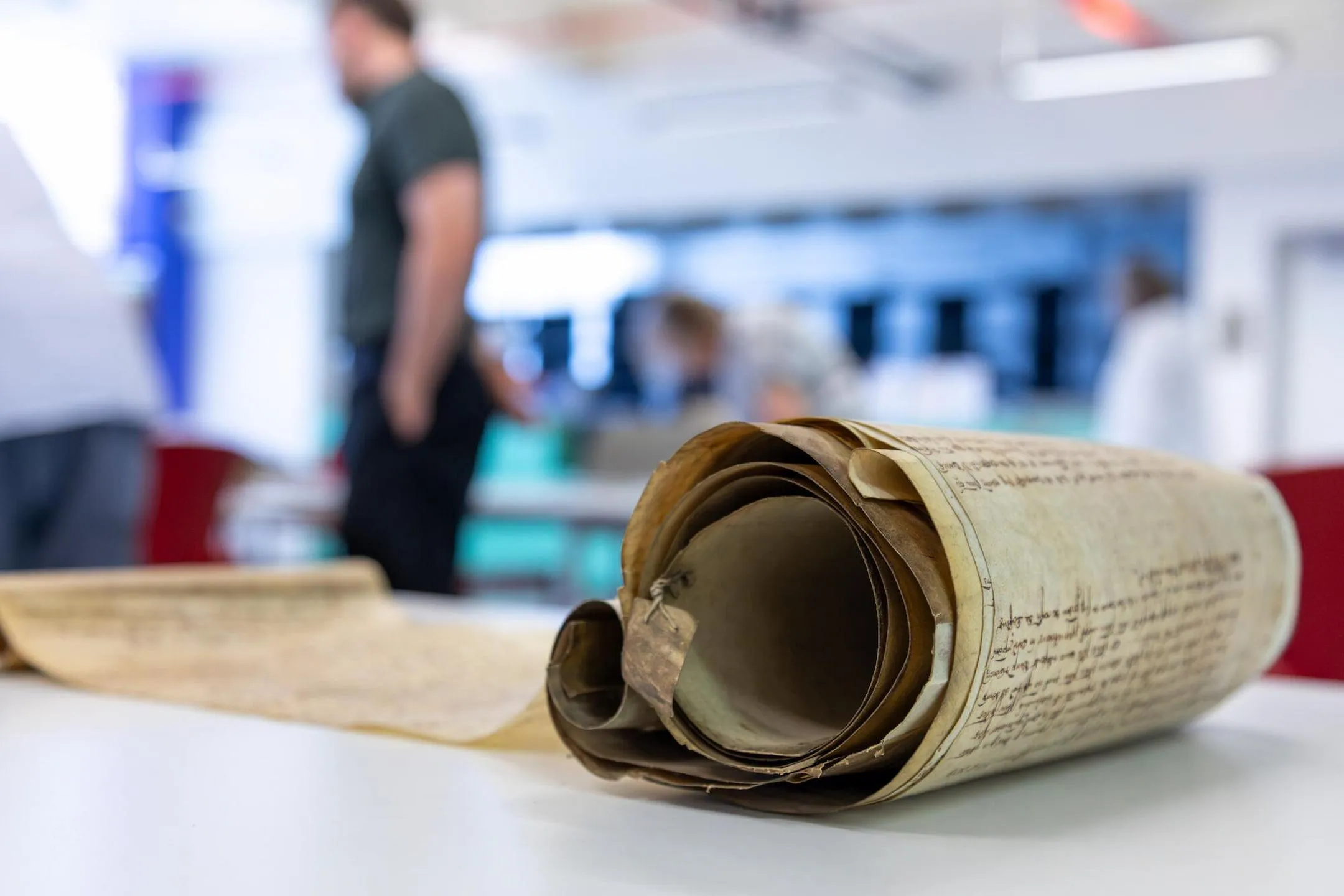
The eyre judges
The eyre judges dealt with a wide range of offences, including criminal offences and infringements of the King’s rights (both known as crown pleas) as well as inquests into property holding, particularly those which the King might want to acquire.
While written in 1244, the eyre justices looked back since their last visit, so the roll covers crown pleas that have taken place from 1225, as well as appeals, the City’s response to questions about specific rights and questions, and details of local customs regarding legal procedures, property rights and tolls. It is one of the earliest records that survive in our collection relating to crime and the justice system in London.
Medieval London was a violent place
On the basis of criminal offences described in this roll, medieval London was a violent place. Violence took place across society, involving social elites, often in the streets and public spaces of the medieval City. Most shocking to modern Londoners is the terrifying weapons such as axes and pikes that would be commonly used.
The cases
For example, one of the cases heard from 1226 described how:
it happened on the morrow of the feast of St Luke the Evangelist [19 October 1226] that Amyas, deacon of the church of St Peter Cornhill was found dead in the doorway.
It was alleged that the murderer was man called Wakelin, a vicar from St Paul’s and that he killed him with a medieval dagger called an anlace. Wakelin later fled, leaving a group of other chaplains to be arrested on suspicion of causing Amyas’s death. Eventually the Mayor ruled that they were not suspects, and they were acquitted. The court roll records that Wakelin should be, “put in exigent and outlawed”. To be outlawed was a serious punishment as it involved the loss of all property, civil rights and legal safety.

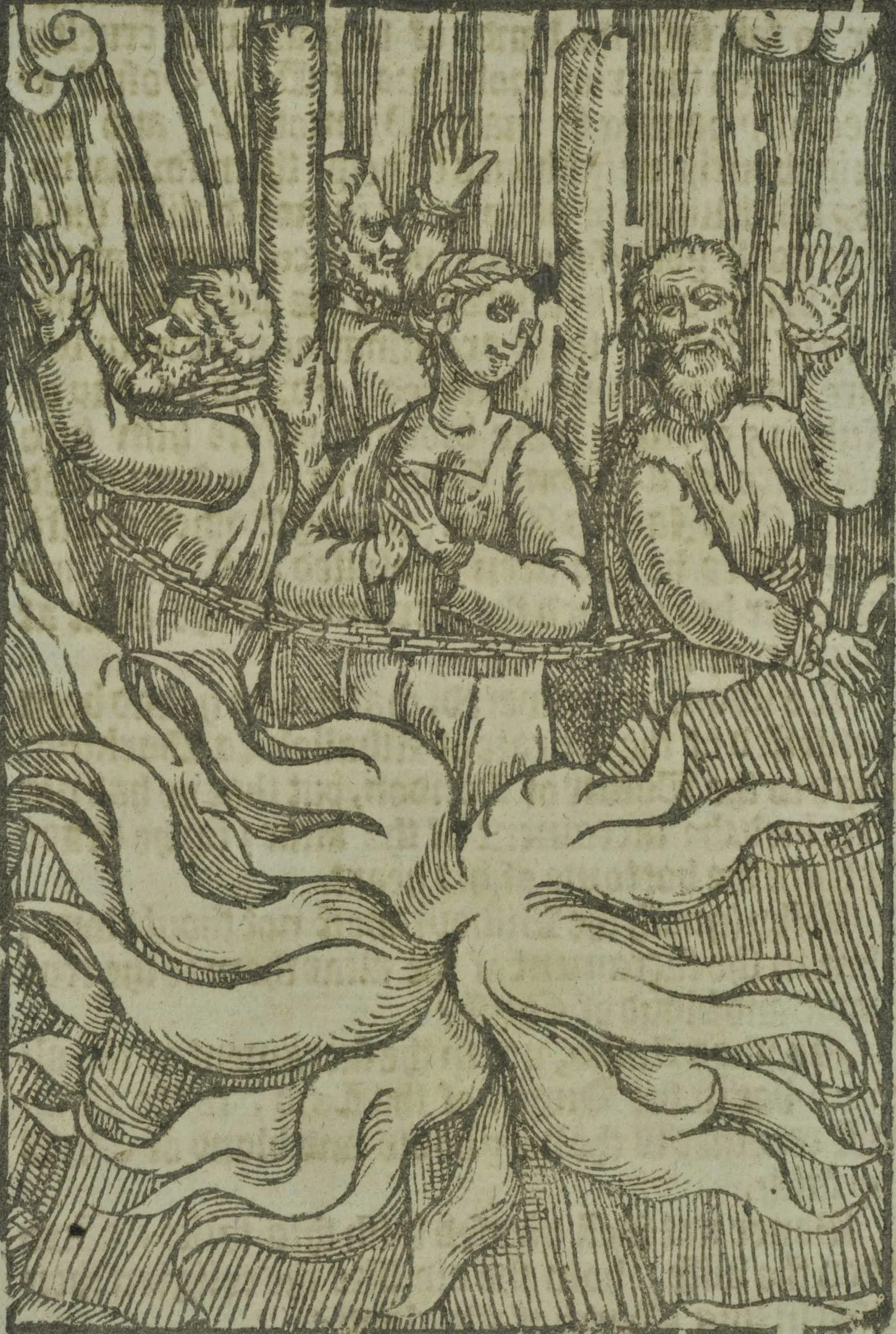
In 1240-1241, Roger le Sauser and a maid-servant named Inga left the house of Isolde of Tattershall in the City of London, and went to Gore in the county of Kent, carrying with them in a pot fire with which to burn down the house of Joce of Gore. They burned the house, and Roger killed Joce with an arrow, and fled to the church of Upchurch (a place of sanctuary, where someone could not be arrested) where he “acknowledged the deed and abjured the realm”. Asked through whom and for what reason he committed the crime, he said that Isolde sent him there to defend Inga and burn the house. On the next day, Inga returned to London to Isolde's house where she was arrested and imprisoned; and having been convicted of the deed, was burned at the stake in a form of punishment reserved for women who committed serious crime. Isolde was released on bail according to the law of the City but was brought before the court, at which point she claimed not to have directed Roger and Inga to commit their crime. Unfortunately, we do not find out what happened to her.
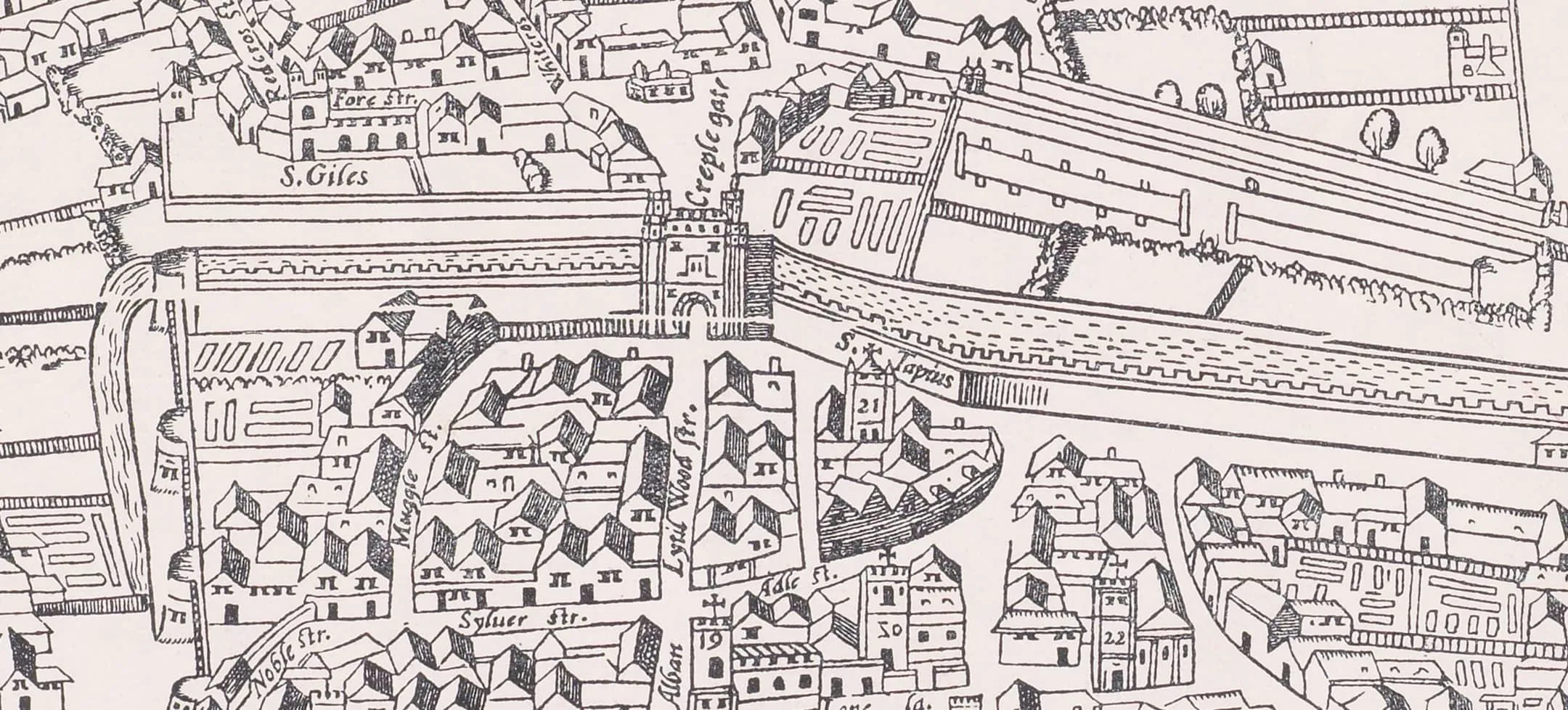
On the feast of the Exaltation of the Holy Cross (14 Sept. 1243) the roll records that Mabel, wife of John le Fundur, Juliana and Maud la Mareschale, and a certain Pavia, beat a woman named Galiena in the parish of St. Giles without Cripplegate. John le Funder struck her upon the head and between the shoulders with an axe and she was killed. The attackers fled, but because the murder took place in a liberty technically outside of the City of London, the City’s aldermen could not intervene, it taking place outside their jurisdiction. The were tried before the justices in Middlesex and were acquitted.
The Medieval Murder Map
It has been estimated that the number of murders in London was approximately 15-20 times higher than current levels. As well as the records of London’s criminal courts, the coroners’ records for London can give us an insight into the dangers of life in medieval London. Some of these have been mapped by researchers from the University of Cambridge, allowing us to explore in detail where such crimes took place, the gender, age and trade of murderers and victims and the weapons used:
Search the Medieval Murder MapVisit the 'Londoners on Trial' exhibition
Find out more about crime in London from the Medieval period until the early twentieth century in our exhibition.
Visit Londoners on Trial exhibitionSpotlight on Medieval London
See a selection of items from our rich collection of medieval archives, including a rare opportunity to view two illuminated manuscripts. The display is on now until 17 December 2026.
Spotlight on Medieval London