

Licensing the Halls
Music halls were among the most popular forms of entertainment in Victorian and Edwardian London, attracting audiences from all sections of society. Behind the glamour, however, stood a complex system of regulation that shaped everything from theatre architecture and fire safety to the conduct of performers and audiences.
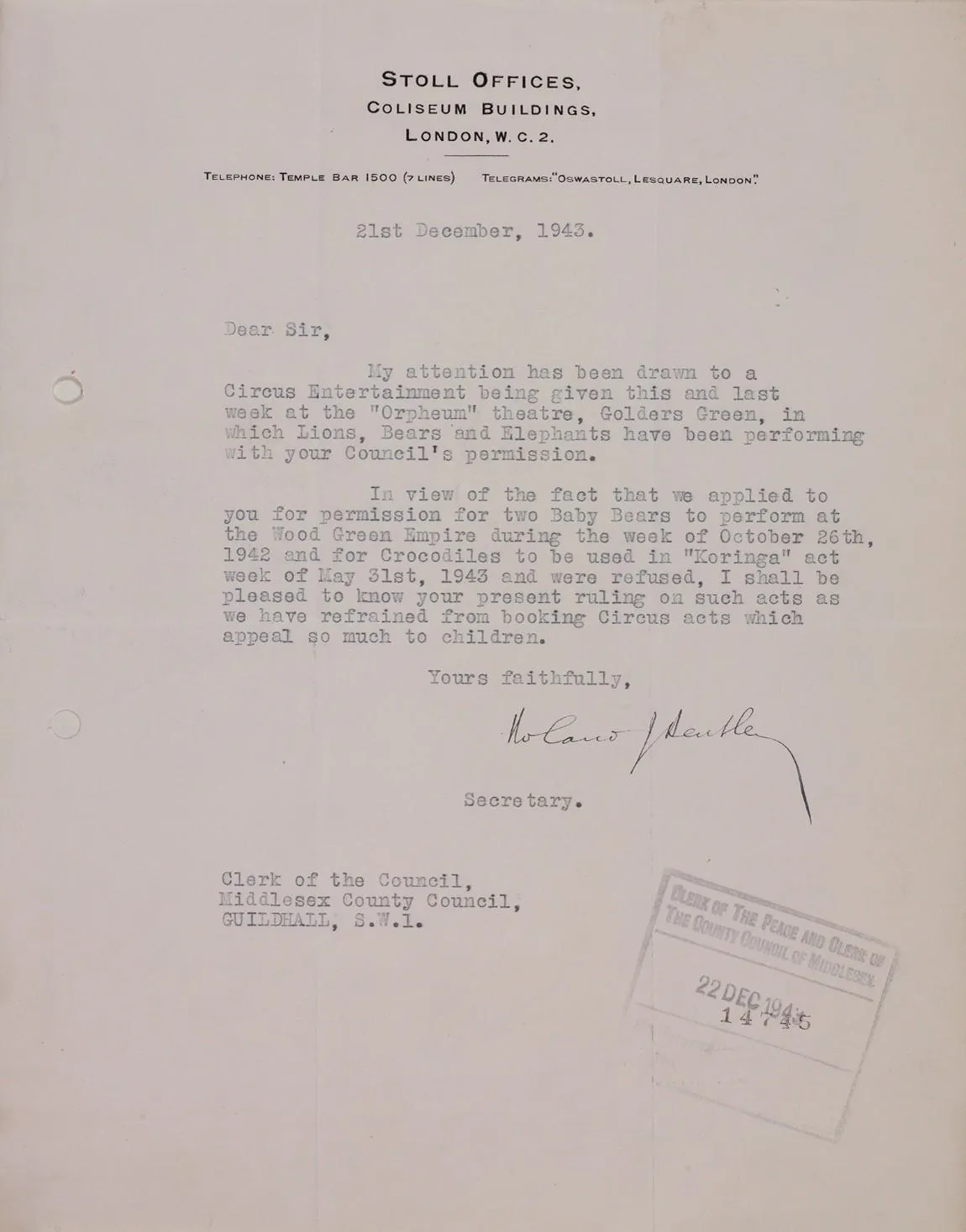
The Local Government Act of 1888 transferred responsibility for entertainment licensing from the Quarter Sessions to newly established County Councils, including the London County Council (LCC) and Middlesex County Council (MCC). In London, the LCC's Theatre and Music Hall Committee, established in 1889, oversaw the licensing of theatres, music halls and other premises used for public entertainment. Similar responsibilities fell to the MCC's Entertainments Licensing Committee in suburban Middlesex. These duties later passed to the Greater London Council in 1965.
Each year, councils considered new licence applications and renewals, weighing evidence submitted by venue owners, performers, local authorities and members of the public. Decisions were informed by inspection reports from engineers, fire officers and licensing inspectors, alongside architectural plans, correspondence, playbills, programmes, tickets and extensive witness testimony.
Council regulation extended beyond questions of safety and structure. Inspectors regularly attended music halls anonymously, observing performances and audiences first-hand. Their reports often recorded song lyrics, sketches and audience behaviour in remarkable detail, reflecting contemporary concerns about public morality as well as entertainment.
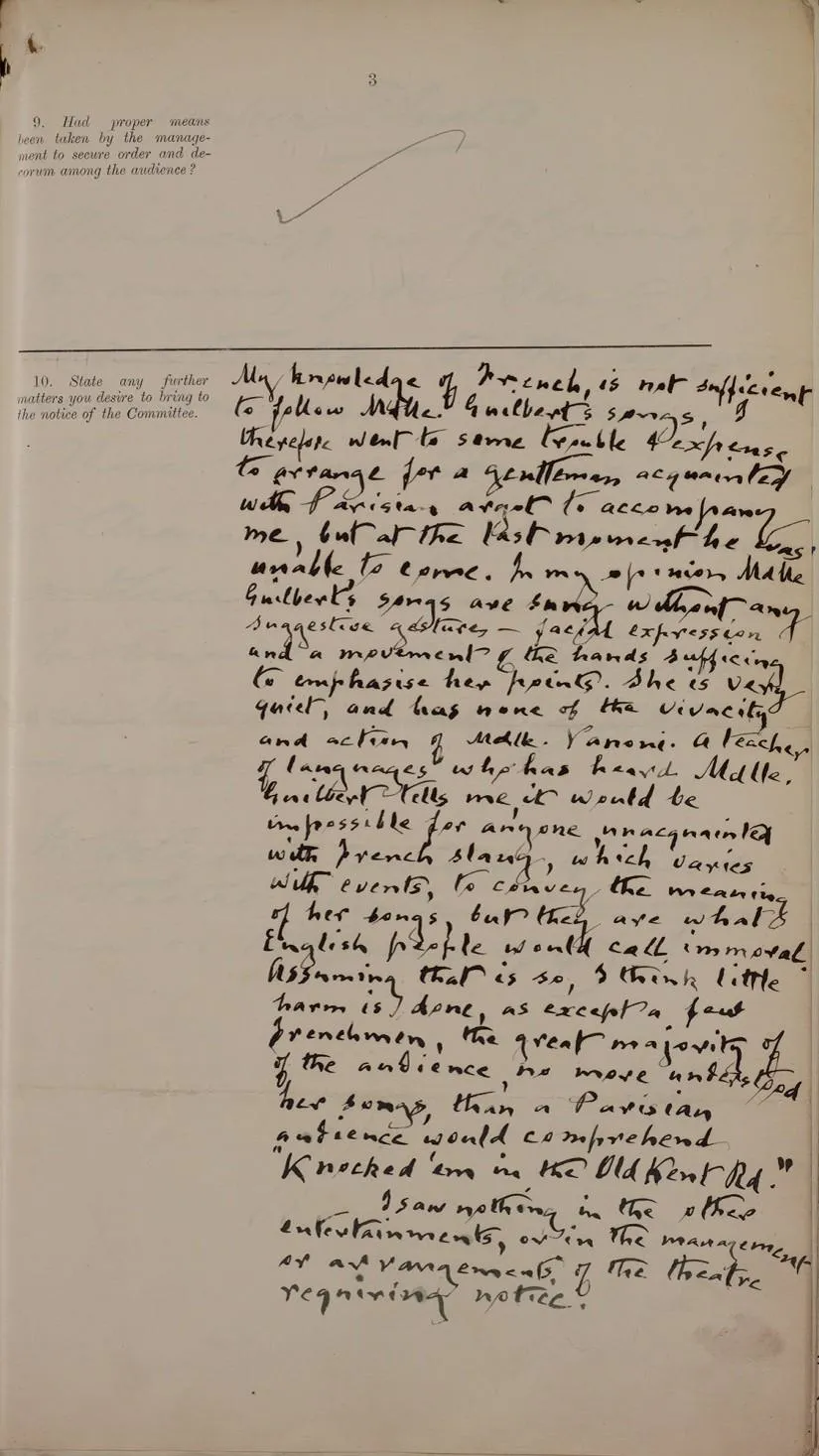
As a result, the Minutes, Presented Papers and Building Act Case Files created during the licensing process provide an extraordinary record of music hall life, preserving vivid insights into performers, managers, audiences and the venues themselves.
The Empire and "The Prudes on the Prowl"
Among the thousands of licensing papers preserved at The London Archives, few cases better illustrate the tensions between popular entertainment and civic regulation than the controversy surrounding the Empire Theatre of Varieties in Leicester Square.
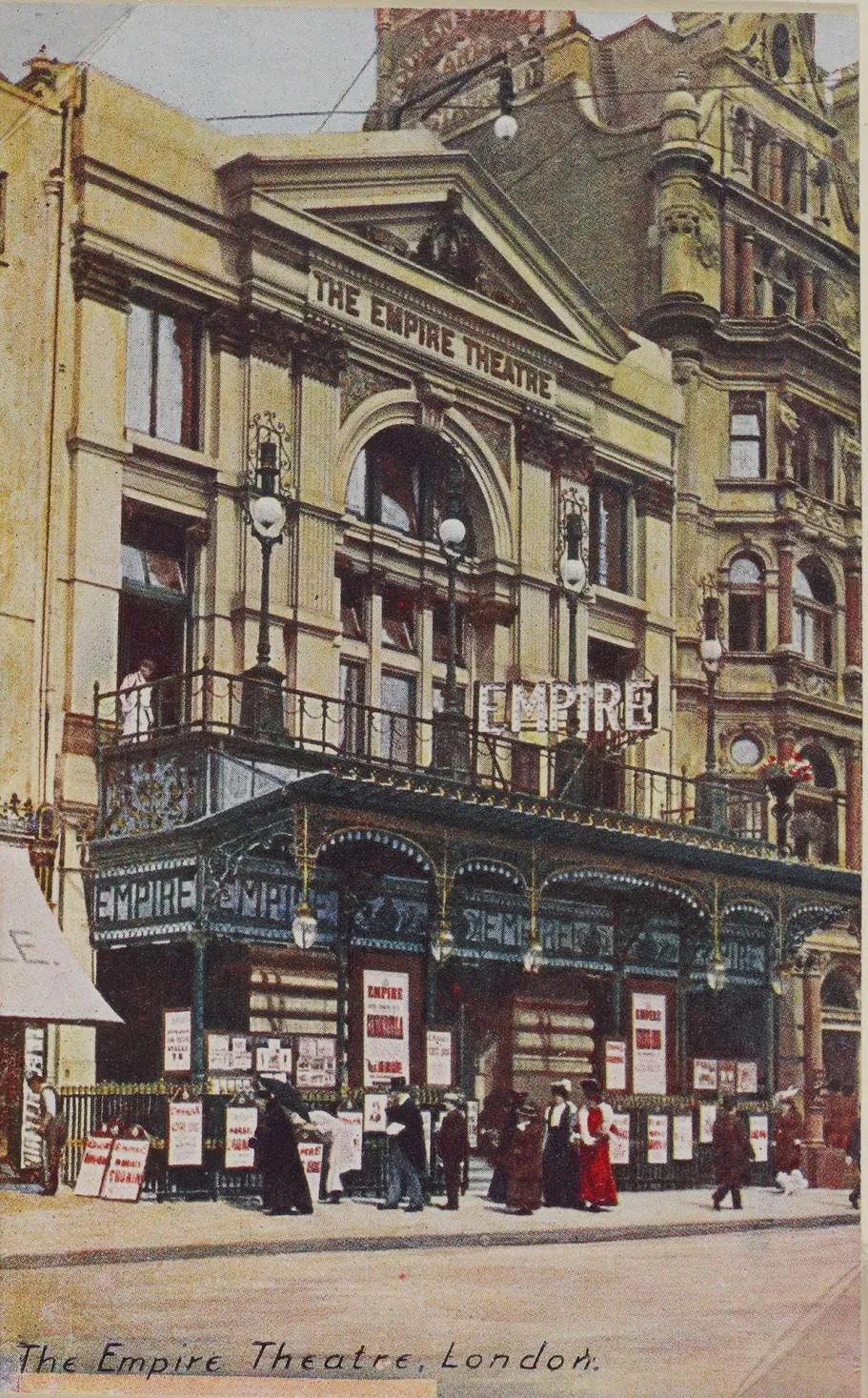
Originally opened as a theatre in 1884, the venue was transformed into the Empire Palace of Varieties in 1887 under the management of George Edwardes and Augustus Harris. One of London's most fashionable and successful music halls, it attracted large audiences and leading performers.
In 1894, what should have been a routine licence renewal became one of the most widely publicised licensing disputes of the Victorian era. Social reformer Mrs Ormiston Chant and her supporters argued that the Empire's promenade had become a meeting place for prostitution and demanded stricter control of the venue.
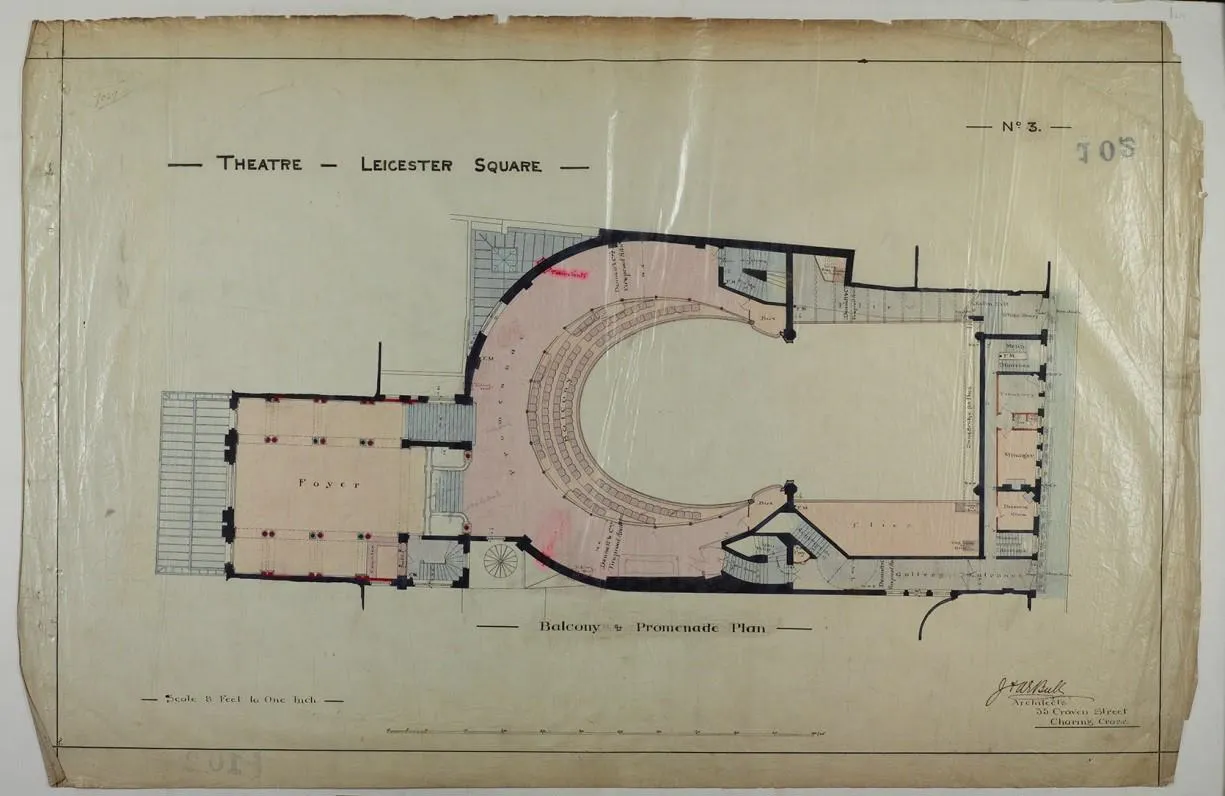
Their campaign drew support from reports submitted by LCC inspectors, including observations that unaccompanied women were regularly entering the hall without payment.
The resulting controversy dominated newspaper headlines under the banner "The Prudes on the Prowl" and sparked a heated national debate about morality, censorship and personal freedom. The licensing papers reveal the breadth of public opinion involved. Alongside complaints were letters from performers, trade unions, theatre workers and regular patrons who defended the Empire and warned that restrictions could damage both livelihoods and London's entertainment industry.
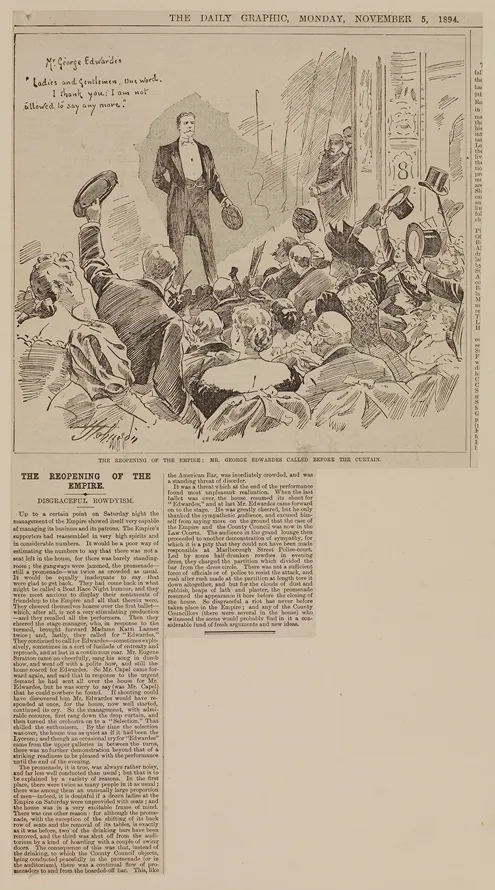
Although evidence of wrongdoing was very limited, the LCC renewed the Empire's licence only on condition that a screen be erected to separate the promenade from the dress circle and that restrictions on alcohol consumption in the auditorium remain in force.
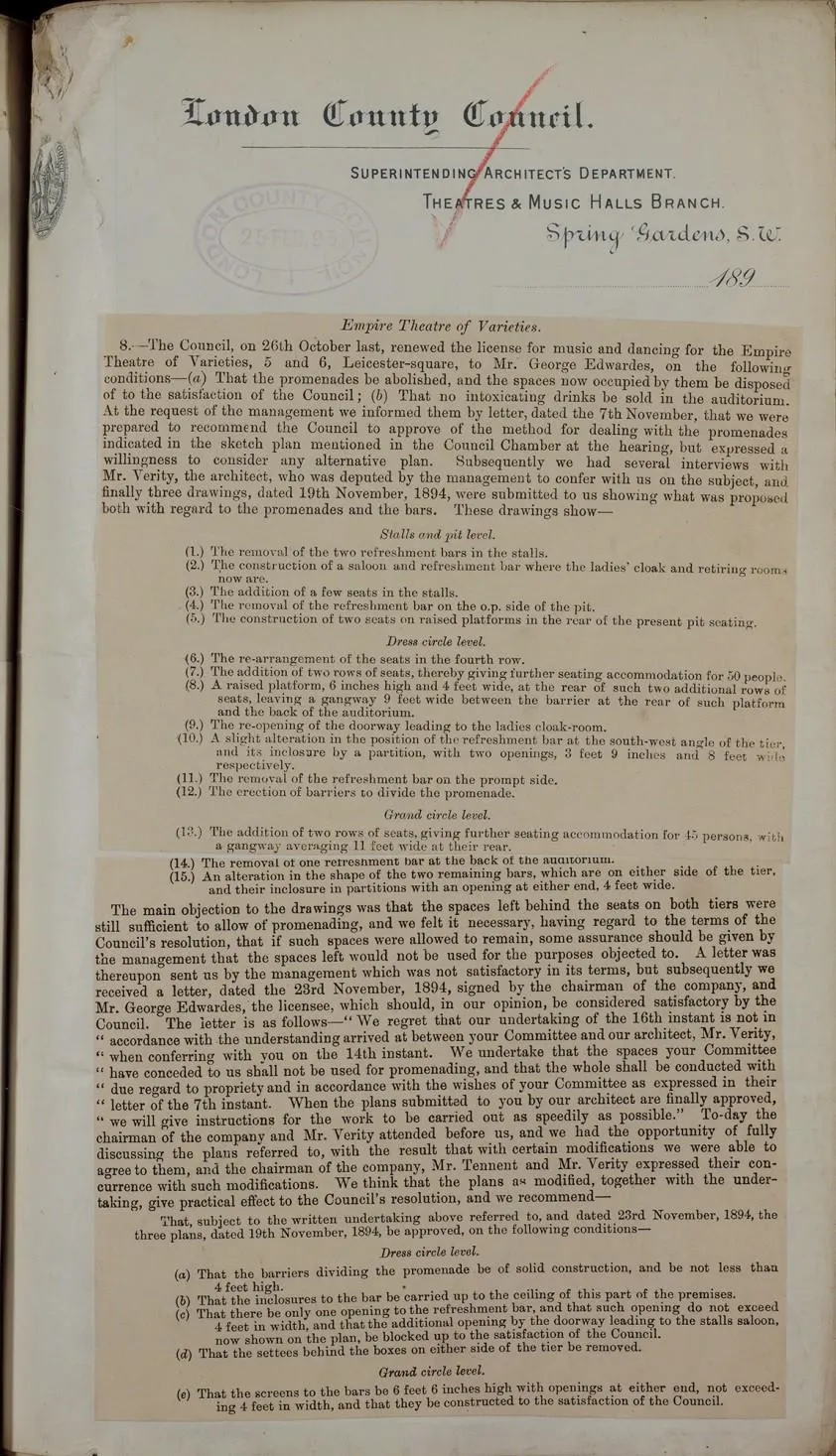
When the hall reopened, the screen became a focus of public resentment and was famously torn down by a crowd of disgruntled patrons, reportedly including the young Winston Churchill.
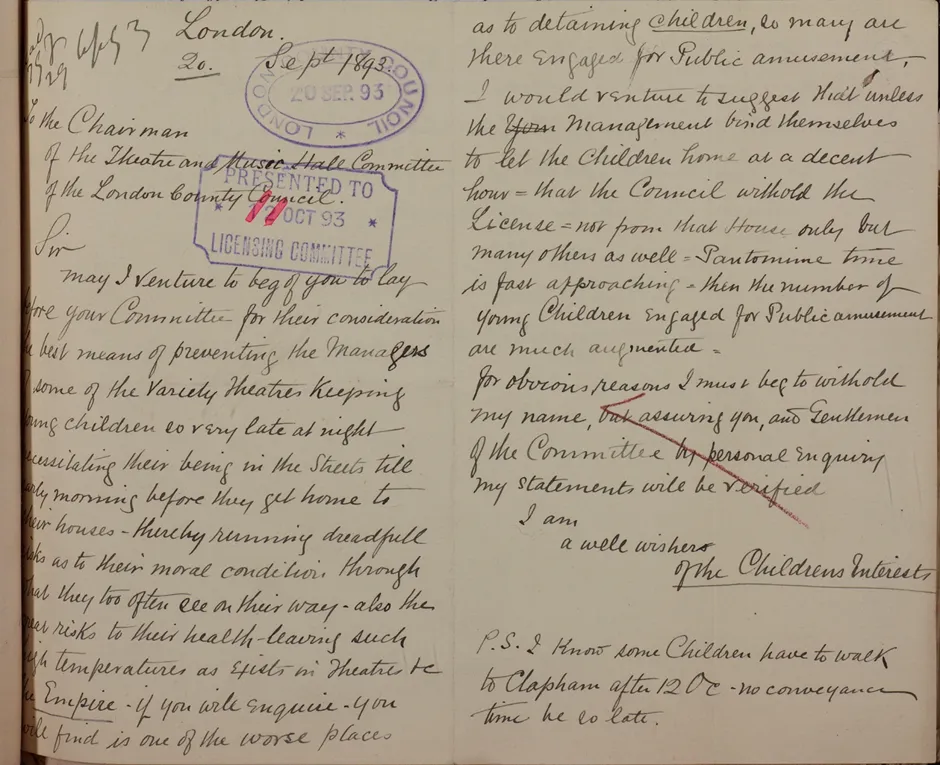
The relations between the County Councils and individual music halls were not always newsworthy, and LCC and MCC music hall licencing records often reflect a more local flavour and more circumspect commentary from Inspectors and about performers. Far from mundane however, they demonstrate just how many facets of Music Hall the Councils oversaw and regulated; with items here displayed covering issues of animal welfare, childcare, and personal preferences when it comes to matters of ‘decency’.
Despite the scandal, the Empire continued to prosper. Around 1903-04 the theatre underwent further alterations to satisfy increasingly rigorous LCC safety requirements, illustrating how councils continually shaped the development of London's entertainment venues.
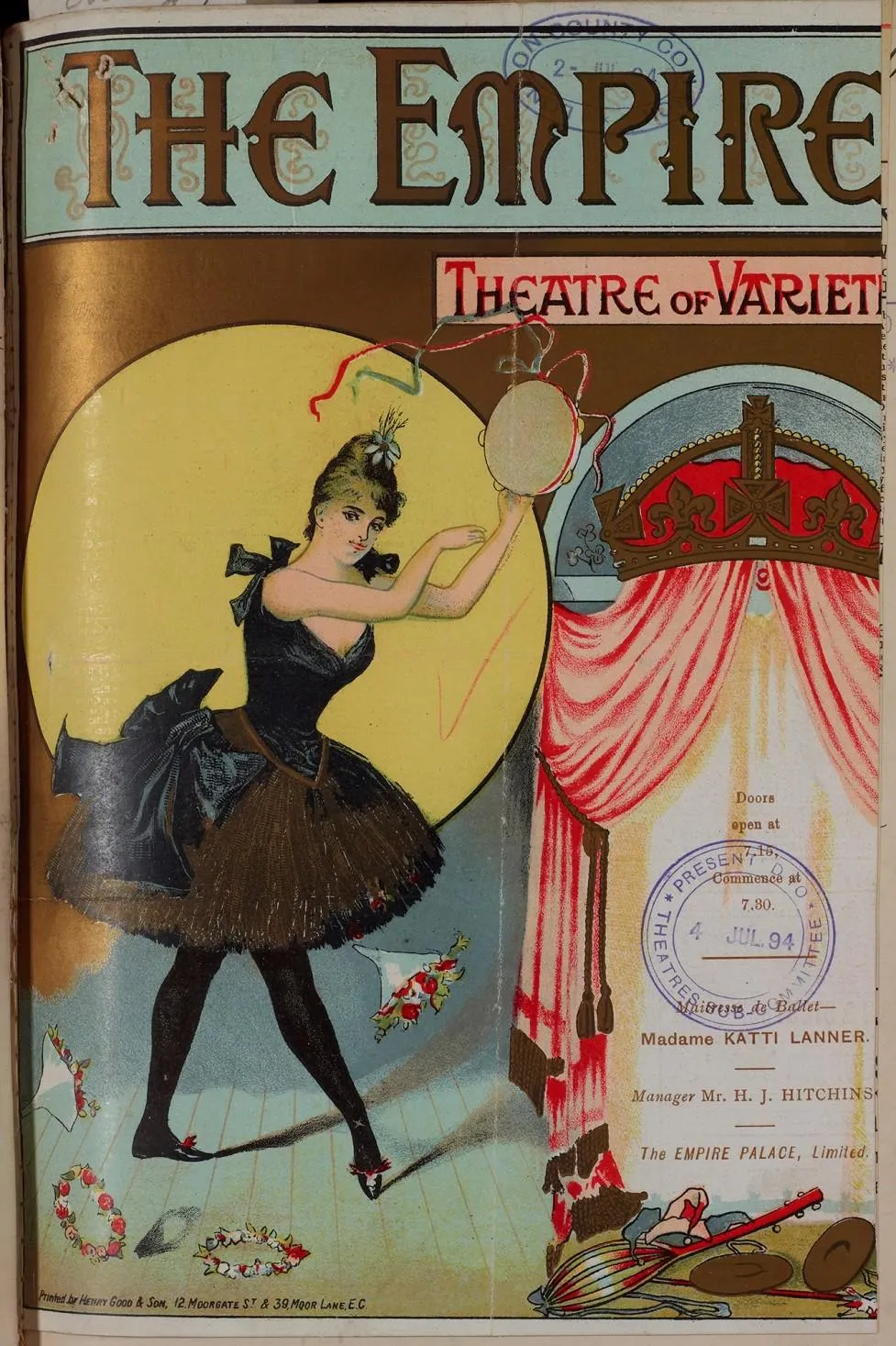
The Empire remained a major attraction until changing public tastes in the early twentieth century saw revues, musical comedy and eventually cinema replace traditional variety entertainment. The building was later converted into a picture theatre before being rebuilt as a purpose-designed cinema and ballroom, the successor of which continues to operate on the site today.
The London County Council records held here highlight the remarkable breadth of material generated through the licensing process. Far from being routine administrative documents, they reveal the personalities, controversies and everyday realities that lay behind London's thriving music hall culture.
Search the catalogue